Image Resources Our extensive research library contains thousands of summaries of journal articles, reports and news stories that can be searched by keyword and category RESOURCES CATEGORY Books Briefing paper Event recording Featured articles Featured report Game Journal articles News and resources Reports Think piece Video Working paper Workshop summary Year 2026 2025 2024 2023 2022 2021 2020 2019 2018 2017 2016 2015 2014 2013 2012 2011 2010 2009 2008 2007 2002 2001 Image Reports Food from somewhere This report by IPES-Food looks at the importance of supply chains and markets which are based on small-scale producers, processors and vendors rooted in territories and communities as components of building a resilient food system which delivers food security. It highlights the damage of the dominant corporate controlled global food supply chain and offers recommendations to support more localised territorial markets. Read Image Journal articles Alternative food networks in the European Union This article explores alternative food networks in the EU and focuses on an emerging development of organisations shifting focus from the agri-food conditions in the Global South towards the Global North. The authors use several case studies to explore if these AFNs present a unique organisational model or if they lack significant differentiation from their Global South predecessors. Read Image Journal articles Food without agriculture This paper reviews non-agricultural food production methods, or ways of producing food that don’t rely on standard land, water and energy use. It provides detailed descriptions of these methods including “air protein” or protein derived using only CO2 and H2 from the air. It also explores the ethical and logistical considerations to advance these technologies to increase resilience to global catastrophes such as sun blocking volcanic winters. Read Image Journal articles Is parity pricing enough? Parity pricing, or setting a price floor comparatively equal to an historical period of fair compensation for agricultural commodities, has been debated by scholars as a solution to continually falling farm gate prices in the US. This paper explores the validity of this claim and offers a critique that parity pricing is no silver bullet. Low farm gate prices are rooted in complex and long standing injustices and if farmers are to achieve fair living wages, multi-pronged efforts across scales of governance will be required. Read Image News and resources US banana giant ordered to pay $38m to families of Colombian men killed by death squads US banana giant, Chiquita Brands International must pay $38 million dollars to the families of eight Colombians murdered by a paramilitary death squad financed by the brand from 1997 to 2004, a court in Florida has found. It’s the first case of a US company held accountable for violations in another country and could inspire others to fight for corporate accountability. Read Image News and resources Investors tout seaweed as climate and food solution Seaweed is an overlooked, but highly versatile climate solution, says Forbes in its coverage of a new study by investors. The article highlights the numerous co-benefits of seaweed; it’s a low-carbon food crop that requires few inputs, it has the potential to replace fossil fuel-derived plastics, and, the article even touts the crop as “the largest carbon sinks in the world”, although research disputes this claim. Read Image Books Seeding Empire: American philanthrocapital and the roots of the Green Revolution in Africa In Seeding Empire, Aaron Eddens connects today's efforts to cultivate a "Green Revolution in Africa" to a history of American projects that introduced capitalist agriculture across the Global South. From the offices of Bill and Melinda Gates to the halls of the world’s largest agricultural biotech company, he shows how the Green Revolution fails to address global inequalities and insists eradicating hunger demands thinking beyond this paradigm. Read Image Books Barons: Money, Power and the Corruption of American’s Food Industry Austin Frerick, an agricultural policy fellow at Yale University, reveals the stranglehold that a handful of companies have on America’s food economy. Through seven case studies of ‘food barons’, it not only shows the reverberating consequences for our health, farmers’ livelihoods and the planet but also outlines a way forward and how a fair, healthy and prosperous food system is possible. Read Image Reports A new land dividend: opportunity of alternative proteins in Europe This report by the Green Alliance explores potential uses for land that is assumed to become available as diets shift to more plant based sources of protein. It focuses on the potential of alternative proteins from plant based foods, precision fermentation and cultivated meat to reduce the demand on land which is increasingly facing pressure from other needs. It seeks to contribute to policy recommendations on future land use. Read VIEW MORE
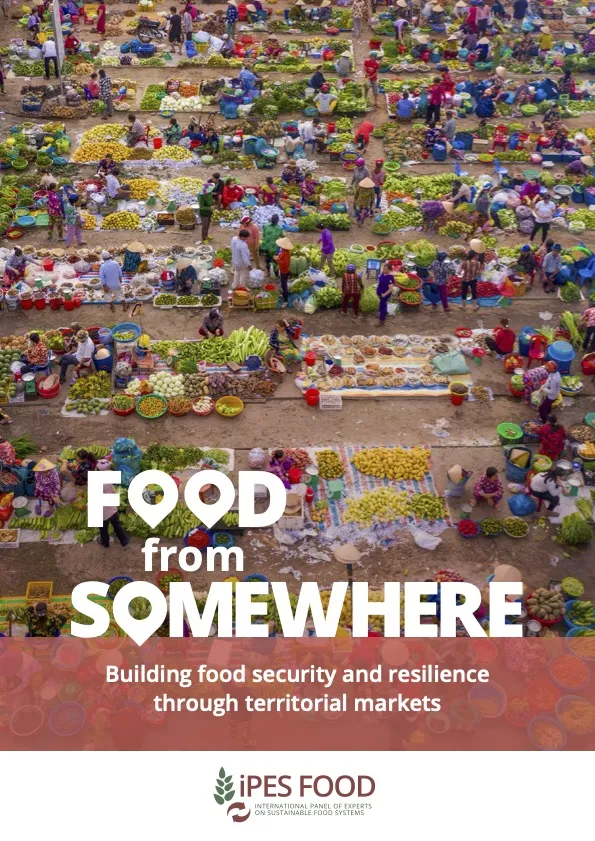
Image Reports Food from somewhere This report by IPES-Food looks at the importance of supply chains and markets which are based on small-scale producers, processors and vendors rooted in territories and communities as components of building a resilient food system which delivers food security. It highlights the damage of the dominant corporate controlled global food supply chain and offers recommendations to support more localised territorial markets. Read
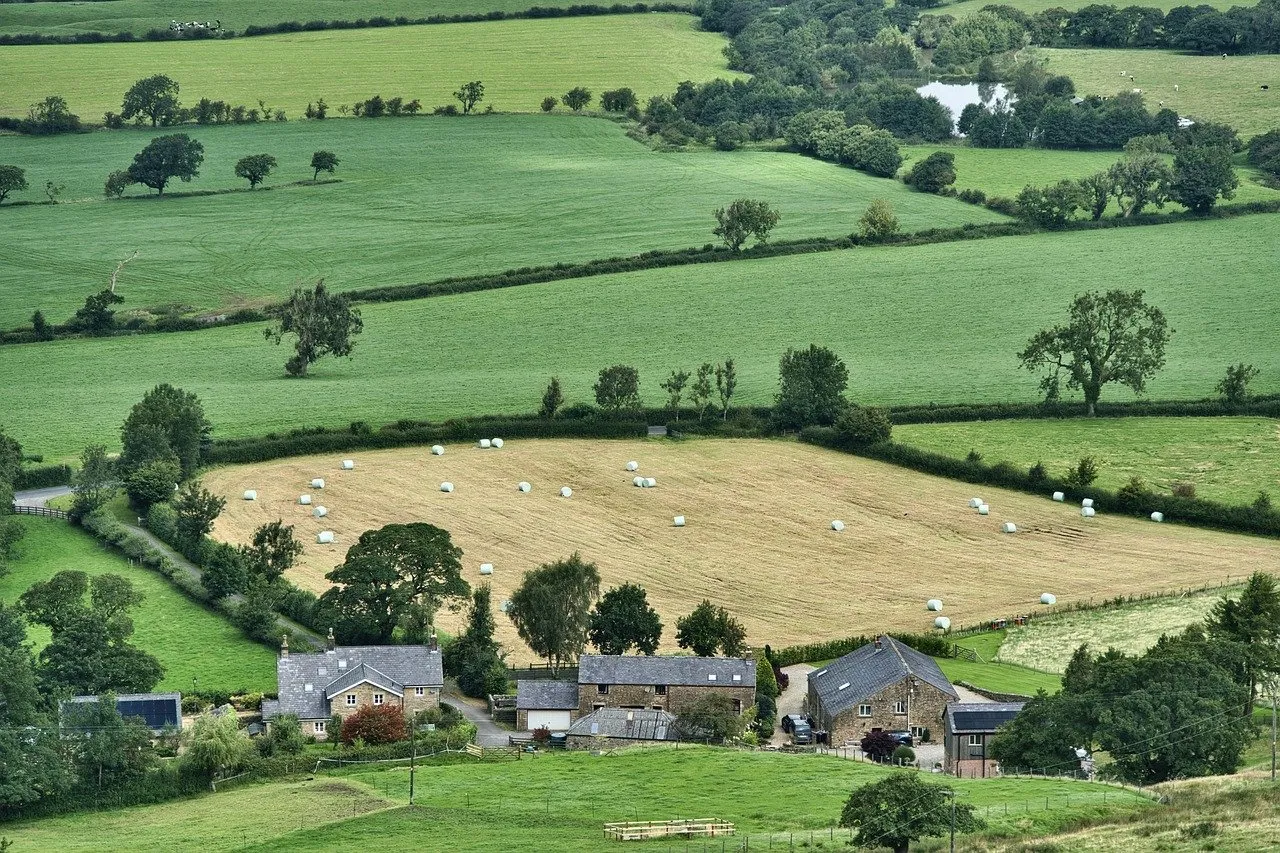
Image Journal articles Alternative food networks in the European Union This article explores alternative food networks in the EU and focuses on an emerging development of organisations shifting focus from the agri-food conditions in the Global South towards the Global North. The authors use several case studies to explore if these AFNs present a unique organisational model or if they lack significant differentiation from their Global South predecessors. Read
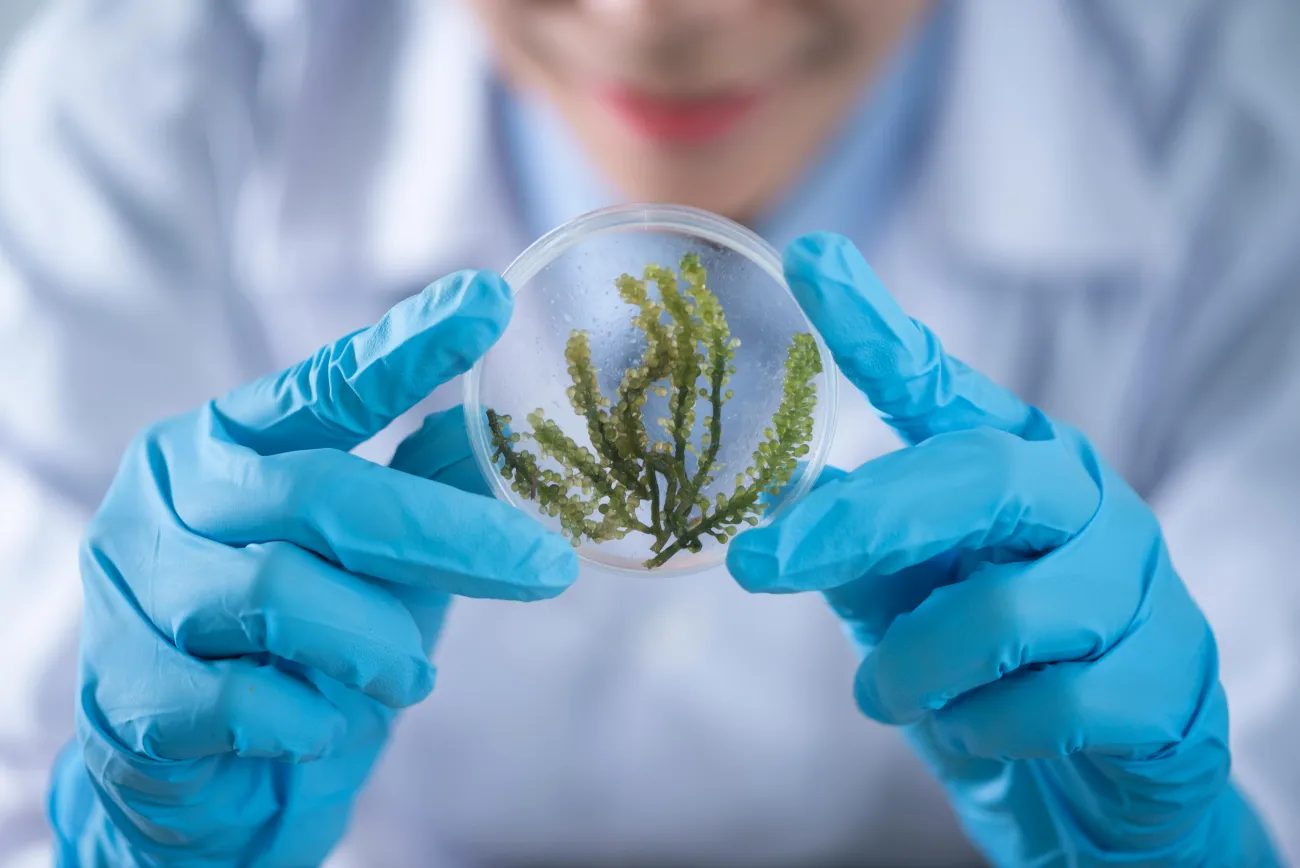
Image Journal articles Food without agriculture This paper reviews non-agricultural food production methods, or ways of producing food that don’t rely on standard land, water and energy use. It provides detailed descriptions of these methods including “air protein” or protein derived using only CO2 and H2 from the air. It also explores the ethical and logistical considerations to advance these technologies to increase resilience to global catastrophes such as sun blocking volcanic winters. Read
Image Journal articles Is parity pricing enough? Parity pricing, or setting a price floor comparatively equal to an historical period of fair compensation for agricultural commodities, has been debated by scholars as a solution to continually falling farm gate prices in the US. This paper explores the validity of this claim and offers a critique that parity pricing is no silver bullet. Low farm gate prices are rooted in complex and long standing injustices and if farmers are to achieve fair living wages, multi-pronged efforts across scales of governance will be required. Read
Image News and resources US banana giant ordered to pay $38m to families of Colombian men killed by death squads US banana giant, Chiquita Brands International must pay $38 million dollars to the families of eight Colombians murdered by a paramilitary death squad financed by the brand from 1997 to 2004, a court in Florida has found. It’s the first case of a US company held accountable for violations in another country and could inspire others to fight for corporate accountability. Read
Image News and resources Investors tout seaweed as climate and food solution Seaweed is an overlooked, but highly versatile climate solution, says Forbes in its coverage of a new study by investors. The article highlights the numerous co-benefits of seaweed; it’s a low-carbon food crop that requires few inputs, it has the potential to replace fossil fuel-derived plastics, and, the article even touts the crop as “the largest carbon sinks in the world”, although research disputes this claim. Read
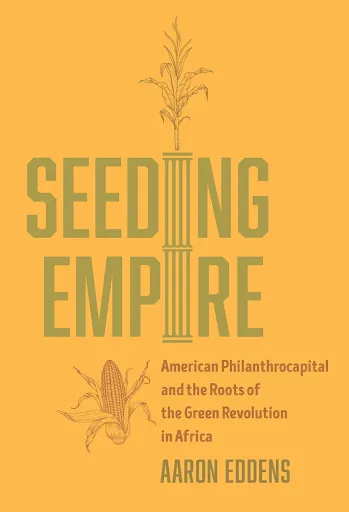
Image Books Seeding Empire: American philanthrocapital and the roots of the Green Revolution in Africa In Seeding Empire, Aaron Eddens connects today's efforts to cultivate a "Green Revolution in Africa" to a history of American projects that introduced capitalist agriculture across the Global South. From the offices of Bill and Melinda Gates to the halls of the world’s largest agricultural biotech company, he shows how the Green Revolution fails to address global inequalities and insists eradicating hunger demands thinking beyond this paradigm. Read
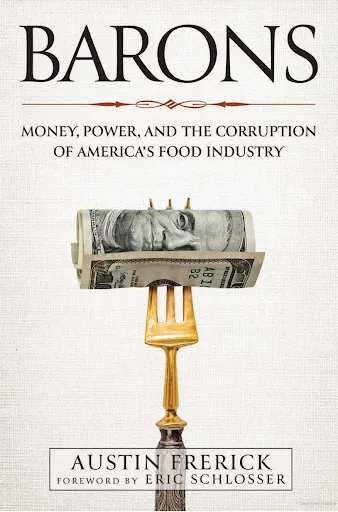
Image Books Barons: Money, Power and the Corruption of American’s Food Industry Austin Frerick, an agricultural policy fellow at Yale University, reveals the stranglehold that a handful of companies have on America’s food economy. Through seven case studies of ‘food barons’, it not only shows the reverberating consequences for our health, farmers’ livelihoods and the planet but also outlines a way forward and how a fair, healthy and prosperous food system is possible. Read
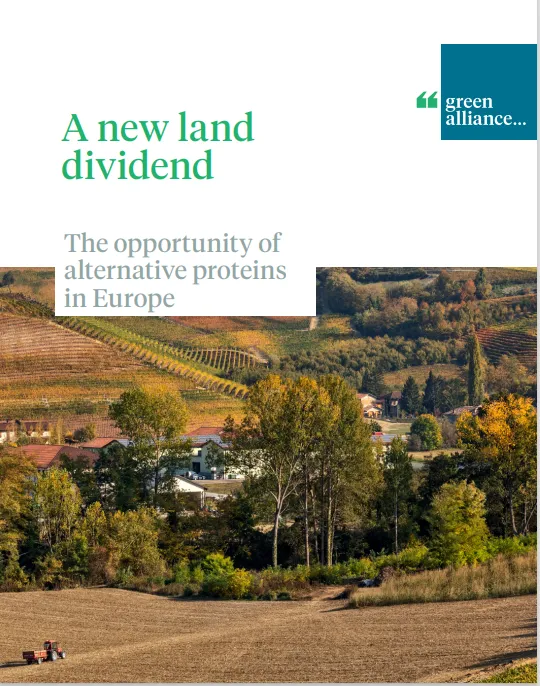
Image Reports A new land dividend: opportunity of alternative proteins in Europe This report by the Green Alliance explores potential uses for land that is assumed to become available as diets shift to more plant based sources of protein. It focuses on the potential of alternative proteins from plant based foods, precision fermentation and cultivated meat to reduce the demand on land which is increasingly facing pressure from other needs. It seeks to contribute to policy recommendations on future land use. Read