Image Resources Our extensive research library contains thousands of summaries of journal articles, reports and news stories that can be searched by keyword and category RESOURCES CATEGORYBooksBriefing paperEvent recordingFeatured articlesFeatured reportGameJournal articlesNews and resourcesReportsThink pieceVideoWorking paperWorkshop summary Year2026202520242023202220212020201920182017201620152014201320122011201020092008200720022001 Image Books Real Food, Real Facts Charlotte Biltekoff explores the role that science and scientific authority play in food industry responses to consumer concerns about what we eat and how it is made. Biltekoff argues industry efforts to correct public misperceptions through science-based education have consistently misunderstood the public's concerns, which she argues are an expression of politics. Read Image Books The Real Cost of Cheap Food Author Michael Carolan argues that cheap food is in fact exceedingly expensive. He asks whether we can afford cheap food by exploring what exactly cheap food affords us. He explores the breadth and depth of externalities produced by the global food system and argues for a more contextual view of food when debating its affordability. Read Image Reports Rethinking plant-based meat alternatives This report by the Food Foundation argues that the health implications of shifting diets towards plant-based diets is nuanced in high income countries, depending on the substitution.It puts forward a categorisation of plant based foods looking at nutrition, environmental and price indicators to assess how categories and individual products compare to meat. Read Image Reports How agriculture’s big five thrive in a food crisis This report by the Green European Journal argues concentration in the agricultural commodity market has allowed a handful of companies to maximise profits during a global food crisis. It suggests European regulators should step up their efforts to rein in harmful market dominance. Read Image Reports How climate change impacts nutrition security in low and middle income countries This report commissioned by Farm Journal Foundation explores how climate change is affecting nutrition in low and middle income countries, where citizens tend to have a lower capacity to adapt. It outlines 9 suggestions for the US government to support global nutrition security. Read Image Journal articles An exploration of biodiversity limits to grazing ruminant milk and meat production The paper explores to what extent ruminant farming can enhance and preserve biodiversity, and calculates what would be an equivalent level of consumption. It found that with biodiverse-friendly grazing production, an average person could consume 2.2kg of milk per year and 0.8 kg of red meat. Read Image Journal articles A qualitative analysis of policy narratives in the public consultation on the European Commission’s Farm to Fork Strategy The paper performs a content analysis of 164 public responses to the consultation of the European Commission’s Farm-to-Fork Strategy and finds 12 distinct narratives, mostly focusing on agricultural production. Ten of them showed clear connections to three established agricultural policy discourses linking them to key stakeholders; farmer’s associations, NGO’s and industry representatives. Read Image Journal articles Prospective life cycle assessment of climate and biodiversity impacts of meat-based and plant-forward meals This paper finds that plant-forward meals in Germany and Indonesia have a lower climate and biodiversity footprint than typical meat-based meals. The paper argues that this highlights the importance of supply and demand side interventions to produce lower-impact ingredients and reshape consumption. Read Image Think piece Beyond a binary land use debate in Tom Heap's new book TABLE interviews Tom Heap about his new book Land Smart in which he explores many difficult tensions and trade-offs in land use, from biofuels versus solar panels and regenerative farming to biotechnology, and tiptoes into the emotionally-laden debate of dietary change – revealing his penchant for pragmatism. Read VIEW MORE
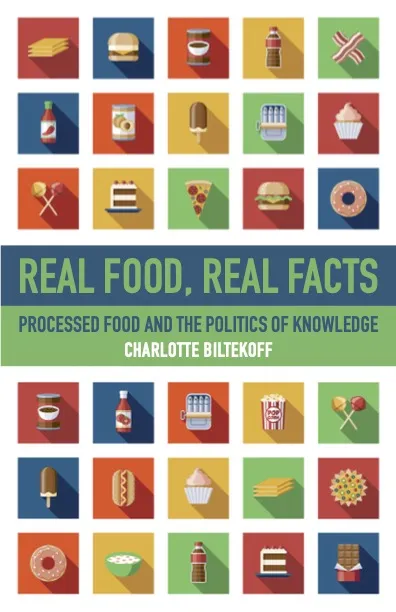
Image Books Real Food, Real Facts Charlotte Biltekoff explores the role that science and scientific authority play in food industry responses to consumer concerns about what we eat and how it is made. Biltekoff argues industry efforts to correct public misperceptions through science-based education have consistently misunderstood the public's concerns, which she argues are an expression of politics. Read
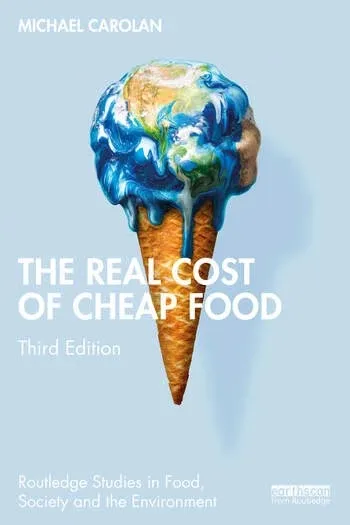
Image Books The Real Cost of Cheap Food Author Michael Carolan argues that cheap food is in fact exceedingly expensive. He asks whether we can afford cheap food by exploring what exactly cheap food affords us. He explores the breadth and depth of externalities produced by the global food system and argues for a more contextual view of food when debating its affordability. Read
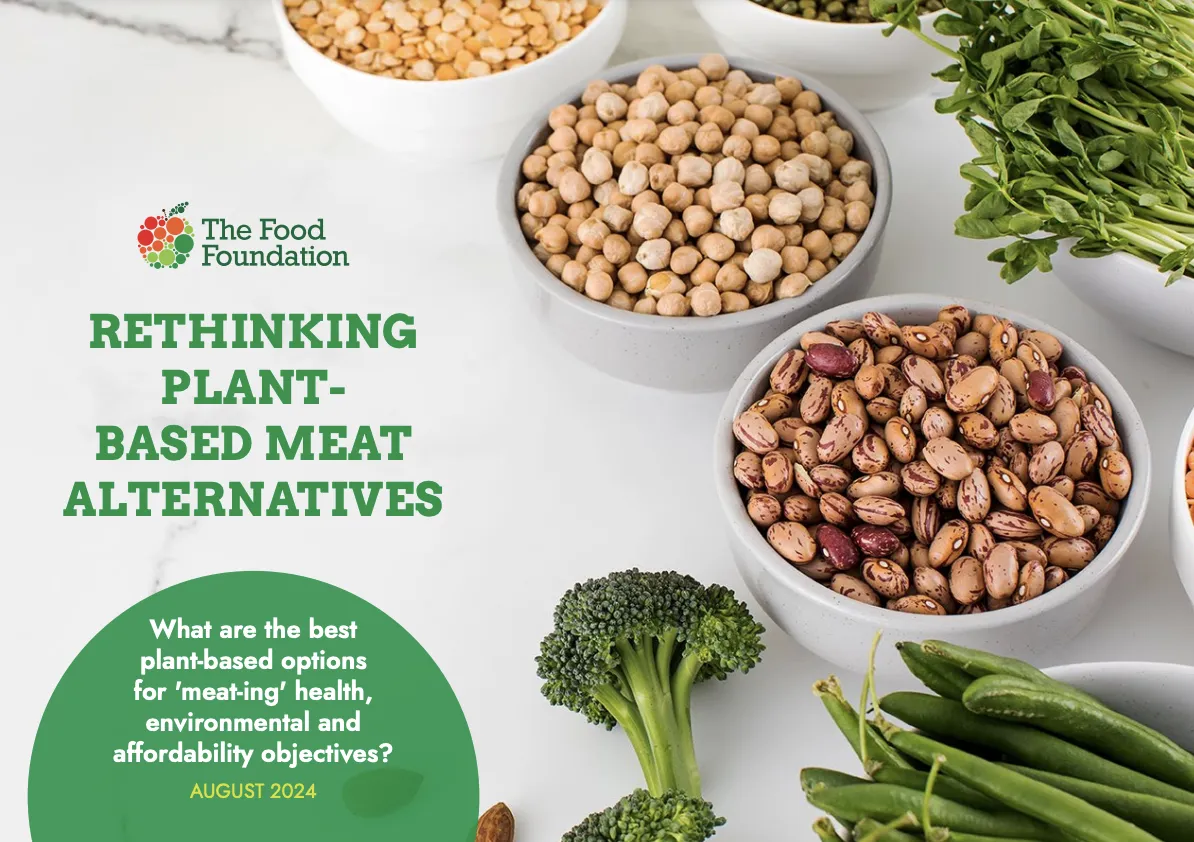
Image Reports Rethinking plant-based meat alternatives This report by the Food Foundation argues that the health implications of shifting diets towards plant-based diets is nuanced in high income countries, depending on the substitution.It puts forward a categorisation of plant based foods looking at nutrition, environmental and price indicators to assess how categories and individual products compare to meat. Read
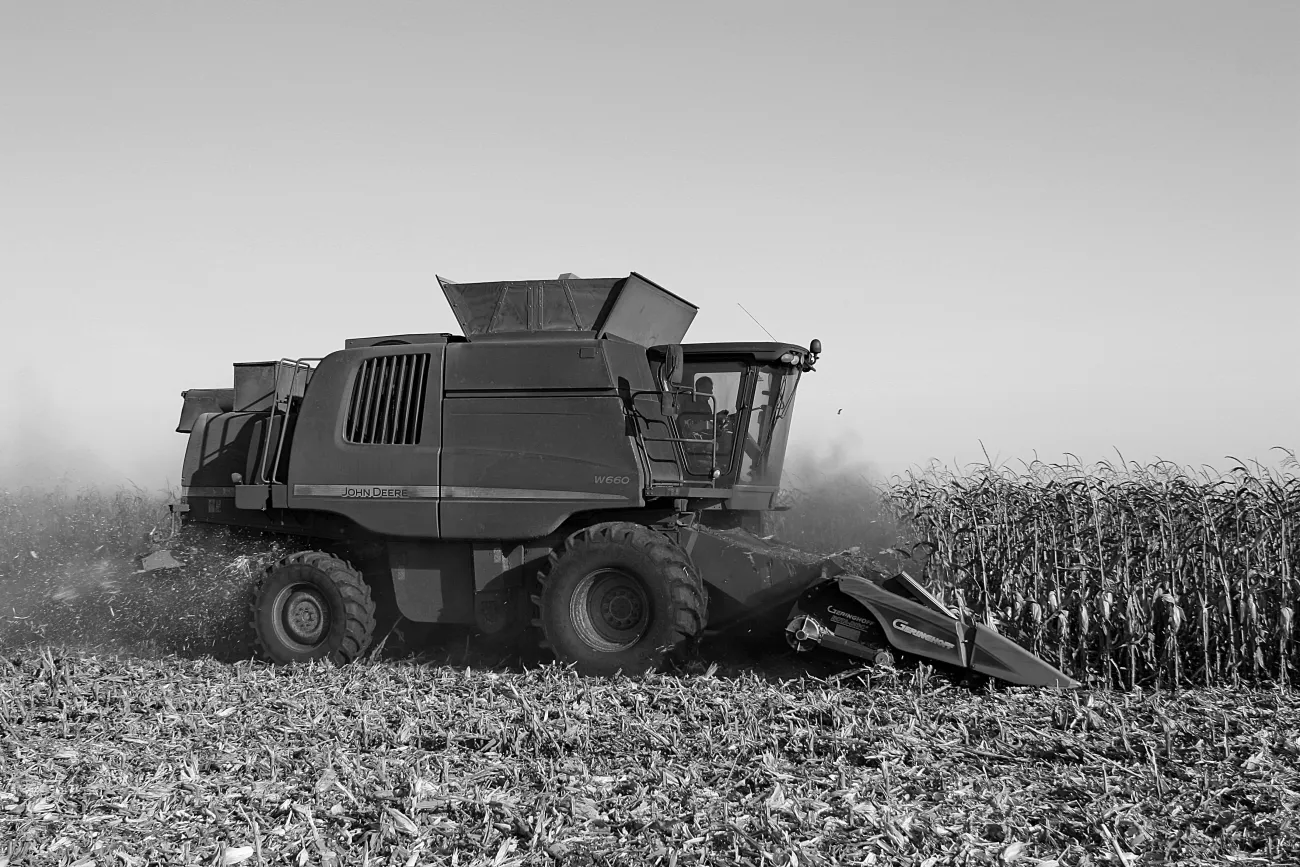
Image Reports How agriculture’s big five thrive in a food crisis This report by the Green European Journal argues concentration in the agricultural commodity market has allowed a handful of companies to maximise profits during a global food crisis. It suggests European regulators should step up their efforts to rein in harmful market dominance. Read
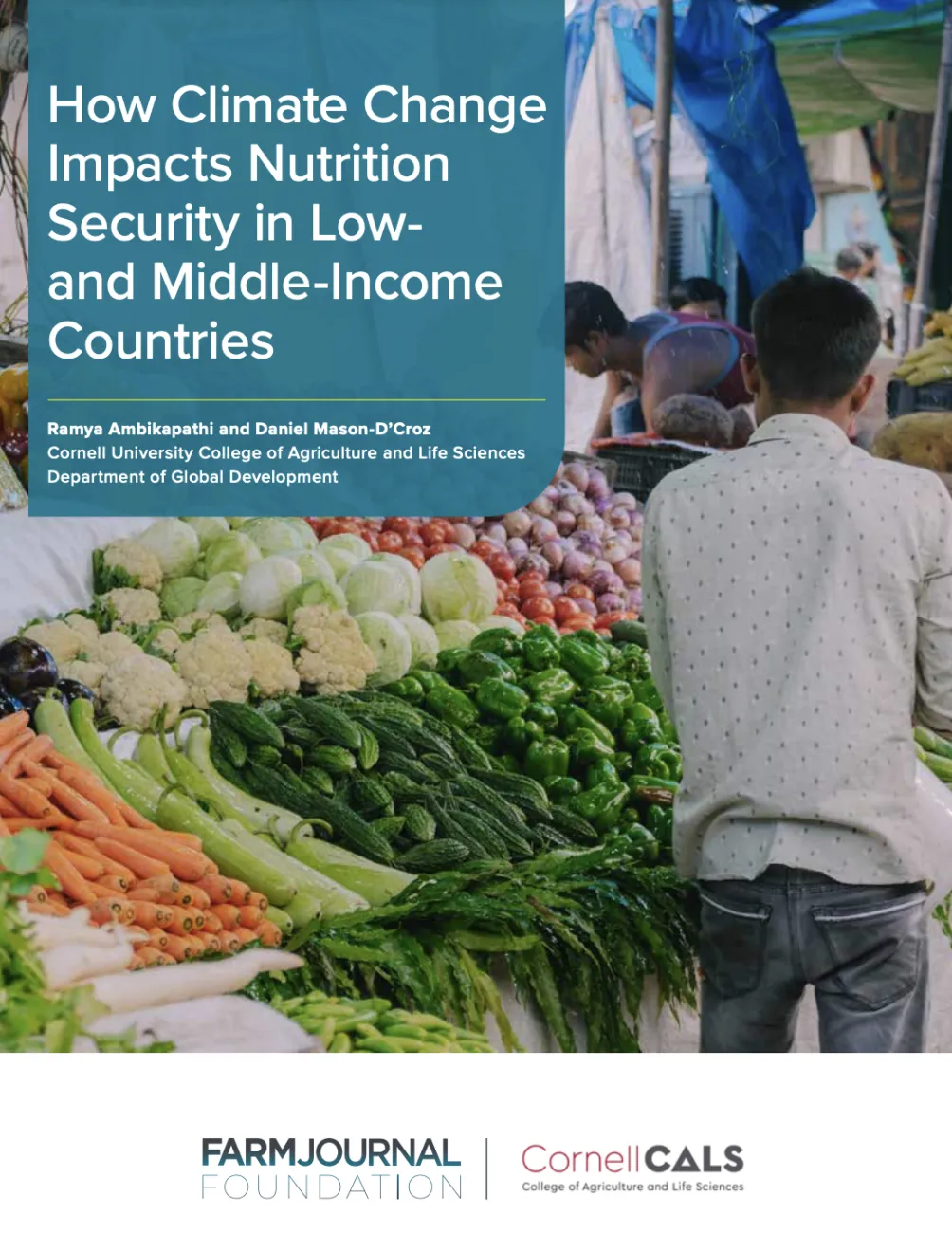
Image Reports How climate change impacts nutrition security in low and middle income countries This report commissioned by Farm Journal Foundation explores how climate change is affecting nutrition in low and middle income countries, where citizens tend to have a lower capacity to adapt. It outlines 9 suggestions for the US government to support global nutrition security. Read
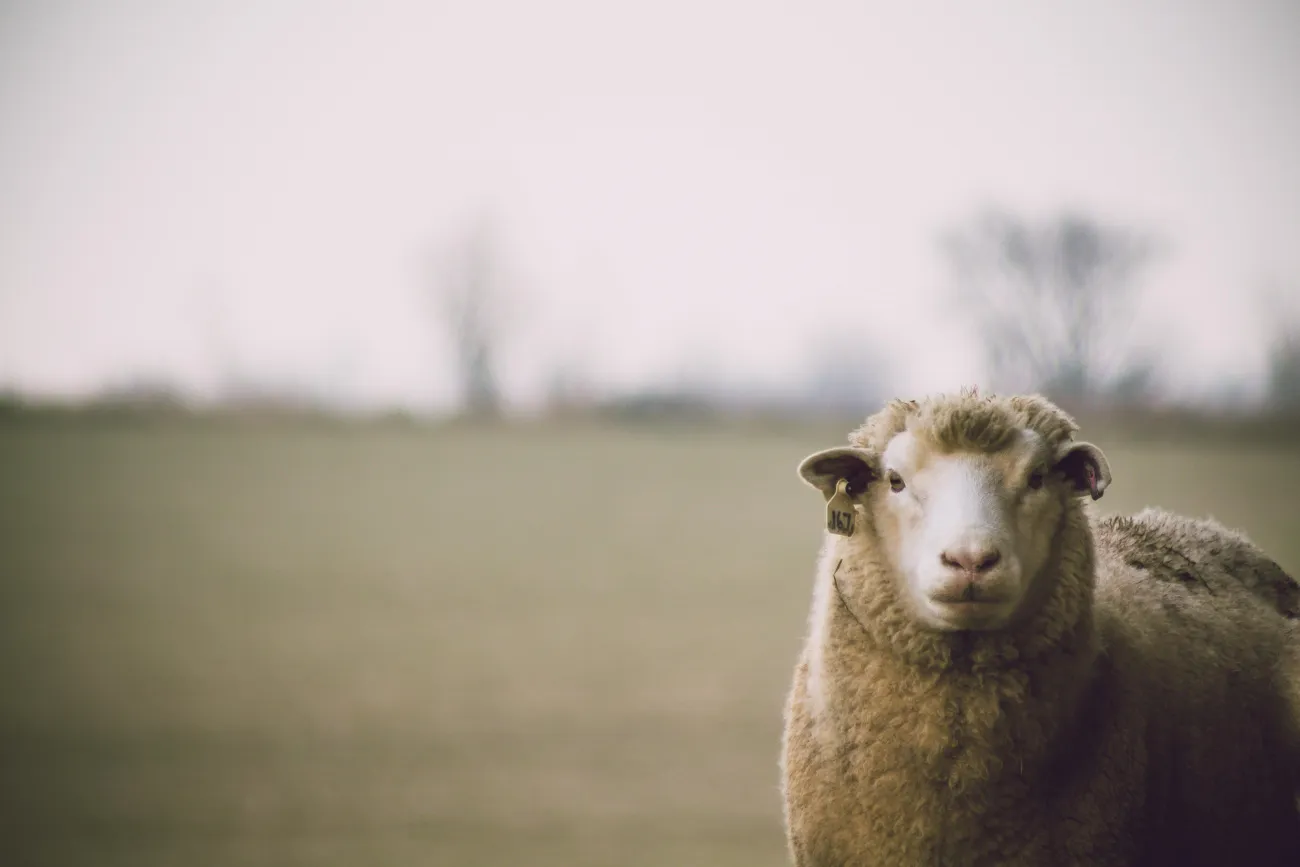
Image Journal articles An exploration of biodiversity limits to grazing ruminant milk and meat production The paper explores to what extent ruminant farming can enhance and preserve biodiversity, and calculates what would be an equivalent level of consumption. It found that with biodiverse-friendly grazing production, an average person could consume 2.2kg of milk per year and 0.8 kg of red meat. Read
Image Journal articles A qualitative analysis of policy narratives in the public consultation on the European Commission’s Farm to Fork Strategy The paper performs a content analysis of 164 public responses to the consultation of the European Commission’s Farm-to-Fork Strategy and finds 12 distinct narratives, mostly focusing on agricultural production. Ten of them showed clear connections to three established agricultural policy discourses linking them to key stakeholders; farmer’s associations, NGO’s and industry representatives. Read
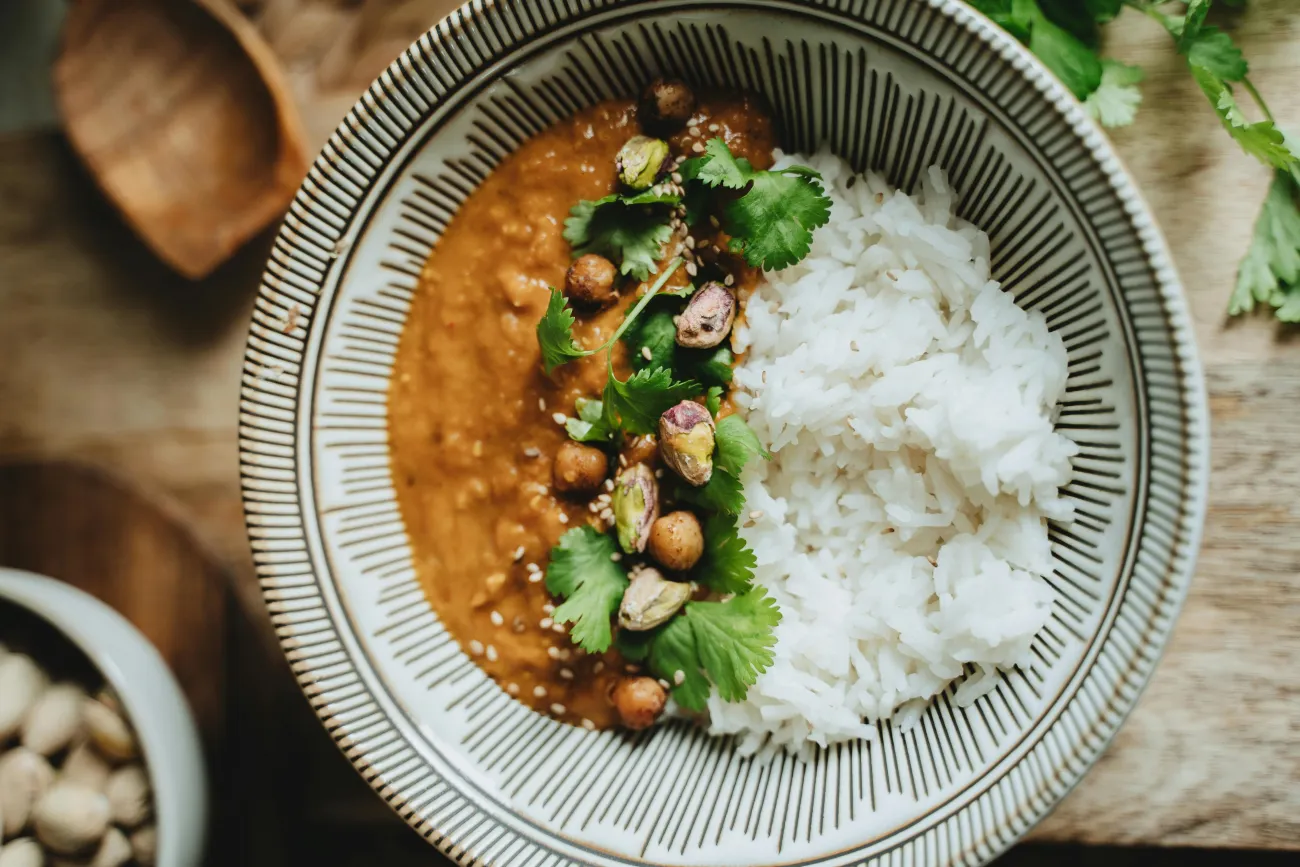
Image Journal articles Prospective life cycle assessment of climate and biodiversity impacts of meat-based and plant-forward meals This paper finds that plant-forward meals in Germany and Indonesia have a lower climate and biodiversity footprint than typical meat-based meals. The paper argues that this highlights the importance of supply and demand side interventions to produce lower-impact ingredients and reshape consumption. Read
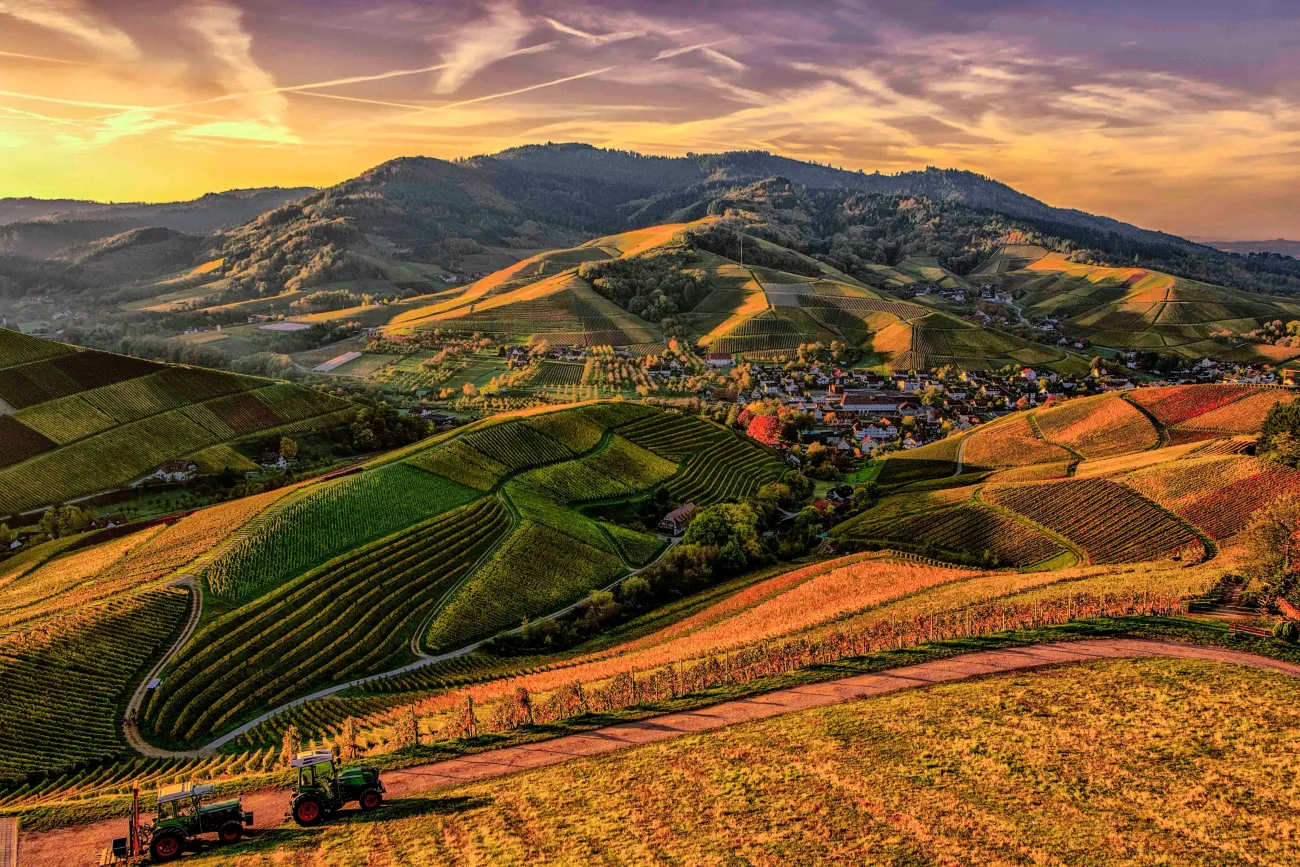
Image Think piece Beyond a binary land use debate in Tom Heap's new book TABLE interviews Tom Heap about his new book Land Smart in which he explores many difficult tensions and trade-offs in land use, from biofuels versus solar panels and regenerative farming to biotechnology, and tiptoes into the emotionally-laden debate of dietary change – revealing his penchant for pragmatism. Read