Image Resources Our extensive research library contains thousands of summaries of journal articles, reports and news stories that can be searched by keyword and category RESOURCES CATEGORY Books Briefing paper Event recording Featured articles Featured report Game Journal articles News and resources Reports Think piece Video Working paper Workshop summary Year 2026 2025 2024 2023 2022 2021 2020 2019 2018 2017 2016 2015 2014 2013 2012 2011 2010 2009 2008 2007 2002 2001 Image Journal articles Effective fisheries management improves fish stock status This paper reviews abundance and catch levels in around half of global fisheries (those for which information is available). It finds that, on average, fish stocks are increasing in these regions. Fisheries that are managed intensively tend to have more fish than those that are not. Management intensity is defined by a “fishery management index”, and refers to whether levels of fishing are kept below a certain target for each fishery. Read Image Journal articles Healthy and climate-friendly diets in New Zealand This paper by FCRN member Jono Drew investigates whether healthy and climate-friendly diets might vary from global recommendations in the context of New Zealand (using food carbon footprints specific to New Zealand, where possible). It finds that shifting diets towards whole plant foods (such as vegetables, fruits, legumes, and whole grains) and away from red and processed meat would have large health and climate benefits, consistent with recent global recommendations. Read Image Featured articles Food system U-turn could feed ten billion people This paper finds that over ten billion people could be fed within the constraints of four planetary boundaries (biosphere integrity, land-system change, freshwater use, and nitrogen flows), if the food system undergoes a “technological-cultural U-turn”. Read Image News and resources The environmental potential of free trade This article by Caroline Grunewald and Dan Blaustein-Rejto, both of of the US Breakthrough Institute think-tank, argues that the environmental movement fails to appreciate the environmental benefits that can result from free trade, by enabling producer countries with lower environmental impacts per unit of food to displace products from countries with higher environmental impacts. Read Image News and resources Making virtual conferences more sociable Online conferences have the advantage of reducing carbon emissions from travel, particularly air travel, but they can be less convenient when it comes to networking and developing personal connections. The November meeting of the European Biological Rhythms Society tried to fix this by inviting psychologists to develop remote ways of encouraging networking. Read Image News and resources Post-Brexit agriculture policy focuses on soil, food security A new agriculture bill has been brought to the UK parliament, setting out food and farming policies for after the UK leaves the European Union’s Common Agricultural Policy. It includes support to help farmers preserve soil, a plan to regularly review food security in the UK, and paying farmers for purposes such as flood protection, climate mitigation or public access to the countryside. Read Image Books Improving rumen function This book reviews different feed strategies for improving ruminant digestion and their effects on methane emissions, animal health and meat and milk quality. Read Image Books Agrochemicals detection, treatment and remediation This book gives details of methods for detecting and dealing with various agrochemicals, including herbicides, insecticides, fungicides and soil fumigants. Read Image Reports Agriculture critical to achieving a Net Zero Scotland This progress report to the Scottish Parliament from the UK’s Committee on Climate Change shows that, while Scotland’s overall greenhouse gas emissions fell by 3% in 2017, the Scottish Parliament's 2030 target to reduce emissions by 75% will be extremely challenging to meet. Read VIEW MORE
Image Journal articles Effective fisheries management improves fish stock status This paper reviews abundance and catch levels in around half of global fisheries (those for which information is available). It finds that, on average, fish stocks are increasing in these regions. Fisheries that are managed intensively tend to have more fish than those that are not. Management intensity is defined by a “fishery management index”, and refers to whether levels of fishing are kept below a certain target for each fishery. Read
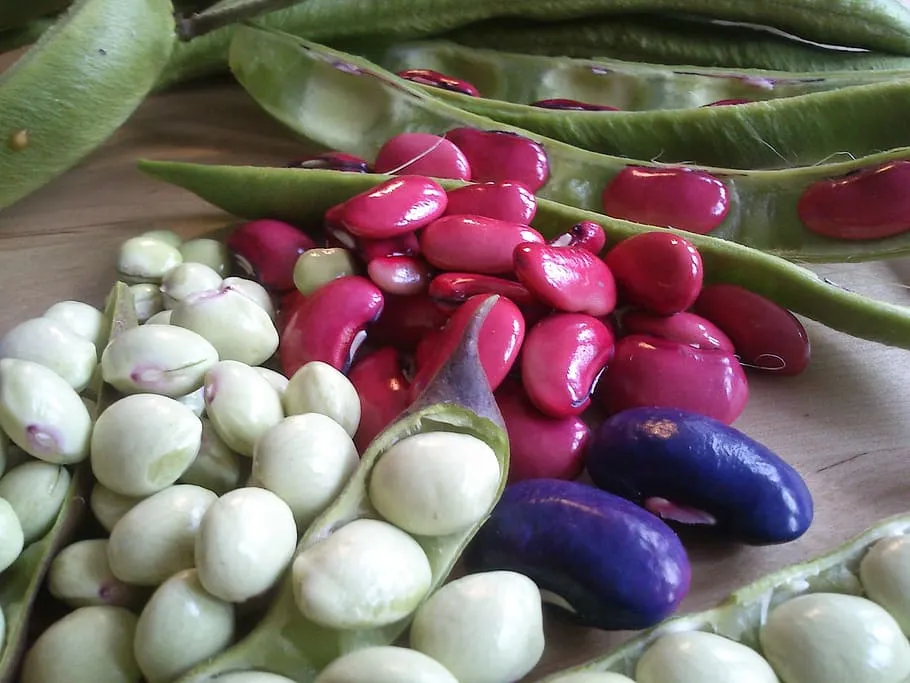
Image Journal articles Healthy and climate-friendly diets in New Zealand This paper by FCRN member Jono Drew investigates whether healthy and climate-friendly diets might vary from global recommendations in the context of New Zealand (using food carbon footprints specific to New Zealand, where possible). It finds that shifting diets towards whole plant foods (such as vegetables, fruits, legumes, and whole grains) and away from red and processed meat would have large health and climate benefits, consistent with recent global recommendations. Read
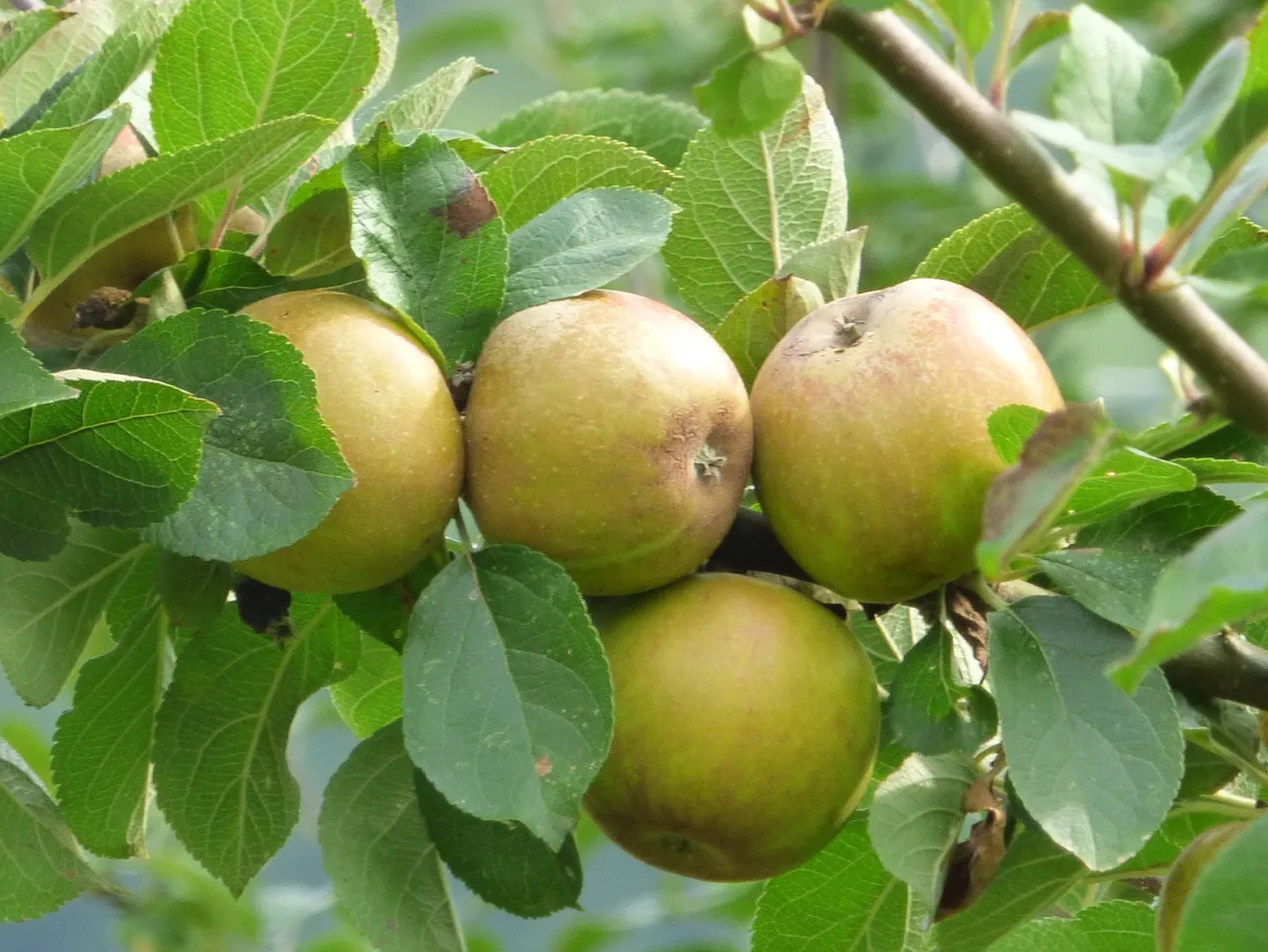
Image Featured articles Food system U-turn could feed ten billion people This paper finds that over ten billion people could be fed within the constraints of four planetary boundaries (biosphere integrity, land-system change, freshwater use, and nitrogen flows), if the food system undergoes a “technological-cultural U-turn”. Read
Image News and resources The environmental potential of free trade This article by Caroline Grunewald and Dan Blaustein-Rejto, both of of the US Breakthrough Institute think-tank, argues that the environmental movement fails to appreciate the environmental benefits that can result from free trade, by enabling producer countries with lower environmental impacts per unit of food to displace products from countries with higher environmental impacts. Read
Image News and resources Making virtual conferences more sociable Online conferences have the advantage of reducing carbon emissions from travel, particularly air travel, but they can be less convenient when it comes to networking and developing personal connections. The November meeting of the European Biological Rhythms Society tried to fix this by inviting psychologists to develop remote ways of encouraging networking. Read
Image News and resources Post-Brexit agriculture policy focuses on soil, food security A new agriculture bill has been brought to the UK parliament, setting out food and farming policies for after the UK leaves the European Union’s Common Agricultural Policy. It includes support to help farmers preserve soil, a plan to regularly review food security in the UK, and paying farmers for purposes such as flood protection, climate mitigation or public access to the countryside. Read
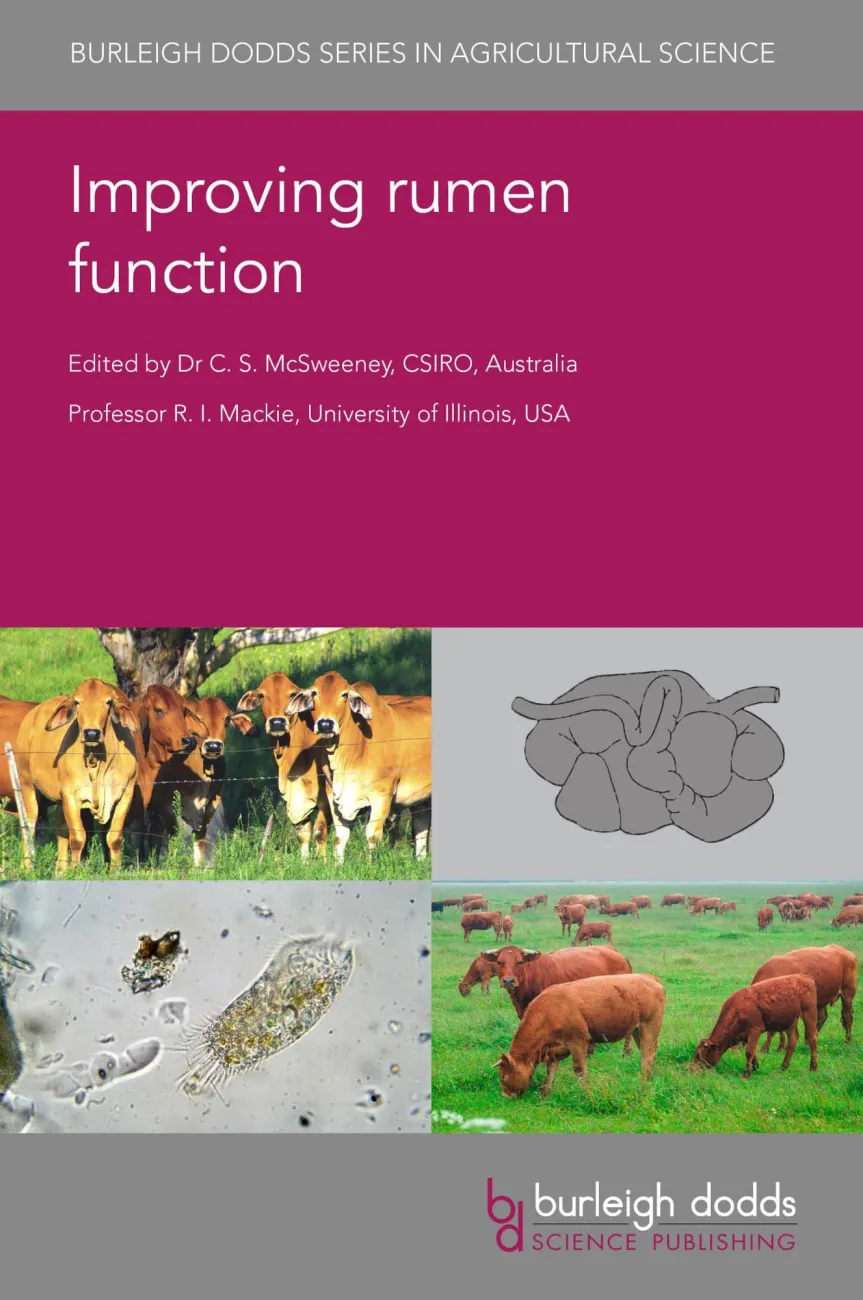
Image Books Improving rumen function This book reviews different feed strategies for improving ruminant digestion and their effects on methane emissions, animal health and meat and milk quality. Read
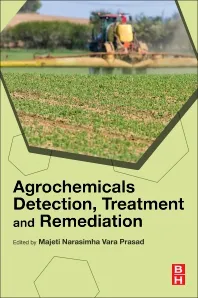
Image Books Agrochemicals detection, treatment and remediation This book gives details of methods for detecting and dealing with various agrochemicals, including herbicides, insecticides, fungicides and soil fumigants. Read
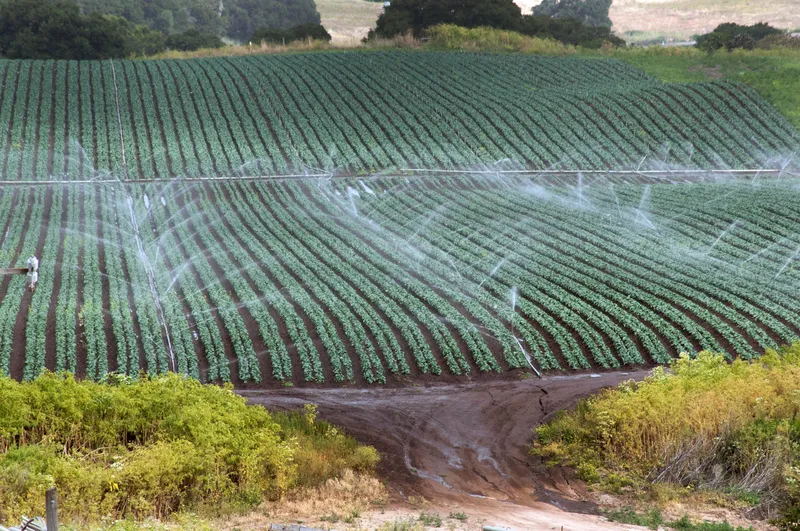
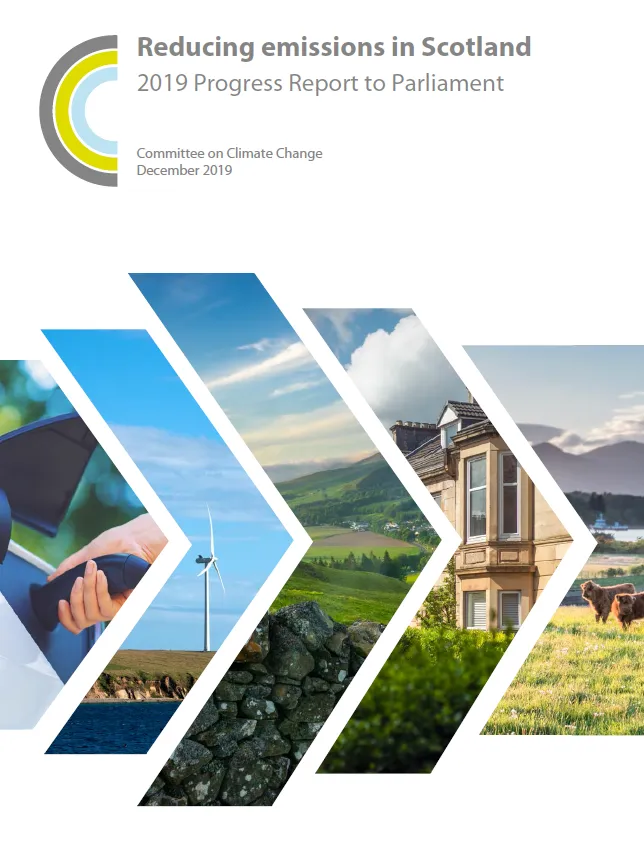
Image Reports Agriculture critical to achieving a Net Zero Scotland This progress report to the Scottish Parliament from the UK’s Committee on Climate Change shows that, while Scotland’s overall greenhouse gas emissions fell by 3% in 2017, the Scottish Parliament's 2030 target to reduce emissions by 75% will be extremely challenging to meet. Read