Image Resources Our extensive research library contains thousands of summaries of journal articles, reports and news stories that can be searched by keyword and category RESOURCES CATEGORY Books Briefing paper Event recording Featured articles Featured report Game Journal articles News and resources Reports Think piece Video Working paper Workshop summary Year 2026 2025 2024 2023 2022 2021 2020 2019 2018 2017 2016 2015 2014 2013 2012 2011 2010 2009 2008 2007 2002 2001 Image Journal articles Exploring animal production futures in the Nordics through efficiency, sufficiency, and consistency: towards integrated sustainability and resilience Prevailing strategies for more sustainable animal production are mainly aiming at increasing the efficiency of production processes. Meanwhile, others are criticising the consumption of animal-derived foods, and concepts of efficiency and sufficiency. It argues that to successfully reorient animal agriculture towards a sustainable and resilient future, efficiency, sufficiency, and consistency strategies should be considered as mutually complementary. Read Image Journal articles Reframing food processing through food matrix science, formulation, human biology, and sustainable food systems This study indicates that biological responses to processed foods cannot be explained by processing intensity alone but emerge from interactions among matrix architecture, formulation, processing conditions and host biology. Read Image News and resources War and watermelons In Dubai, Trade Continues on the Front Lines of the Iran War. The flow of food from the Islamic Republic to the restaurants of the Gulf shows the difficulties involved in severing economic ties. Read Image News and resources Five moves forward for food systems Stephanie Walton, researcher at the Oxford Sustainable Finance Group, writes in her blog, the Food Ledger, about the five things to keep things moving forward on food systems to not grow despondent or stagnant. So as to remain clear-eyed about challenges but don't succumb to a victim complex or ennui. Read Image Reports Food, Land, and Money This report by Friends of the Earth follows the money to reveal who benefits most and why so much investment continues to support a model that is harming people and the planet. It also looks at what could happen if more resources were directed to those who already nourish much of the world. Read Image Reports Agribusiness Atlas 2026 The Agribusiness Atlas 2026 sheds light on the market power of large corporations, from seeds to supermarkets, and shows how politicians and citizens can limit this power – for an environmentally friendly, socially just and sustainable diet. Read Image Journal articles Food environments as everyday governance: Youth-vendor practices in Addis Ababa and Butajira, Ethiopia Food environments are central to debates on food systems transformation but are often conceptualized as contextual determinants of individual choice. This study reconceptualizes food environments as dynamic, relational configurations co-produced through everyday interactions, focusing on youth consumption and food vendors’ selling practices in Addis Ababa and Butajira, Ethiopia. Read Image Journal articles Large nutritional and environmental improvements can be achieved across the product portfolios of major UK food and beverage manufacturers This study finds considerable variation in terms of nutritional quality and environmental impacts across manufacturers operating within the same food retail category and within existing F&B product portfolios. For some of the F&B manufacturers assessed, changes to 10% or less of their product line could deliver more than half of the potential gains in nutritional quality or sustainability. Read Image News and resources Moldy Peanuts Can Be Deadly. The Solution Is More Mold A fungus turns the crop into a carcinogenic time bomb. This Senegalese scientist says he can fix that. Read VIEW MORE
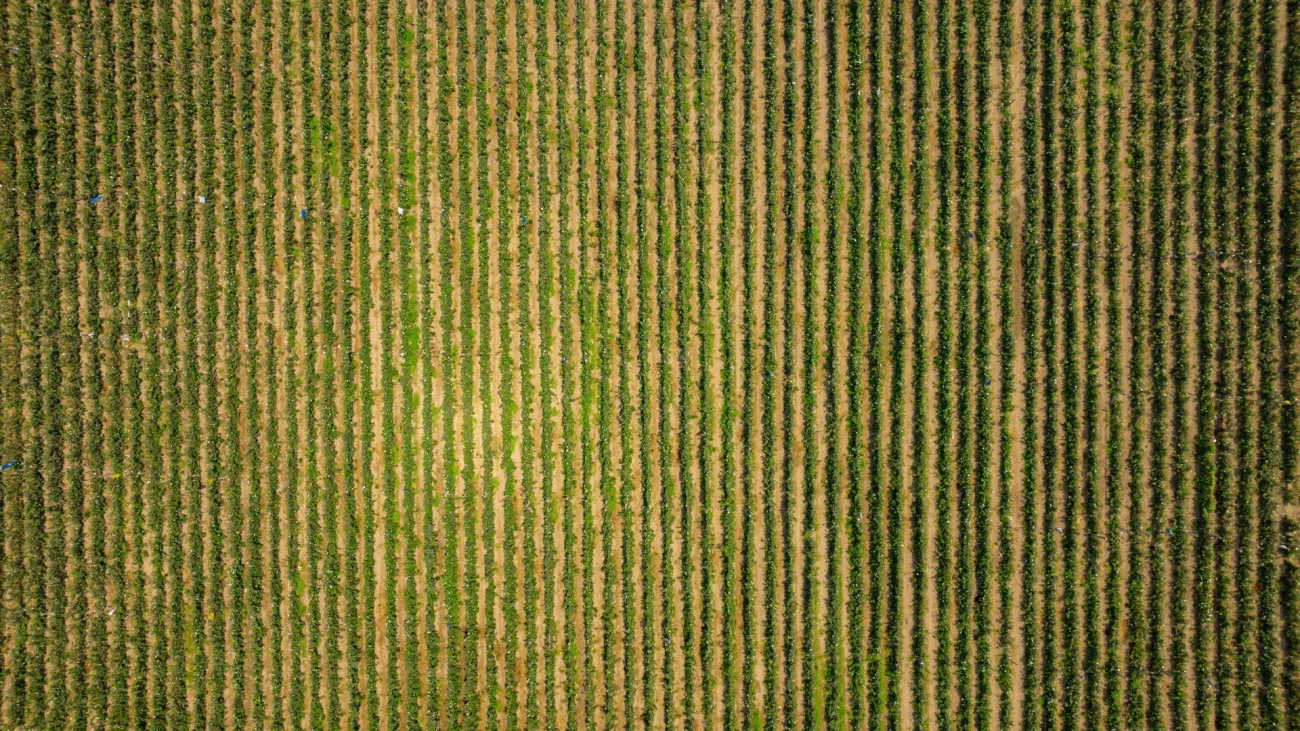
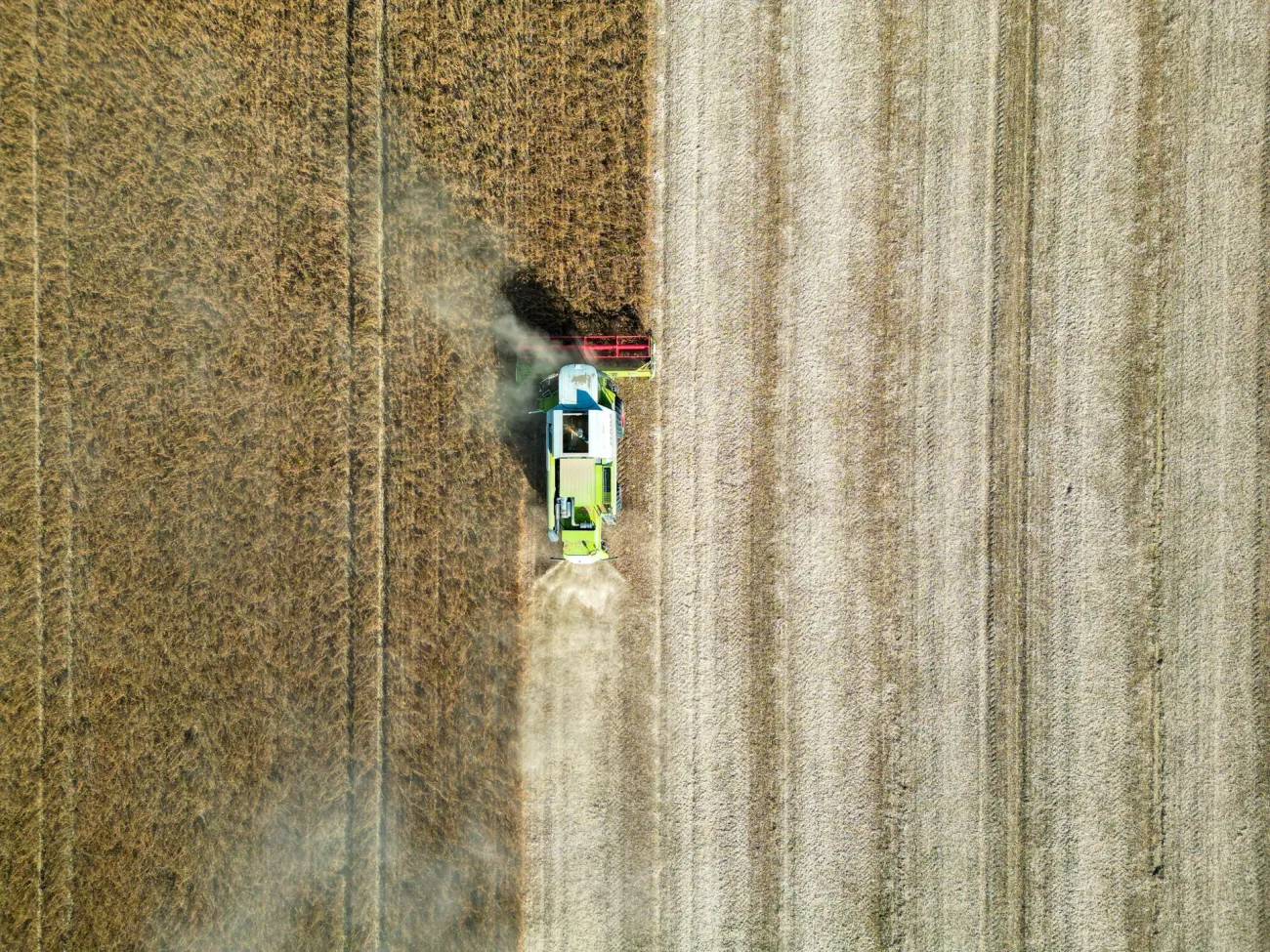
Image Journal articles Exploring animal production futures in the Nordics through efficiency, sufficiency, and consistency: towards integrated sustainability and resilience Prevailing strategies for more sustainable animal production are mainly aiming at increasing the efficiency of production processes. Meanwhile, others are criticising the consumption of animal-derived foods, and concepts of efficiency and sufficiency. It argues that to successfully reorient animal agriculture towards a sustainable and resilient future, efficiency, sufficiency, and consistency strategies should be considered as mutually complementary. Read
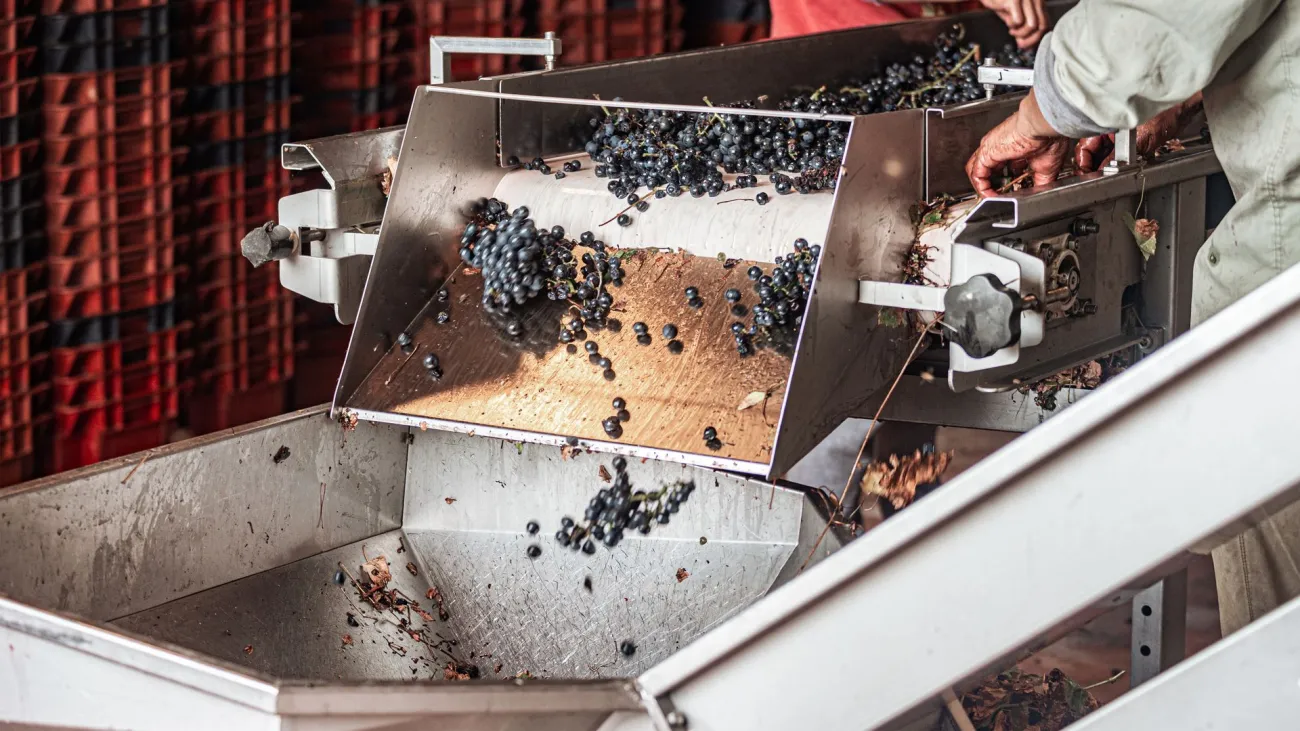
Image Journal articles Reframing food processing through food matrix science, formulation, human biology, and sustainable food systems This study indicates that biological responses to processed foods cannot be explained by processing intensity alone but emerge from interactions among matrix architecture, formulation, processing conditions and host biology. Read
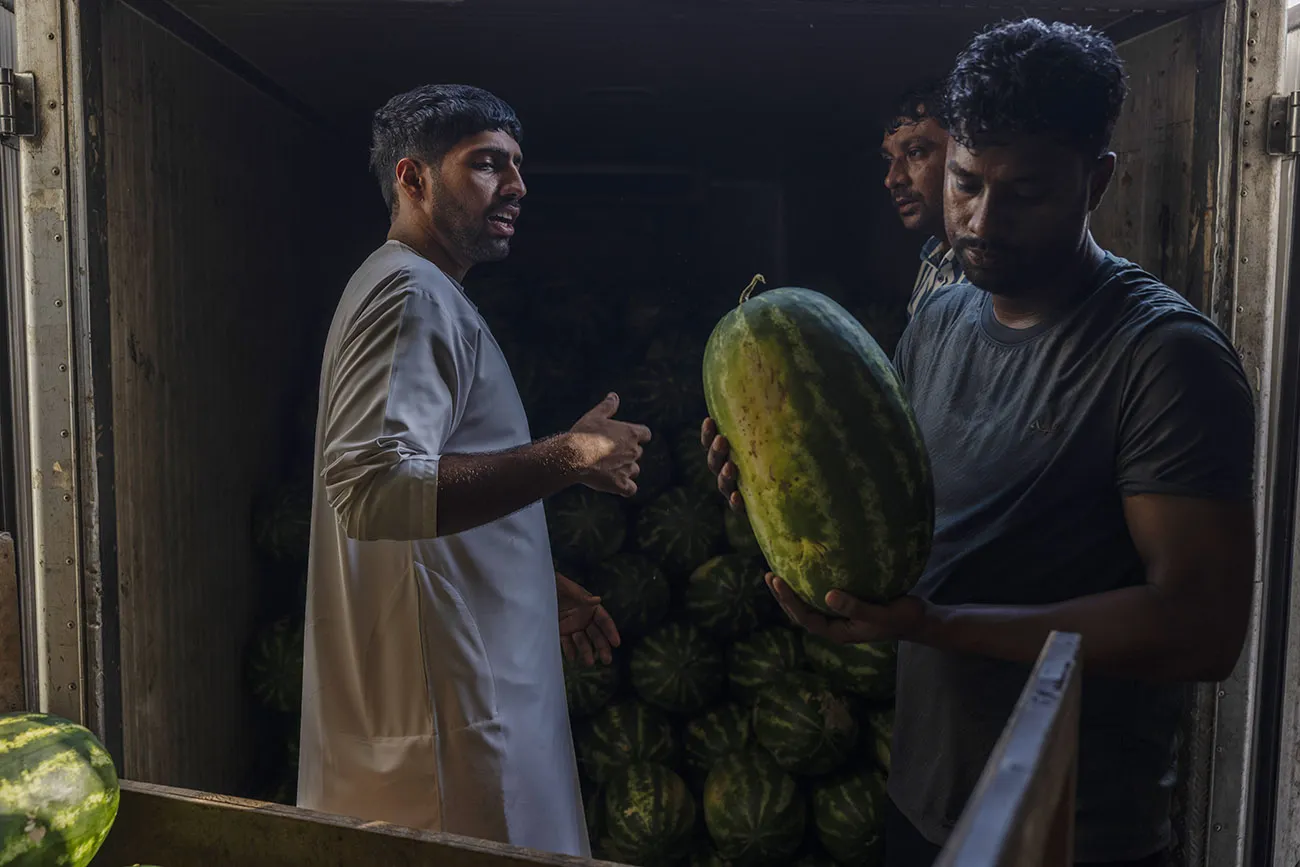
Image News and resources War and watermelons In Dubai, Trade Continues on the Front Lines of the Iran War. The flow of food from the Islamic Republic to the restaurants of the Gulf shows the difficulties involved in severing economic ties. Read
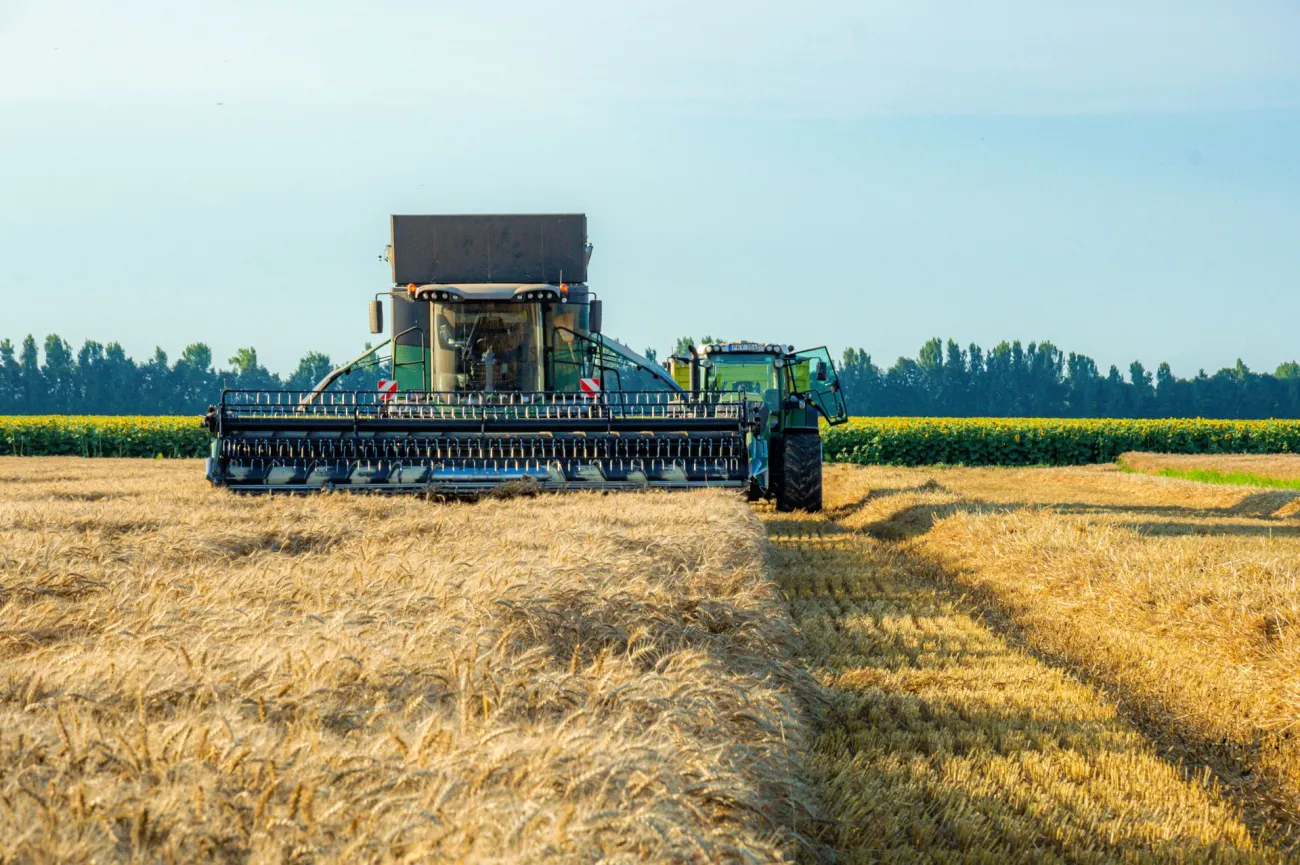
Image News and resources Five moves forward for food systems Stephanie Walton, researcher at the Oxford Sustainable Finance Group, writes in her blog, the Food Ledger, about the five things to keep things moving forward on food systems to not grow despondent or stagnant. So as to remain clear-eyed about challenges but don't succumb to a victim complex or ennui. Read
Image Reports Food, Land, and Money This report by Friends of the Earth follows the money to reveal who benefits most and why so much investment continues to support a model that is harming people and the planet. It also looks at what could happen if more resources were directed to those who already nourish much of the world. Read
Image Reports Agribusiness Atlas 2026 The Agribusiness Atlas 2026 sheds light on the market power of large corporations, from seeds to supermarkets, and shows how politicians and citizens can limit this power – for an environmentally friendly, socially just and sustainable diet. Read
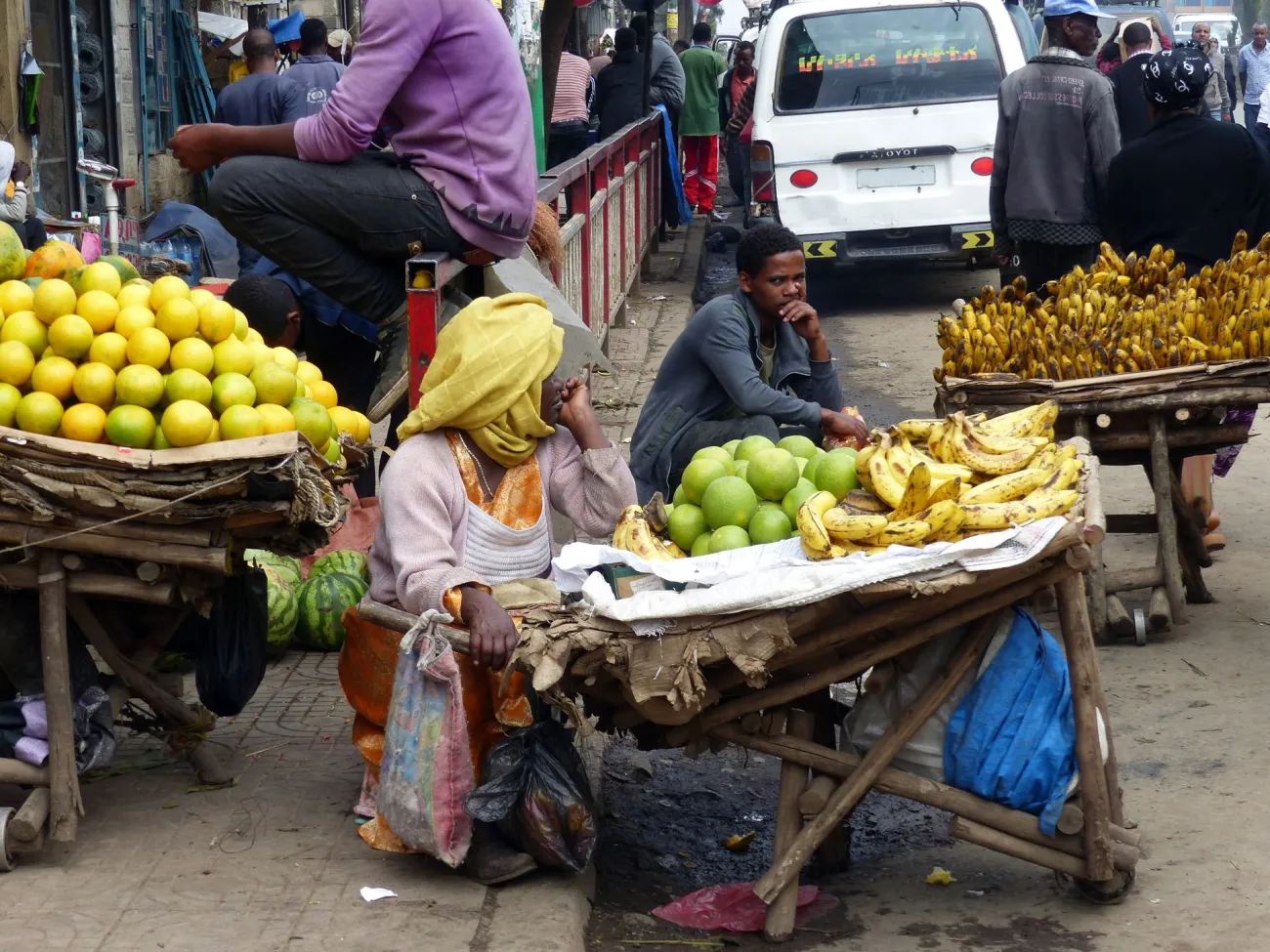
Image Journal articles Food environments as everyday governance: Youth-vendor practices in Addis Ababa and Butajira, Ethiopia Food environments are central to debates on food systems transformation but are often conceptualized as contextual determinants of individual choice. This study reconceptualizes food environments as dynamic, relational configurations co-produced through everyday interactions, focusing on youth consumption and food vendors’ selling practices in Addis Ababa and Butajira, Ethiopia. Read
Image Journal articles Large nutritional and environmental improvements can be achieved across the product portfolios of major UK food and beverage manufacturers This study finds considerable variation in terms of nutritional quality and environmental impacts across manufacturers operating within the same food retail category and within existing F&B product portfolios. For some of the F&B manufacturers assessed, changes to 10% or less of their product line could deliver more than half of the potential gains in nutritional quality or sustainability. Read
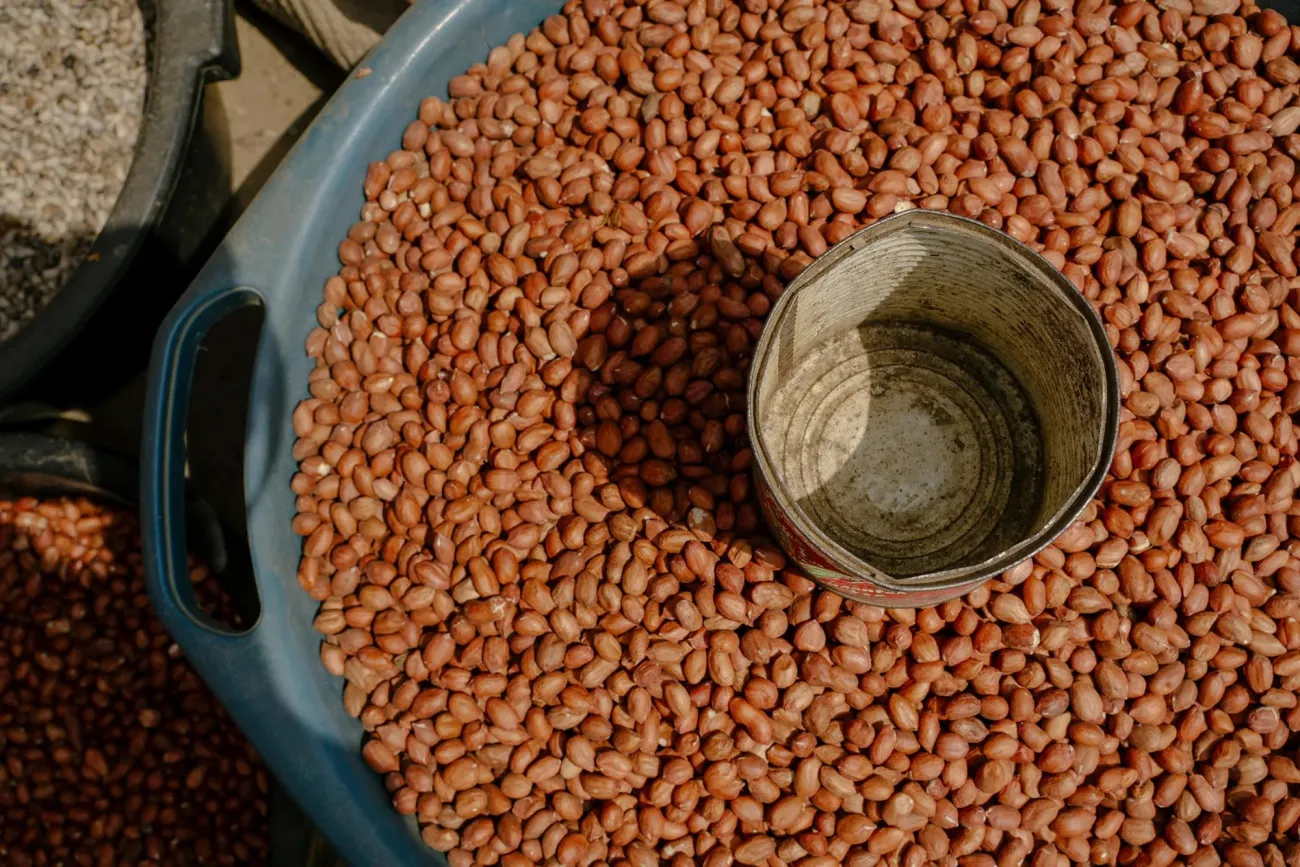
Image News and resources Moldy Peanuts Can Be Deadly. The Solution Is More Mold A fungus turns the crop into a carcinogenic time bomb. This Senegalese scientist says he can fix that. Read