Image Resources Our extensive research library contains thousands of summaries of journal articles, reports and news stories that can be searched by keyword and category RESOURCES CATEGORYBooksBriefing paperEvent recordingFeatured articlesFeatured reportGameJournal articlesNews and resourcesReportsThink pieceVideoWorking paperWorkshop summary YEAR201220132014201520162017201820192020202120222023202420252026 Image Resource Alternatives to Nitrite in Processed Meat Nitrite is used by the food industry as a preservation agent for meat products. Nitrite has multiple functions, it prevents lipid oxidation, maintains microbial quality and preserves flavour and colour. One of the main concerns of consumers is the possible carcinogenic effect nitrite could have in some meat products after the curing process (as reported by the WHO recently: see FCRN coverage here). Read Image Resource Thesis: Sustainability assessment of urban rooftop farming using an interdisciplinary approach This thesis by PhD student Esther Sanyé-Mengual (Autonomous University of Barcelona) discusses urban rooftop farming, its potential and its associated environmental impacts and economic costs. Read Image Resource Study argues that scarcity, not abundance, enhances consumer creativity This paper entitled Creating When You Have Less: The Impact of Resource Scarcity on Product Use Creativity, argues that resource scarcity actually translates into enhanced consumer product-use creativity. Read Image Resource The role of Supplier Relationship Management in reducing Greenhouse Gas emissions from food supply chains: Supplier engagement in the UK supermarket sector This paper looks at how supplier relationship management impacts emission levels from food supply chains. It investigates the influence of corporate Supplier Engagement Programmes (SEP) and the limitations of SEP-led improvements. Supplier Engagement Programmes are programmes set up to allow supermarkets to, for example, review carbon reduction measures and request GHG emissions and other data from their suppliers. Read Image Resource Reducing the land use of EU pork production: where there's swill, there's a way This paper discusses the use of food waste as a feed source for pigs reared for pork in the EU, the current policy landscape and implications for agricultural land use, profits and pork production of using waste as feed. The authors find that re-legalising the use of food waste as pig feed in the EU could spare 1.8 million hectares of global agricultural land, improve profitability for many farmers, and produce pork of high quality. Read Image Resource Effects of an environmental tax on meat and dairy consumption in Sweden Meat and dairy consumption have increased globally over the past fifty years. As livestock account for 80% of agriculture’s total greenhouse gas (GHG) emissions, this article argues that to achieve climate targets, humans need to change their dietary habits. Read Image Resource Carbon Emissions from Tropical Deforestation Could be Halved within Five Years This study entitled, Can carbon emissions from tropical deforestation drop by 50% in 5 years?, published in Global Change Biology, discusses global carbon emission trends from deforestation and the case of Brazil in particular. Read Image Resource Defining a nutritionally healthy, environmentally friendly, and culturally acceptable Low Lands Diet This paper by FCRN member Corné van Dooren and colleague Harry Aiking has been published in the International Journal of LCA. The study quantifies the historical Dutch diet of 80 years ago, based on cultural history research. The researchers calculate the greenhouse gas emissions (GHGE) and land use (LU) of this diet, using actual LCA data for the 206 most consumed products, and the health score, based on ten nutritional characteristics. Read Image Resource The Food Foundation published initial response to UK Government’s spending review The Food Foundation, a UK think tank that presents policy solutions to the public health challenges produced by the food system, has published its initial response to the Government’s spending review – which sets out departmental spending priorities over the next five years. The response focusses on the Review’s implications for food insecurity and public health spending. Read VIEW MORE
Image Resource Alternatives to Nitrite in Processed Meat Nitrite is used by the food industry as a preservation agent for meat products. Nitrite has multiple functions, it prevents lipid oxidation, maintains microbial quality and preserves flavour and colour. One of the main concerns of consumers is the possible carcinogenic effect nitrite could have in some meat products after the curing process (as reported by the WHO recently: see FCRN coverage here). Read
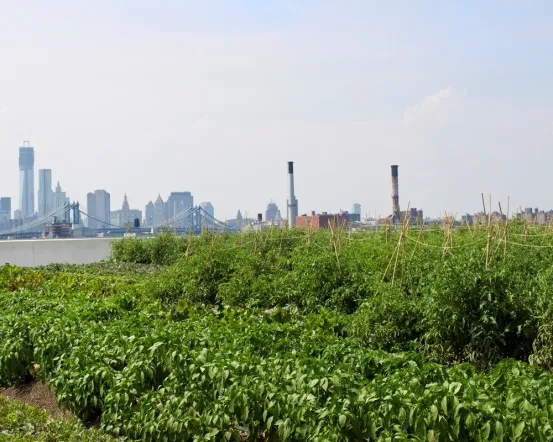
Image Resource Thesis: Sustainability assessment of urban rooftop farming using an interdisciplinary approach This thesis by PhD student Esther Sanyé-Mengual (Autonomous University of Barcelona) discusses urban rooftop farming, its potential and its associated environmental impacts and economic costs. Read
Image Resource Study argues that scarcity, not abundance, enhances consumer creativity This paper entitled Creating When You Have Less: The Impact of Resource Scarcity on Product Use Creativity, argues that resource scarcity actually translates into enhanced consumer product-use creativity. Read
Image Resource The role of Supplier Relationship Management in reducing Greenhouse Gas emissions from food supply chains: Supplier engagement in the UK supermarket sector This paper looks at how supplier relationship management impacts emission levels from food supply chains. It investigates the influence of corporate Supplier Engagement Programmes (SEP) and the limitations of SEP-led improvements. Supplier Engagement Programmes are programmes set up to allow supermarkets to, for example, review carbon reduction measures and request GHG emissions and other data from their suppliers. Read
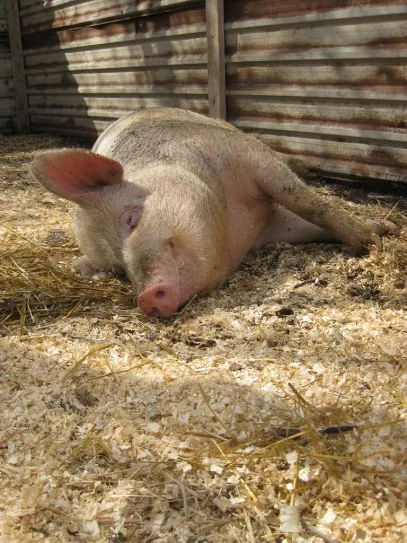
Image Resource Reducing the land use of EU pork production: where there's swill, there's a way This paper discusses the use of food waste as a feed source for pigs reared for pork in the EU, the current policy landscape and implications for agricultural land use, profits and pork production of using waste as feed. The authors find that re-legalising the use of food waste as pig feed in the EU could spare 1.8 million hectares of global agricultural land, improve profitability for many farmers, and produce pork of high quality. Read
Image Resource Effects of an environmental tax on meat and dairy consumption in Sweden Meat and dairy consumption have increased globally over the past fifty years. As livestock account for 80% of agriculture’s total greenhouse gas (GHG) emissions, this article argues that to achieve climate targets, humans need to change their dietary habits. Read
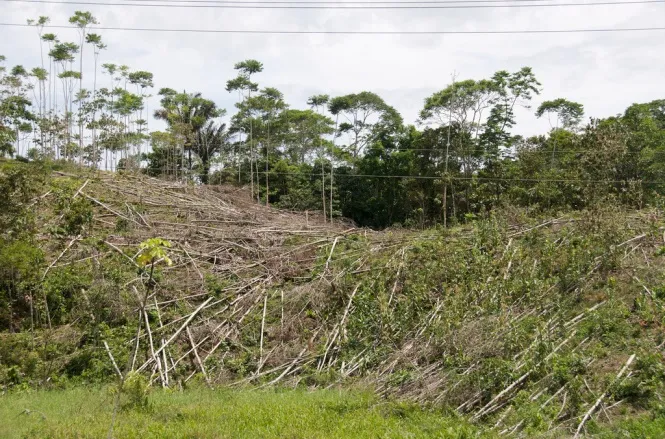
Image Resource Carbon Emissions from Tropical Deforestation Could be Halved within Five Years This study entitled, Can carbon emissions from tropical deforestation drop by 50% in 5 years?, published in Global Change Biology, discusses global carbon emission trends from deforestation and the case of Brazil in particular. Read
Image Resource Defining a nutritionally healthy, environmentally friendly, and culturally acceptable Low Lands Diet This paper by FCRN member Corné van Dooren and colleague Harry Aiking has been published in the International Journal of LCA. The study quantifies the historical Dutch diet of 80 years ago, based on cultural history research. The researchers calculate the greenhouse gas emissions (GHGE) and land use (LU) of this diet, using actual LCA data for the 206 most consumed products, and the health score, based on ten nutritional characteristics. Read
Image Resource The Food Foundation published initial response to UK Government’s spending review The Food Foundation, a UK think tank that presents policy solutions to the public health challenges produced by the food system, has published its initial response to the Government’s spending review – which sets out departmental spending priorities over the next five years. The response focusses on the Review’s implications for food insecurity and public health spending. Read