Image Resources Our extensive research library contains thousands of summaries of journal articles, reports and news stories that can be searched by keyword and category RESOURCES CATEGORYBooksBriefing paperEvent recordingFeatured articlesFeatured reportGameJournal articlesNews and resourcesReportsThink pieceVideoWorking paperWorkshop summary YEAR201220132014201520162017201820192020202120222023202420252026 Image Resource Rainforest Alliance warns for severe effect of climate change on cocoa production – encourages focus on climate smart agriculture The certification organisation Rainforest Alliance states that scaled-up efforts to support climate-smart agriculture practices are desperately needed to support the millions of cocoa farmers that are suffering from the negative impacts of climate change. Read Image Resource Silent but Deadly: Estimating the Real Climate Impact of agribusiness corporations In this policy briefing, Global Justice Now reports on the alleged “hidden emissions” of three major agribusinesses, the aim being to highlight the real contribution that multinational feed, fertiliser and beef agribusinesses make to climate change. Read Image Resource The Importance of Reducing Animal Product Consumption and Wasted Food in Mitigating Catastrophic Climate Change This report by the Johns Hopkins Center for a Livable Future highlights the need to reduce livestock farming and food waste if climate change is to be addressed, and the relative absence of these important mitigation strategies from recent climate talks (e.g. COP21 in Paris). Read Image Resource New US dietary guidelines - final version published The FCRN has previously reported on the controversy over the development of the 2015 US dietary guidelines, and in particular the vociferous debate as to whether they should include sustainability considerations. Read Image Resource A starchy problem: GHG emissions and water use differences between major starchy foods In this article, researchers from Cranfield University, UK, examine the environmental burden associated with the production, manufacturing and distribution of potatoes, pasta and rice. The aim of the research is to highlight the difference that can be made to an individual’s environmental footprint (here focusing on water use and greenhouse gas (GHG) emissions) by making dietary changes within food groups, rather than between them. Read Image Resource Rates and drivers of mangrove deforestation in Southeast Asia, 2000–2012 In this paper, researchers at the National University of Singapore identify the major land use changes associated with mangrove deforestation in Southeast Asia, with an aim of ultimately facilitating appropriately targeted policy interventions to manage the forests. Over a 12-year period, the researchers quantified LULCC in deforested patches, and classified the replacement land uses (e.g. aquaculture). Read Image Resource Study on “fat tax” finds even very small price changes are effective to shift demand to low calorie alternatives This paper published in Marketing Science finds that small price differences at the point of purchase (a so-called excise tax) can be highly effective in shifting consumer demand from high calorie to healthier low calorie alternatives. Read Image Resource Wildlife-friendly farming strategies to promote biodiversity In this paper, researchers from the Universities of Southampton and Reading compare how effective three different wildlife-friendly farming strategies are at supporting habitat diversity and species richness. Read Image Resource The potential for land sparing to offset greenhouse gas emissions from agriculture In this paper, researchers from a number of UK and US research institutions explore the potential for land sparing as a greenhouse gas (GHG) offsetting strategy – that is, by increasing crop and livestock yields so as to enable agricultural land to be freed up and used for habitat restoration (for example) an enable carbon sequestration. Read VIEW MORE
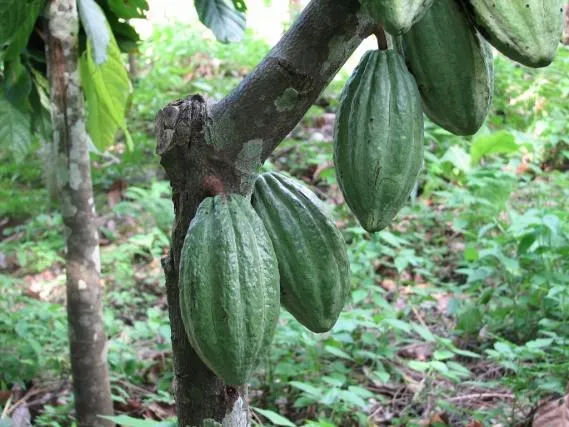
Image Resource Rainforest Alliance warns for severe effect of climate change on cocoa production – encourages focus on climate smart agriculture The certification organisation Rainforest Alliance states that scaled-up efforts to support climate-smart agriculture practices are desperately needed to support the millions of cocoa farmers that are suffering from the negative impacts of climate change. Read
Image Resource Silent but Deadly: Estimating the Real Climate Impact of agribusiness corporations In this policy briefing, Global Justice Now reports on the alleged “hidden emissions” of three major agribusinesses, the aim being to highlight the real contribution that multinational feed, fertiliser and beef agribusinesses make to climate change. Read
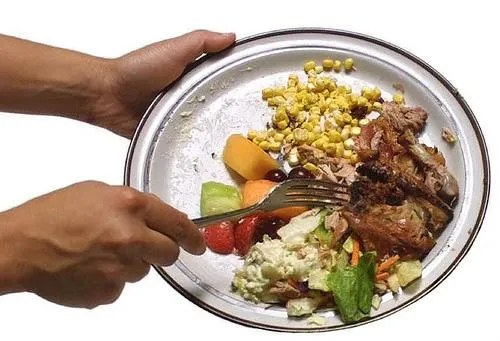
Image Resource The Importance of Reducing Animal Product Consumption and Wasted Food in Mitigating Catastrophic Climate Change This report by the Johns Hopkins Center for a Livable Future highlights the need to reduce livestock farming and food waste if climate change is to be addressed, and the relative absence of these important mitigation strategies from recent climate talks (e.g. COP21 in Paris). Read
Image Resource New US dietary guidelines - final version published The FCRN has previously reported on the controversy over the development of the 2015 US dietary guidelines, and in particular the vociferous debate as to whether they should include sustainability considerations. Read
Image Resource A starchy problem: GHG emissions and water use differences between major starchy foods In this article, researchers from Cranfield University, UK, examine the environmental burden associated with the production, manufacturing and distribution of potatoes, pasta and rice. The aim of the research is to highlight the difference that can be made to an individual’s environmental footprint (here focusing on water use and greenhouse gas (GHG) emissions) by making dietary changes within food groups, rather than between them. Read
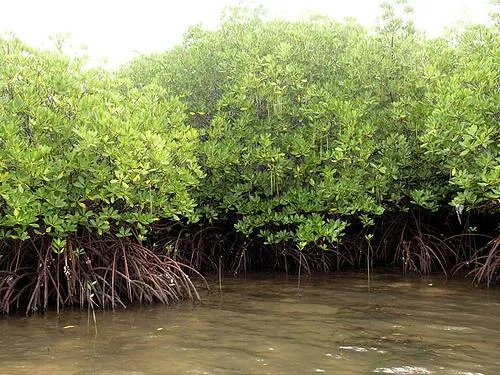
Image Resource Rates and drivers of mangrove deforestation in Southeast Asia, 2000–2012 In this paper, researchers at the National University of Singapore identify the major land use changes associated with mangrove deforestation in Southeast Asia, with an aim of ultimately facilitating appropriately targeted policy interventions to manage the forests. Over a 12-year period, the researchers quantified LULCC in deforested patches, and classified the replacement land uses (e.g. aquaculture). Read
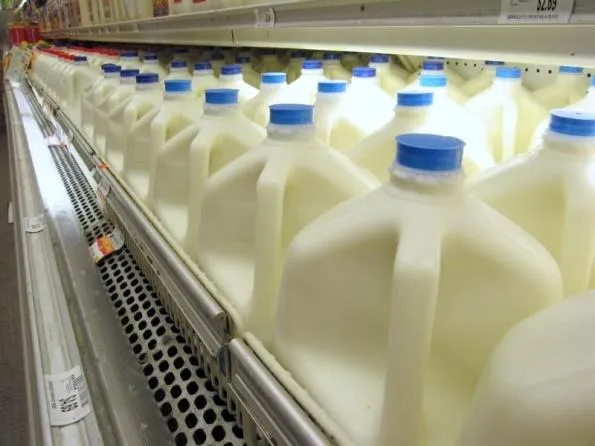
Image Resource Study on “fat tax” finds even very small price changes are effective to shift demand to low calorie alternatives This paper published in Marketing Science finds that small price differences at the point of purchase (a so-called excise tax) can be highly effective in shifting consumer demand from high calorie to healthier low calorie alternatives. Read
Image Resource Wildlife-friendly farming strategies to promote biodiversity In this paper, researchers from the Universities of Southampton and Reading compare how effective three different wildlife-friendly farming strategies are at supporting habitat diversity and species richness. Read
Image Resource The potential for land sparing to offset greenhouse gas emissions from agriculture In this paper, researchers from a number of UK and US research institutions explore the potential for land sparing as a greenhouse gas (GHG) offsetting strategy – that is, by increasing crop and livestock yields so as to enable agricultural land to be freed up and used for habitat restoration (for example) an enable carbon sequestration. Read