Image Resources Our extensive research library contains thousands of summaries of journal articles, reports and news stories that can be searched by keyword and category RESOURCES CATEGORYBooksBriefing paperEvent recordingFeatured articlesFeatured reportGameJournal articlesNews and resourcesReportsThink pieceVideoWorking paperWorkshop summary YEAR201220132014201520162017201820192020202120222023202420252026 Image Resource Climate Change and Agricultural Water Management in Developing Countries The book provides an analysis of impacts of climate change on water for agriculture, and the adaptation strategies in water management to deal with these impacts. Read Image Resource The State of Sustainable Markets: Statistics and Emerging Trends 2015 This report by a partnership comprising the International Trade Centre, the Research Institute of Organic Agriculture and the International Institute for Sustainable Development summarises the recent market trends and growth in voluntary sustainability standards (VSS), for nine commodities. Read Image Resource Climate Change, food security and the U.S. Food System This report by the USDA (United States Department of Agriculture) represents a consensus of more than 30 authors from 19 institutions across four countries. The report brings together modelling and forecasting research on climate change to the year 2100, and explores how these changes will affect food and agricultural systems worldwide, and in particular in the US. Read Image Resource Smarter food systems report by Rabobank This report by Dutch multinational banking and financial services company, Rabobank, argues for the need for a so-called “smarter food system” – that is, a food system incorporating and harnessing the latest technology at every stage, although they place particular emphasis on production-side measures. Read Image Resource Eating better sustainable diets policy recommendations This policy briefing by the Eating Better alliance, aimed at UK Government, Devolved Administrations and the EU, recommends that action be taken to shift eating patterns towards less and better quality meat, and more plant-based foods. Read Image Resource The Second Report on the State of the World’s Animal Genetic Resources for Food and Agriculture (SoW-AnGR) The second SoW-AnGR by the FAO reviews the developments that have been made in the area of using, developing and safeguarding the genetic resources (i.e. the diversity of breeds) of our mammalian and avian livestock since the first SoW-AnGR report was released in 2007. Read Image Resource Nature Climate Change commentary: Food security under climate change In this commentary, Thomas Hertel of Purdue University argues that typically-used metrics of food security that are based solely on food production and food prices are incomplete, misleading or in some cases, just wrong. Read Image Resource Estimating the Environmental Costs of Africa’s Massive “Development Corridors” In this paper, researchers from James Cook University, Australia, assess the impact on the environment and agriculture of 33 planned or existing “development corridors” in sub-Saharan Africa. Development corridors are tracts of land earmarked for large-scale infrastructure expansions (e.g. road access) with the aim of increasing agricultural production. Read Image Resource Simulating the impact on health of internalising the cost of carbon in food prices combined with a tax on sugar-sweetened beverages This paper by researchers from the University of Oxford, British Heart Foundation and the University of Reading investigates the impact on both health and greenhouse gas emissions (GHGEs) in the UK of introducing taxes on foods and drinks with high GHGEs, and/or on drinks with added sugar (sugar-sweetened beverages; SSBs). Read VIEW MORE
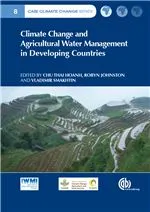
Image Resource Climate Change and Agricultural Water Management in Developing Countries The book provides an analysis of impacts of climate change on water for agriculture, and the adaptation strategies in water management to deal with these impacts. Read
Image Resource The State of Sustainable Markets: Statistics and Emerging Trends 2015 This report by a partnership comprising the International Trade Centre, the Research Institute of Organic Agriculture and the International Institute for Sustainable Development summarises the recent market trends and growth in voluntary sustainability standards (VSS), for nine commodities. Read
Image Resource Climate Change, food security and the U.S. Food System This report by the USDA (United States Department of Agriculture) represents a consensus of more than 30 authors from 19 institutions across four countries. The report brings together modelling and forecasting research on climate change to the year 2100, and explores how these changes will affect food and agricultural systems worldwide, and in particular in the US. Read
Image Resource Smarter food systems report by Rabobank This report by Dutch multinational banking and financial services company, Rabobank, argues for the need for a so-called “smarter food system” – that is, a food system incorporating and harnessing the latest technology at every stage, although they place particular emphasis on production-side measures. Read
Image Resource Eating better sustainable diets policy recommendations This policy briefing by the Eating Better alliance, aimed at UK Government, Devolved Administrations and the EU, recommends that action be taken to shift eating patterns towards less and better quality meat, and more plant-based foods. Read
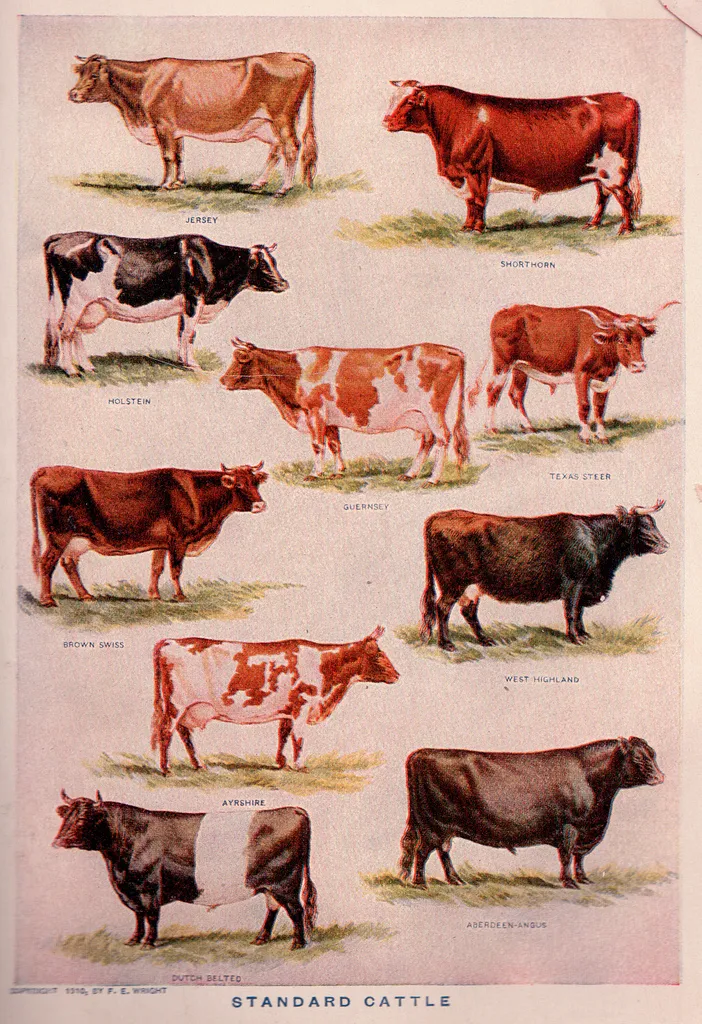
Image Resource The Second Report on the State of the World’s Animal Genetic Resources for Food and Agriculture (SoW-AnGR) The second SoW-AnGR by the FAO reviews the developments that have been made in the area of using, developing and safeguarding the genetic resources (i.e. the diversity of breeds) of our mammalian and avian livestock since the first SoW-AnGR report was released in 2007. Read
Image Resource Nature Climate Change commentary: Food security under climate change In this commentary, Thomas Hertel of Purdue University argues that typically-used metrics of food security that are based solely on food production and food prices are incomplete, misleading or in some cases, just wrong. Read
Image Resource Estimating the Environmental Costs of Africa’s Massive “Development Corridors” In this paper, researchers from James Cook University, Australia, assess the impact on the environment and agriculture of 33 planned or existing “development corridors” in sub-Saharan Africa. Development corridors are tracts of land earmarked for large-scale infrastructure expansions (e.g. road access) with the aim of increasing agricultural production. Read
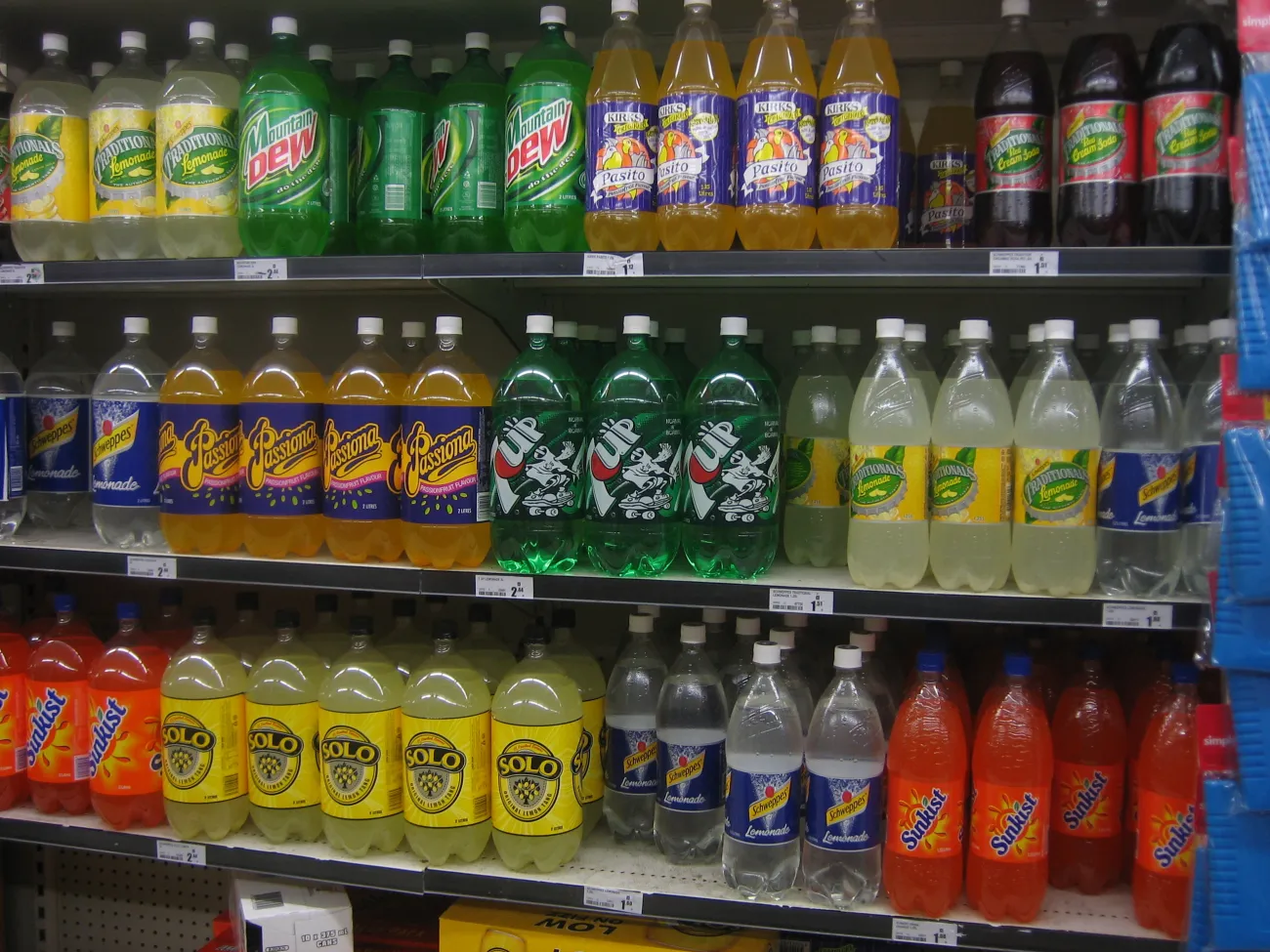
Image Resource Simulating the impact on health of internalising the cost of carbon in food prices combined with a tax on sugar-sweetened beverages This paper by researchers from the University of Oxford, British Heart Foundation and the University of Reading investigates the impact on both health and greenhouse gas emissions (GHGEs) in the UK of introducing taxes on foods and drinks with high GHGEs, and/or on drinks with added sugar (sugar-sweetened beverages; SSBs). Read