Image Resources Our extensive research library contains thousands of summaries of journal articles, reports and news stories that can be searched by keyword and category RESOURCES CATEGORYBooksBriefing paperEvent recordingFeatured articlesFeatured reportGameJournal articlesNews and resourcesReportsThink pieceVideoWorking paperWorkshop summary YEAR201220132014201520162017201820192020202120222023202420252026 Image Resource Questioning the Ecological Footprint Opponents in an academic discussion on the relevance and the validity of the ‘Ecological Footprint approach’ have come together to write an article in which they challenge each other’s views. Read Image Resource Governments agree IPCC special report to scrutinise ‘feasibility’ of 1.5C climate goal Governments meeting in Bangkok have given a green light to the production of a new IPCC special report to assess the feasibility of achieving a 1.5˚C goal. The report is due to be completed on in 2018 and will also look at the likely impacts of a 1.5˚C temperature rise. Read Image Resource Blog: Let’s eat out more! Re-configuring a feminist vision for a sustainable future In this blog Jessica Paddock and Alan Warde outline a feminist vision of how we might change our eating habits in order to meet our food climate mitigation requirements. Read Image Resource Junking tropical forests for junk food? A key ingredient in junk food is vegetable oil. 60% of this oil is from oil palm and soybean, production of which has been expanding in Southeast Asia and South America, resulting in widespread deforestation and biodiversity loss. In this article, the authors calculate the amount of current deforestation due to vegetable oil consumption (through junk food) and extrapolate vegetable oil demand to predict the deforestation future consumption patterns would cause by 2050. Read Image Resource Tropical smallholders prioritise economic profitability over ecological functioning The largest share of agricultural land in tropical landscapes is managed, not as large-scale industrial plantations, but by smallholders. This Nature Communications article integrates the interdisciplinary research of more than 20 research groups, and seeks to address gaps in our understanding of the ecological impacts of this smallholder-managed agricultural land. The study uses a multifaceted approach to investigating the crop choices that farmers make and how these choices impact on ecological and economic outcomes. Read Image Resource A Systematic Review of the Measurement of Sustainable Diets At a time when interest in the sustainability of food is increasing, the need for well-defined, interdisciplinary metrics of the sustainability of diets is evident. In this study, a group of researchers from Michigan performed a systematic literature review of empirical research studies on sustainable diets to identify the components of sustainability that were measured and the methods applied to do so. Read Image Resource World Health Organisation says sugary soft drinks should be taxed worldwide to address obesity epidemic Read Image Resource France bans use of plastic cups, plates and cutlery In September 2016, France banned the use of non-biodegradable plastic cups and cutlery, as from 2020. The ban was proposed by Europe Écologie, Les Verts, France’s green party. Read Image Resource Urban Food Planning: Seeds of Transition in the Global North This book examines the rise of the urban food planning movement in the Global North and provides insights into the new relationship between cities and food which has started developing over the past decade. Read VIEW MORE
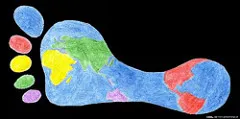
Image Resource Questioning the Ecological Footprint Opponents in an academic discussion on the relevance and the validity of the ‘Ecological Footprint approach’ have come together to write an article in which they challenge each other’s views. Read
Image Resource Governments agree IPCC special report to scrutinise ‘feasibility’ of 1.5C climate goal Governments meeting in Bangkok have given a green light to the production of a new IPCC special report to assess the feasibility of achieving a 1.5˚C goal. The report is due to be completed on in 2018 and will also look at the likely impacts of a 1.5˚C temperature rise. Read
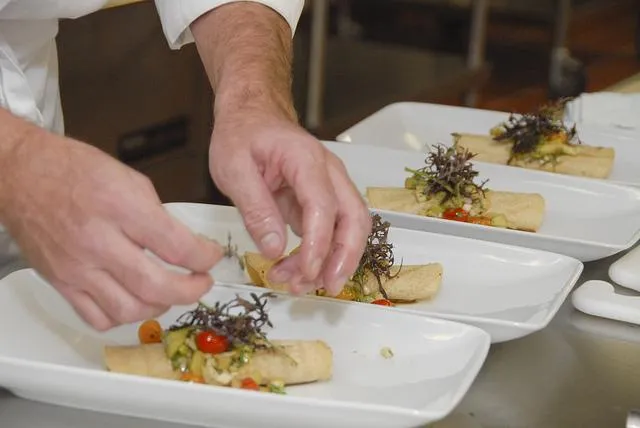
Image Resource Blog: Let’s eat out more! Re-configuring a feminist vision for a sustainable future In this blog Jessica Paddock and Alan Warde outline a feminist vision of how we might change our eating habits in order to meet our food climate mitigation requirements. Read
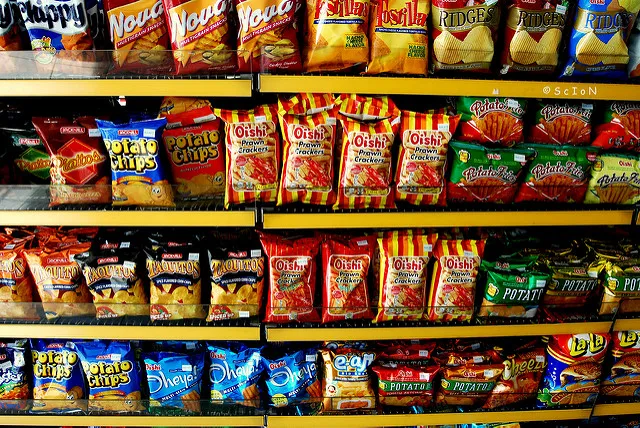
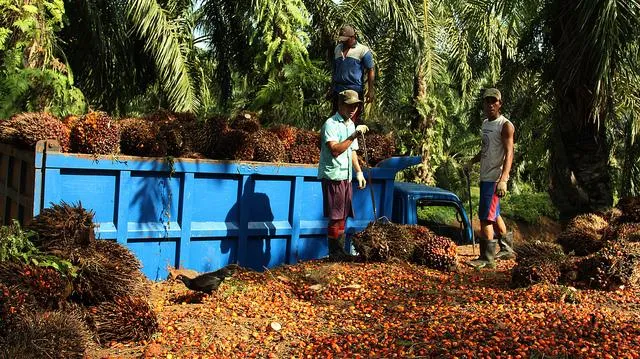
Image Resource Junking tropical forests for junk food? A key ingredient in junk food is vegetable oil. 60% of this oil is from oil palm and soybean, production of which has been expanding in Southeast Asia and South America, resulting in widespread deforestation and biodiversity loss. In this article, the authors calculate the amount of current deforestation due to vegetable oil consumption (through junk food) and extrapolate vegetable oil demand to predict the deforestation future consumption patterns would cause by 2050. Read
Image Resource Tropical smallholders prioritise economic profitability over ecological functioning The largest share of agricultural land in tropical landscapes is managed, not as large-scale industrial plantations, but by smallholders. This Nature Communications article integrates the interdisciplinary research of more than 20 research groups, and seeks to address gaps in our understanding of the ecological impacts of this smallholder-managed agricultural land. The study uses a multifaceted approach to investigating the crop choices that farmers make and how these choices impact on ecological and economic outcomes. Read
Image Resource A Systematic Review of the Measurement of Sustainable Diets At a time when interest in the sustainability of food is increasing, the need for well-defined, interdisciplinary metrics of the sustainability of diets is evident. In this study, a group of researchers from Michigan performed a systematic literature review of empirical research studies on sustainable diets to identify the components of sustainability that were measured and the methods applied to do so. Read
Image Resource World Health Organisation says sugary soft drinks should be taxed worldwide to address obesity epidemic Read
Image Resource France bans use of plastic cups, plates and cutlery In September 2016, France banned the use of non-biodegradable plastic cups and cutlery, as from 2020. The ban was proposed by Europe Écologie, Les Verts, France’s green party. Read
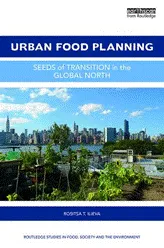
Image Resource Urban Food Planning: Seeds of Transition in the Global North This book examines the rise of the urban food planning movement in the Global North and provides insights into the new relationship between cities and food which has started developing over the past decade. Read