Image Resources Our extensive research library contains thousands of summaries of journal articles, reports and news stories that can be searched by keyword and category RESOURCES CATEGORYBooksBriefing paperEvent recordingFeatured articlesFeatured reportGameJournal articlesNews and resourcesReportsThink pieceVideoWorking paperWorkshop summary YEAR201220132014201520162017201820192020202120222023202420252026 Image Resource Throwing a more sustainable shrimp on the barbie This blog by researchers Cedric Simon and Ha Truong from CSIRO Agriculture & Food discusses a method they have developed to reduce the amount of wild fish needed for prawn feed. Read Image Resource What’s on the table? Mitigating agricultural emissions while achieving food security A Climate Action Tracker report outlines and quantifies the main opportunities to reduce food-related non-CO2 greenhouse gas emissions, particularly CH4 and N2O. Read Image Resource Towards a European food and nutrition policy This report by researchers at Wageningen University considers current food policies and practices in the EU, as well as the potential for change in the future. Read Image Resource Potentially dangerous consequences for biodiversity of geoengineering Geoengineering to fix climate change could harm biodiversity, according to two modelling studies. Read Image Resource The rise of aquaculture by-products: increasing food production, value, and sustainability through strategic utilisation In this article, researchers from the UK and USA present their findings of a 2015 case study of Scottish salmon farming, their goal being to illuminate the economic and food security value that may be gained through improved management and use of aquaculture by-products. Read Image Resource Why is meat so important in Western history and culture? A genealogical critique of biophysical and political-economic explanations This paper reviews the evidence on two widespread explanations for the importance of meat in Western history and culture: biophysical and political-economic. The first is the notion that meat eating is essential to both human nutrition and agricultural sustainability, whereas the second puts forward the argument that meat eating practices are largely determined by consumers’ relationships to the means of production and the power of government and corporations. Read Image Resource FAO Director General calls for reduced meat consumption At the Global Forum for Food and Agriculture (GFFA) 2018, the director general of the United Nations Food and Agriculture Organization (FAO) spoke about the need for lower emissions from the livestock industry. In addition to efficiency gains, Graziano da Silva suggested that governments target the demand side with policies that reduce meat and dairy consumption. He said that alternative sources of protein, such as fish and pulses, are available and should be used. Read Image Resource Trade and the equitability of global food nutrient distribution In this brief communication paper published in the first volume of the new journal Nature Sustainability, researchers from the US and Belgium assess the impact of international trade on global food supply, at the level of individual nutrients, rather than total calories. Based on their hypothetical comparison of food supply in a world with and without trade, they argue that international food trade is essential for global food security. Read Image Resource Calculator aims to reduce antibiotics on dairy farms Researcher at the University of Nottingham have developed a free Excel-based tool to reduce the use of antibiotics on dairy farms. It is hoped this will help combat antimicrobial resistance in the farming industry. The calculator gives measurements which graphically display to farmers their use of antibiotics and detects any patterns. The calculator also tells farmers how their antibiotic use compares to other farms. Read VIEW MORE
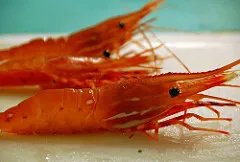
Image Resource Throwing a more sustainable shrimp on the barbie This blog by researchers Cedric Simon and Ha Truong from CSIRO Agriculture & Food discusses a method they have developed to reduce the amount of wild fish needed for prawn feed. Read
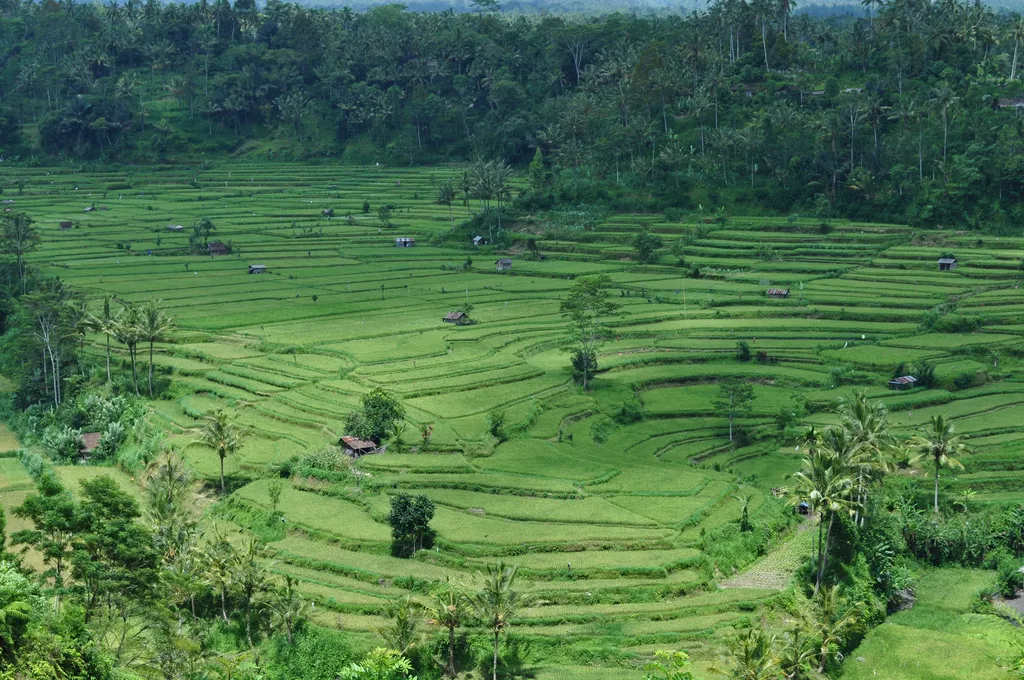
Image Resource What’s on the table? Mitigating agricultural emissions while achieving food security A Climate Action Tracker report outlines and quantifies the main opportunities to reduce food-related non-CO2 greenhouse gas emissions, particularly CH4 and N2O. Read
Image Resource Towards a European food and nutrition policy This report by researchers at Wageningen University considers current food policies and practices in the EU, as well as the potential for change in the future. Read
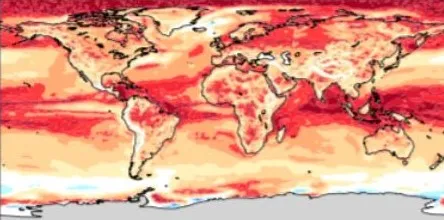
Image Resource Potentially dangerous consequences for biodiversity of geoengineering Geoengineering to fix climate change could harm biodiversity, according to two modelling studies. Read
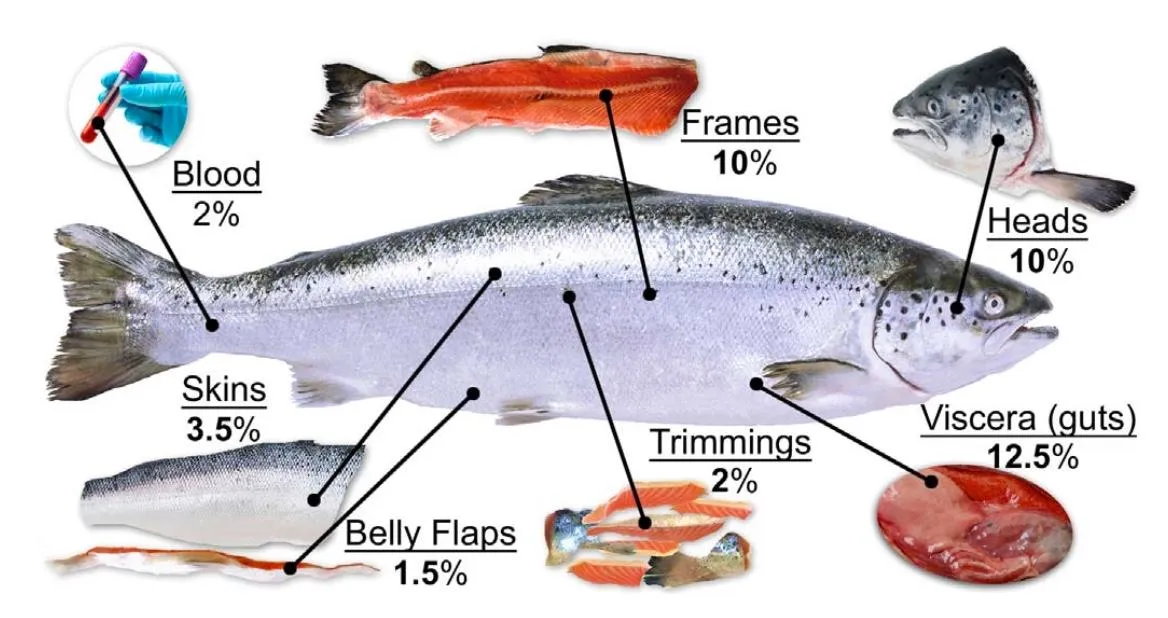
Image Resource The rise of aquaculture by-products: increasing food production, value, and sustainability through strategic utilisation In this article, researchers from the UK and USA present their findings of a 2015 case study of Scottish salmon farming, their goal being to illuminate the economic and food security value that may be gained through improved management and use of aquaculture by-products. Read
Image Resource Why is meat so important in Western history and culture? A genealogical critique of biophysical and political-economic explanations This paper reviews the evidence on two widespread explanations for the importance of meat in Western history and culture: biophysical and political-economic. The first is the notion that meat eating is essential to both human nutrition and agricultural sustainability, whereas the second puts forward the argument that meat eating practices are largely determined by consumers’ relationships to the means of production and the power of government and corporations. Read
Image Resource FAO Director General calls for reduced meat consumption At the Global Forum for Food and Agriculture (GFFA) 2018, the director general of the United Nations Food and Agriculture Organization (FAO) spoke about the need for lower emissions from the livestock industry. In addition to efficiency gains, Graziano da Silva suggested that governments target the demand side with policies that reduce meat and dairy consumption. He said that alternative sources of protein, such as fish and pulses, are available and should be used. Read
Image Resource Trade and the equitability of global food nutrient distribution In this brief communication paper published in the first volume of the new journal Nature Sustainability, researchers from the US and Belgium assess the impact of international trade on global food supply, at the level of individual nutrients, rather than total calories. Based on their hypothetical comparison of food supply in a world with and without trade, they argue that international food trade is essential for global food security. Read
Image Resource Calculator aims to reduce antibiotics on dairy farms Researcher at the University of Nottingham have developed a free Excel-based tool to reduce the use of antibiotics on dairy farms. It is hoped this will help combat antimicrobial resistance in the farming industry. The calculator gives measurements which graphically display to farmers their use of antibiotics and detects any patterns. The calculator also tells farmers how their antibiotic use compares to other farms. Read