Image Resources Our extensive research library contains thousands of summaries of journal articles, reports and news stories that can be searched by keyword and category RESOURCES CATEGORYBooksBriefing paperEvent recordingFeatured articlesFeatured reportGameJournal articlesNews and resourcesReportsThink pieceVideoWorking paperWorkshop summary YEAR201220132014201520162017201820192020202120222023202420252026 Image Resource The circularity gap report A report by the social enterprise Circle Economy finds that today’s economy is only 9.1% circular, based on their newly launched Global Circularity Metric. To move away from the current linear economic model, the report recommends extracting fewer resources, wasting less, optimising the resources we already have and cycling more resources back into the economy. Read Image Resource Negative emission technologies - What role in meeting Paris Agreement targets? A report by the European Academies’ Science Advisory Council finds that negative emissions technologies (NETs) have ‘limited realistic potential’ and cannot be relied upon to remove carbon at the rate envisaged in the Intergovernmental Panel on Climate Change (IPCC) scenarios for avoiding dangerous climate change. Read Image Resource We need radical change in how we produce and consume food This opinion piece by Peter Horton of the Grantham Centre for Sustainable Futures discusses the failures of the current food system and sets out some possible solutions to achieve sustainable food security for all. Read Image Resource Land-use strategies to balance livestock production, biodiversity conservation and carbon storage in Yucatán, Mexico This paper by researchers from the USA, UK and Mexico examines the biodiversity conservation and carbon storage implications of a number of land-use scenarios related to cattle ranching in Yucatán, Mexico. Read Image Resource Legal and administrative feasibility of a federal junk food and sugar-sweetened beverage tax to improve diet In this paper, the researchers evaluated the legal and administrative feasibility of enacting a US federal junk food tax to improve diets. Read Image Resource A good life for all within planetary boundaries No country meets basic needs for its citizens at a globally sustainable level of resource use, according to a study by researchers from the University of Leeds. Read Image Resource Was your seafood caught with slave labour? New database helps retailers combat abuse Monterey Bay Aquarium Seafood Watch, Liberty Asia and the Sustainable Fisheries Partnership have created a database to help corporate seafood buyers check fisheries for risk of slavery, forced labour and hazardous child labour. Read Image Resource Thanks to Trump, more US milk will be coming from robots Tougher immigration laws, the rising cost of labour and cheap credit could encourage dairy farms to use more robots, according to this article in Bloomberg. Read Image Resource Special report: future of the food industry The Financial Times explores several emerging trends in the global food industry, including eating insects, new retail models in China, sugar taxes, food waste monitoring and genetically modified crops and animals. Read VIEW MORE
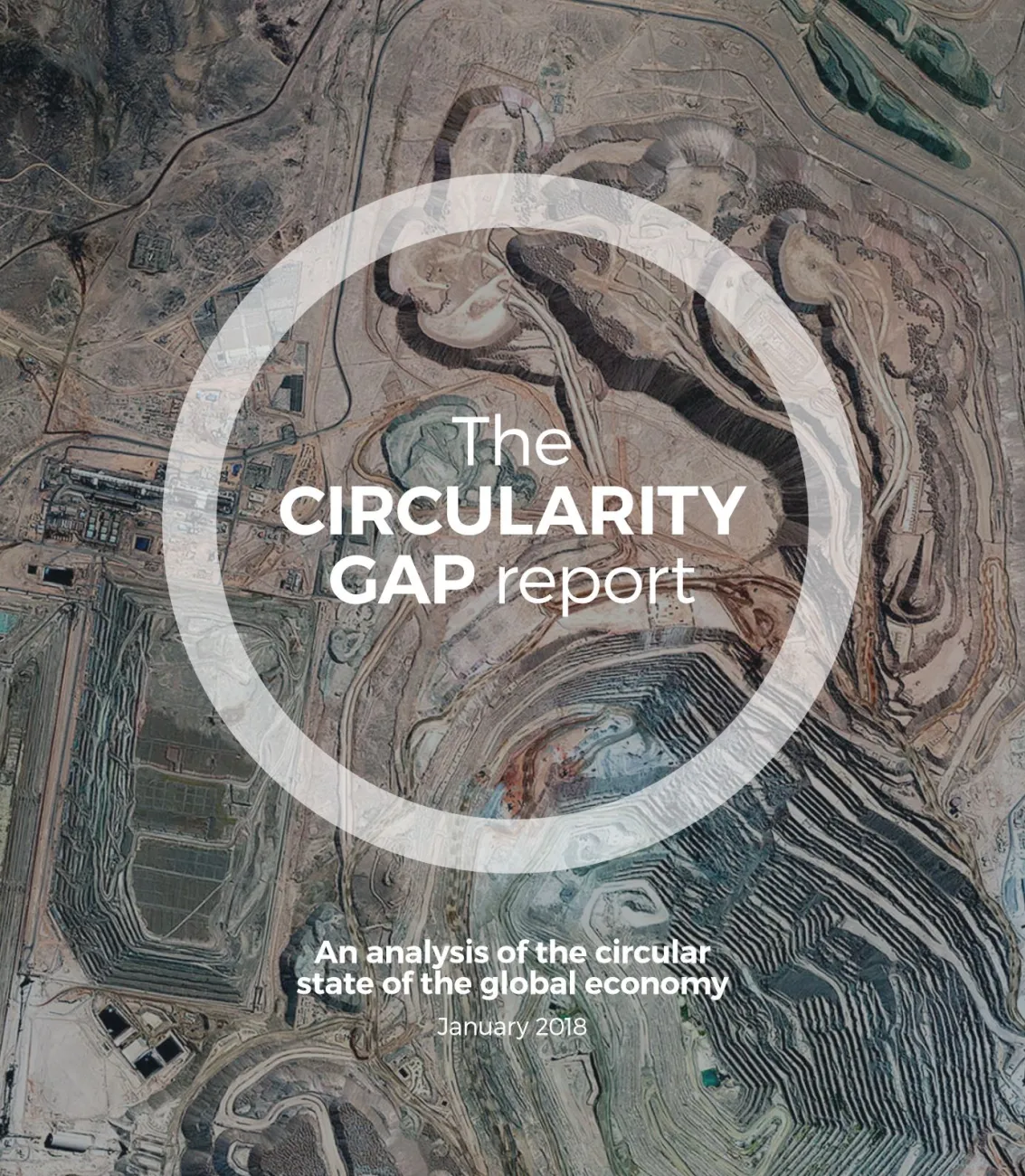
Image Resource The circularity gap report A report by the social enterprise Circle Economy finds that today’s economy is only 9.1% circular, based on their newly launched Global Circularity Metric. To move away from the current linear economic model, the report recommends extracting fewer resources, wasting less, optimising the resources we already have and cycling more resources back into the economy. Read
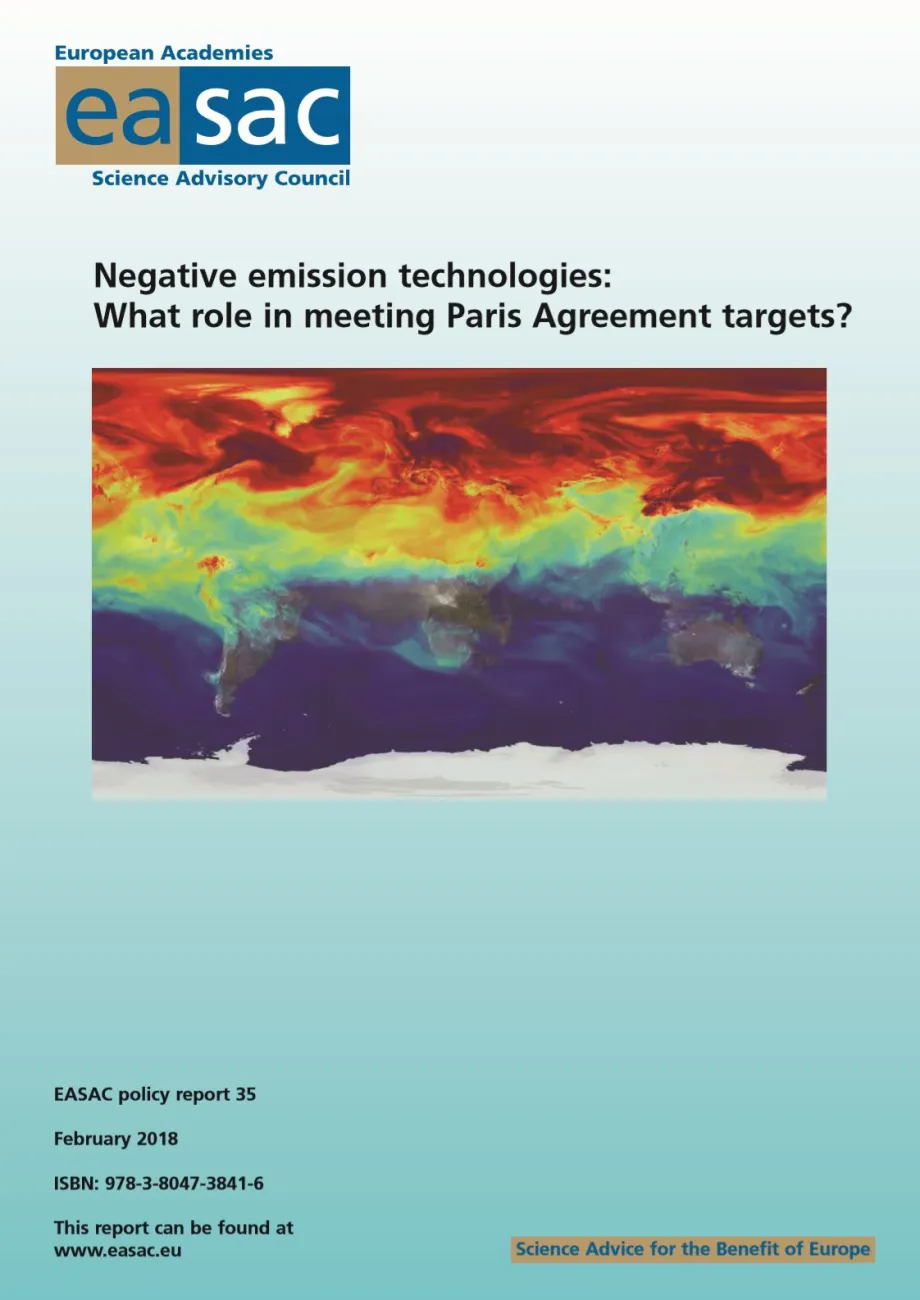
Image Resource Negative emission technologies - What role in meeting Paris Agreement targets? A report by the European Academies’ Science Advisory Council finds that negative emissions technologies (NETs) have ‘limited realistic potential’ and cannot be relied upon to remove carbon at the rate envisaged in the Intergovernmental Panel on Climate Change (IPCC) scenarios for avoiding dangerous climate change. Read
Image Resource We need radical change in how we produce and consume food This opinion piece by Peter Horton of the Grantham Centre for Sustainable Futures discusses the failures of the current food system and sets out some possible solutions to achieve sustainable food security for all. Read
Image Resource Land-use strategies to balance livestock production, biodiversity conservation and carbon storage in Yucatán, Mexico This paper by researchers from the USA, UK and Mexico examines the biodiversity conservation and carbon storage implications of a number of land-use scenarios related to cattle ranching in Yucatán, Mexico. Read
Image Resource Legal and administrative feasibility of a federal junk food and sugar-sweetened beverage tax to improve diet In this paper, the researchers evaluated the legal and administrative feasibility of enacting a US federal junk food tax to improve diets. Read
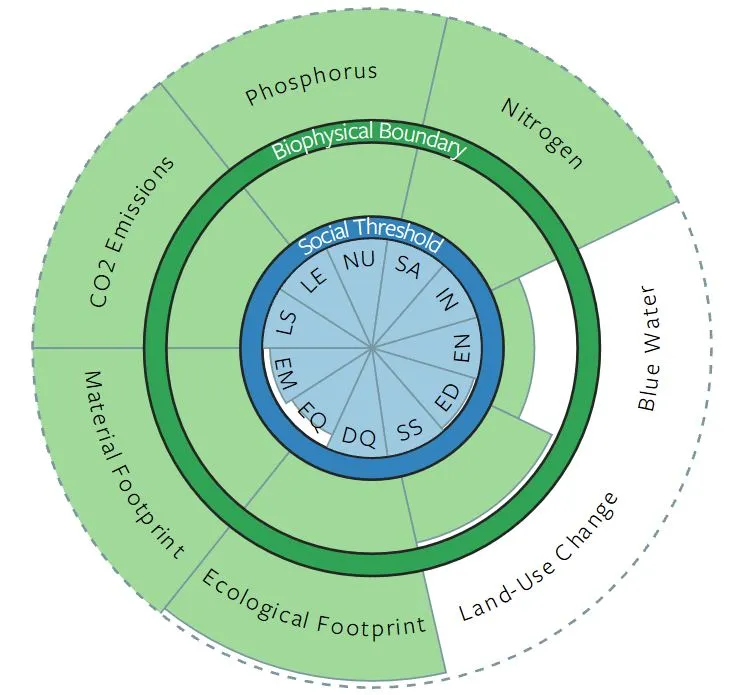
Image Resource A good life for all within planetary boundaries No country meets basic needs for its citizens at a globally sustainable level of resource use, according to a study by researchers from the University of Leeds. Read
Image Resource Was your seafood caught with slave labour? New database helps retailers combat abuse Monterey Bay Aquarium Seafood Watch, Liberty Asia and the Sustainable Fisheries Partnership have created a database to help corporate seafood buyers check fisheries for risk of slavery, forced labour and hazardous child labour. Read
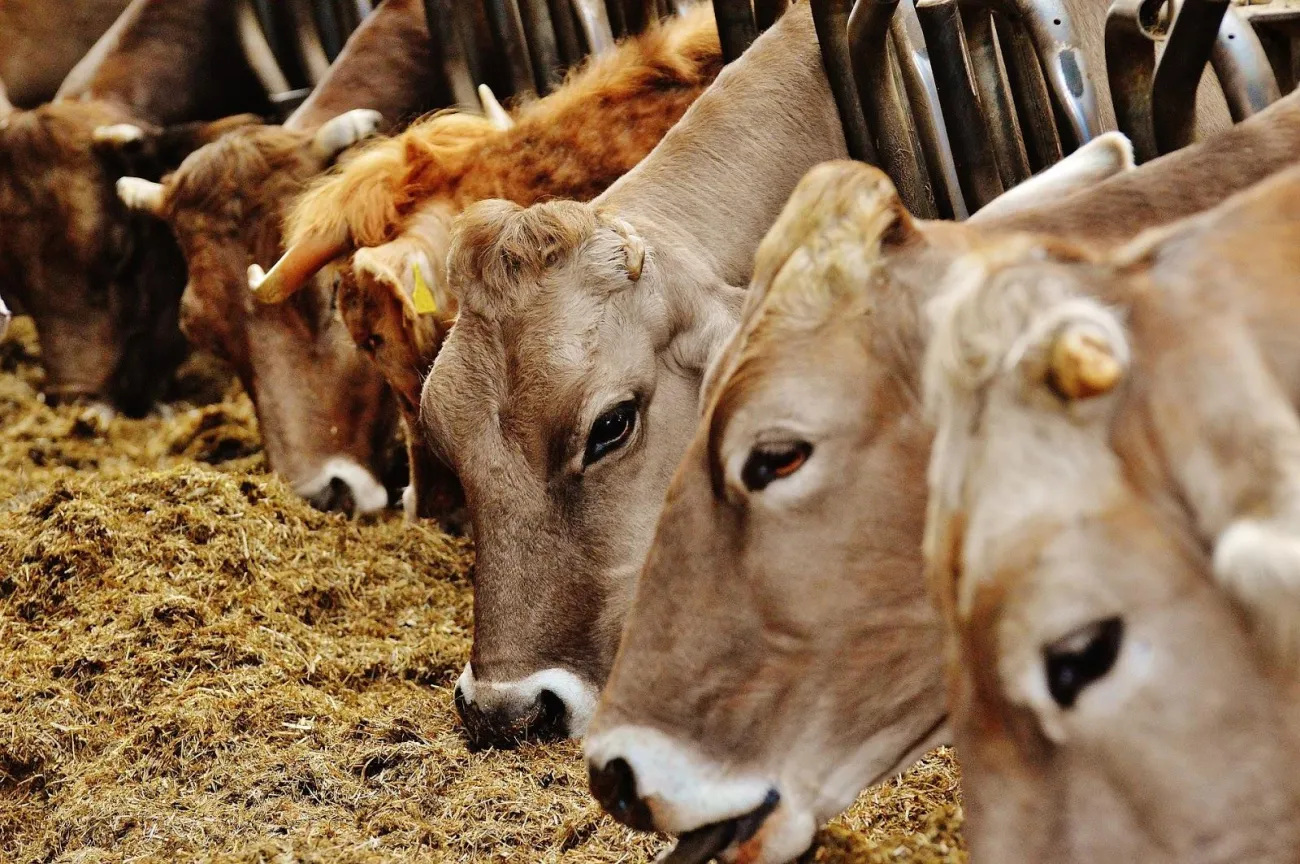
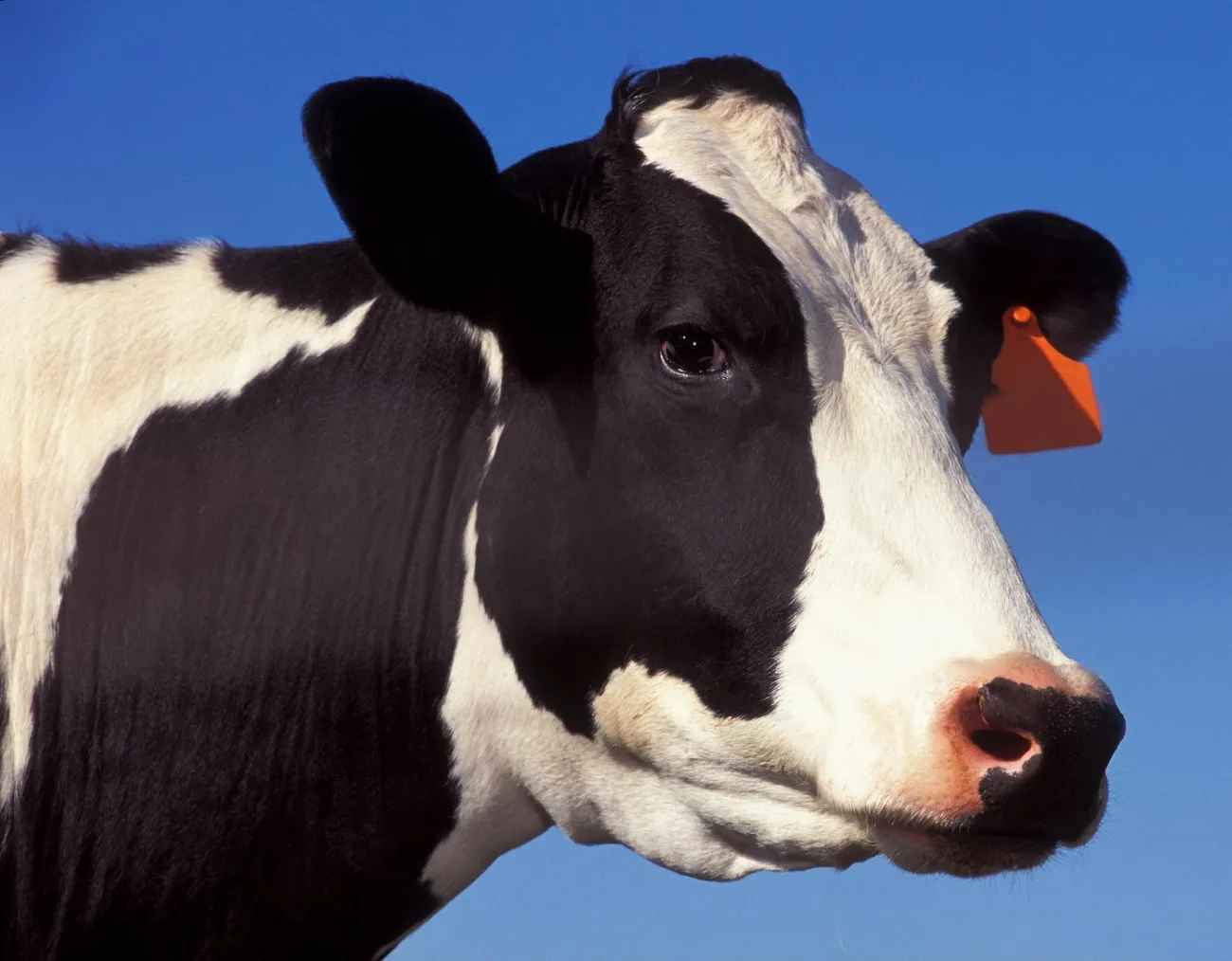
Image Resource Thanks to Trump, more US milk will be coming from robots Tougher immigration laws, the rising cost of labour and cheap credit could encourage dairy farms to use more robots, according to this article in Bloomberg. Read
Image Resource Special report: future of the food industry The Financial Times explores several emerging trends in the global food industry, including eating insects, new retail models in China, sugar taxes, food waste monitoring and genetically modified crops and animals. Read