Image Resources Our extensive research library contains thousands of summaries of journal articles, reports and news stories that can be searched by keyword and category RESOURCES CATEGORYBooksBriefing paperEvent recordingFeatured articlesFeatured reportGameJournal articlesNews and resourcesReportsThink pieceVideoWorking paperWorkshop summary YEAR201220132014201520162017201820192020202120222023202420252026 Image Journal articles Tropical forest fragmentation nearing critical point Tropical deforestation is nearing a critical point, beyond which the rate of forest fragmentation could increase much more rapidly than the rate of forest area loss, according to a study. Fragmentation can have negative effects on biodiversity and also increases carbon emissions beyond those from just the deforested areas, since trees are at greater risk of dying on the edges between forest and cleared land. The researchers predict that reforestation and a reduction in the rate of deforestation are both needed if fragmentation is to be reversed. Read Image Journal articles Balancing farmland intensification and biodiversity Intensifying agricultural production can make farmland less valuable for wildlife, says a new paper, but optimising land use (by intensifying agriculture in areas where it will cause the least biodiversity loss) can reduce the projected biodiversity loss by up to 88%. The winners and losers of this strategy depend on whether land use is optimised globally or nationally. Read Image Journal articles Global dietary guidelines and climate change The authors of this paper calculate the carbon footprint of various recommended healthy diets around the world and find that most recommendations are inconsistent with the 1.5°C climate target, and are probably also inconsistent with the 2.0°C target unless non-food sectors almost completely cut their carbon emissions by 2050. Annual per capita diet-related carbon footprints vary from 687 kg CO2 eq. for Indian vegetarian dietary guidelines to 1579 kg CO2 eq. for US dietary guidelines. Read Image News and resources Solar-powered greenhouses irrigated with seawater Wired explores the Seawater Greenhouse, which uses solar power to desalinate seawater for irrigating greenhouses, and inventor Charlie Paton’s quest to bring the technology to regions suffering drought and food insecurity. Read Image News and resources Nations agree to halve shipping emissions 173 countries have agreed to halve emissions from the global shipping industry by 2050, compared to 2008 levels, in a non-binding deal arranged by the International Maritime Organisation. Saudi Arabia, the US and several other countries raised objections to the proposed emissions cuts. Shipping was not covered by the 2015 Paris agreement on climate change. Read Image News and resources Supermarket Iceland cuts palm oil from own products Frozen food supermarket Iceland has pledged to remove palm oil from all of its own-brand lines by the end of 2018, citing concerns over collapsing orangutan populations and deforestation. The initiative - the first of its kind among major UK supermarkets - should reduce demand for palm oil by over 500 tonnes a year. Read Image News and resources Newsletter: Frontiers of Food - Nordic Food Policy Lab The Nordic Food Policy Lab, which collects and curates Nordic food policy solutions responding to the UN Agenda 2030 and the Sustainable Development Goals, has launched a new email newsletter, Frontiers of Food. The newsletter will contain the latest updates, thoughts and case studies on innovative food policy around the world. Read Image News and resources Resource Watch: new database The World Resources Institute has launched Resource Watch, an online tool for accessing and visualising data about resource use and sustainability issues around the world. Read Image Books The commons, plant breeding and agricultural research This book, edited by Fabien Girard and Christine Frison, shows how innovative legal frameworks could better support the need for diversity in crop varieties while maintaining incentives for agricultural innovation, with a particular focus on the concept of the commons. Read VIEW MORE
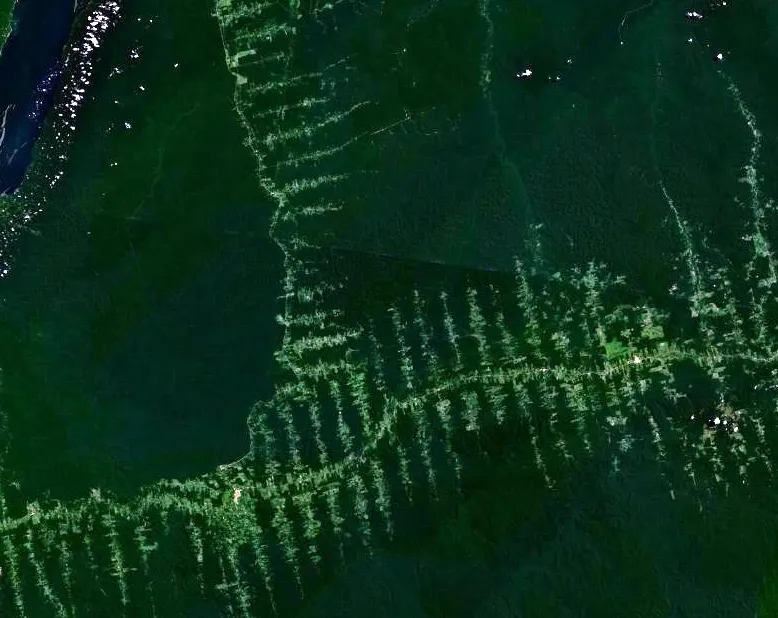
Image Journal articles Tropical forest fragmentation nearing critical point Tropical deforestation is nearing a critical point, beyond which the rate of forest fragmentation could increase much more rapidly than the rate of forest area loss, according to a study. Fragmentation can have negative effects on biodiversity and also increases carbon emissions beyond those from just the deforested areas, since trees are at greater risk of dying on the edges between forest and cleared land. The researchers predict that reforestation and a reduction in the rate of deforestation are both needed if fragmentation is to be reversed. Read
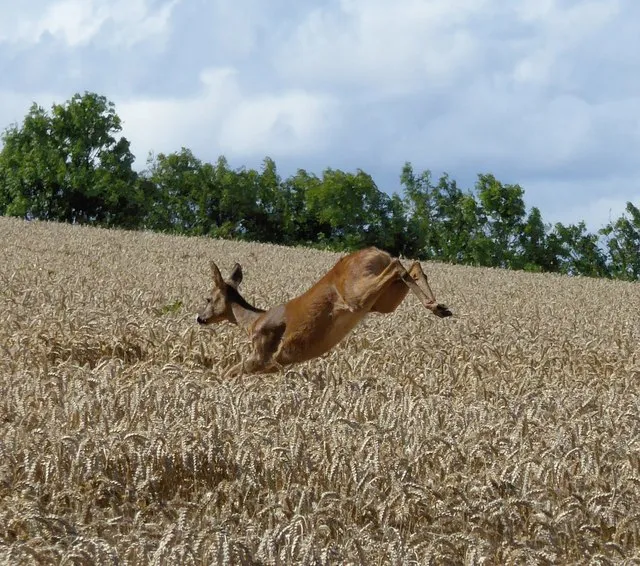
Image Journal articles Balancing farmland intensification and biodiversity Intensifying agricultural production can make farmland less valuable for wildlife, says a new paper, but optimising land use (by intensifying agriculture in areas where it will cause the least biodiversity loss) can reduce the projected biodiversity loss by up to 88%. The winners and losers of this strategy depend on whether land use is optimised globally or nationally. Read
Image Journal articles Global dietary guidelines and climate change The authors of this paper calculate the carbon footprint of various recommended healthy diets around the world and find that most recommendations are inconsistent with the 1.5°C climate target, and are probably also inconsistent with the 2.0°C target unless non-food sectors almost completely cut their carbon emissions by 2050. Annual per capita diet-related carbon footprints vary from 687 kg CO2 eq. for Indian vegetarian dietary guidelines to 1579 kg CO2 eq. for US dietary guidelines. Read
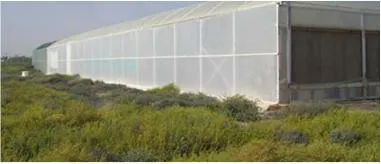
Image News and resources Solar-powered greenhouses irrigated with seawater Wired explores the Seawater Greenhouse, which uses solar power to desalinate seawater for irrigating greenhouses, and inventor Charlie Paton’s quest to bring the technology to regions suffering drought and food insecurity. Read
Image News and resources Nations agree to halve shipping emissions 173 countries have agreed to halve emissions from the global shipping industry by 2050, compared to 2008 levels, in a non-binding deal arranged by the International Maritime Organisation. Saudi Arabia, the US and several other countries raised objections to the proposed emissions cuts. Shipping was not covered by the 2015 Paris agreement on climate change. Read
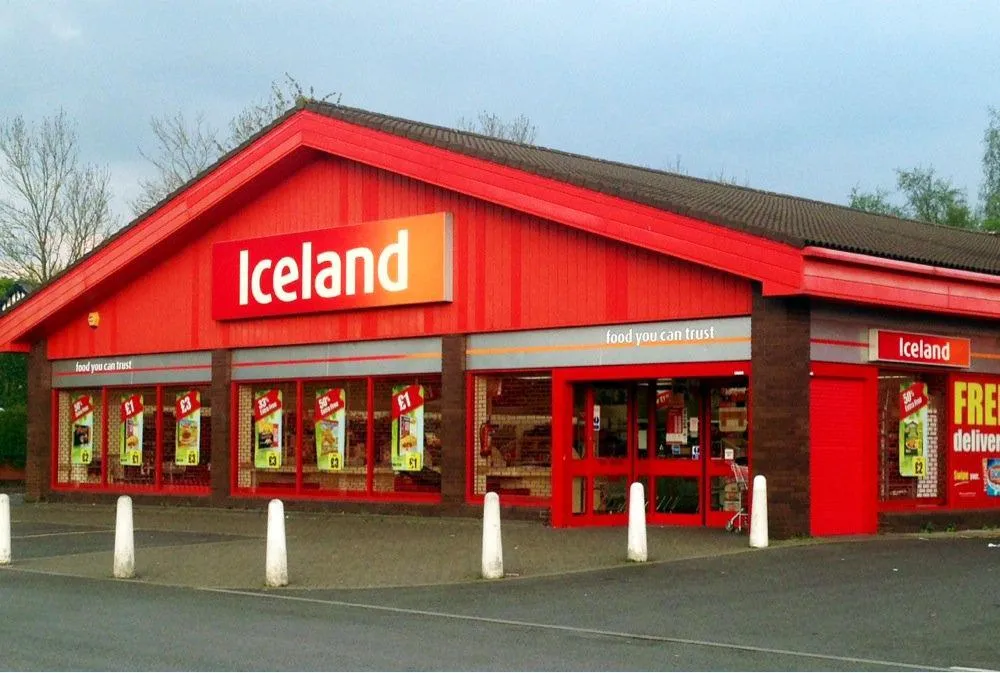
Image News and resources Supermarket Iceland cuts palm oil from own products Frozen food supermarket Iceland has pledged to remove palm oil from all of its own-brand lines by the end of 2018, citing concerns over collapsing orangutan populations and deforestation. The initiative - the first of its kind among major UK supermarkets - should reduce demand for palm oil by over 500 tonnes a year. Read
Image News and resources Newsletter: Frontiers of Food - Nordic Food Policy Lab The Nordic Food Policy Lab, which collects and curates Nordic food policy solutions responding to the UN Agenda 2030 and the Sustainable Development Goals, has launched a new email newsletter, Frontiers of Food. The newsletter will contain the latest updates, thoughts and case studies on innovative food policy around the world. Read
Image News and resources Resource Watch: new database The World Resources Institute has launched Resource Watch, an online tool for accessing and visualising data about resource use and sustainability issues around the world. Read
Image Books The commons, plant breeding and agricultural research This book, edited by Fabien Girard and Christine Frison, shows how innovative legal frameworks could better support the need for diversity in crop varieties while maintaining incentives for agricultural innovation, with a particular focus on the concept of the commons. Read