Image Resources Our extensive research library contains thousands of summaries of journal articles, reports and news stories that can be searched by keyword and category RESOURCES CATEGORYBooksBriefing paperEvent recordingFeatured articlesFeatured reportGameJournal articlesNews and resourcesReportsThink pieceVideoWorking paperWorkshop summary YEAR201220132014201520162017201820192020202120222023202420252026 Image News and resources Consumers prefer “plant-based” to “vegan” Consumers prefer the term “100% plant-based” to “vegan”, according to a survey of US adults. When asked a series of questions including “Which tastes better?” and “Which is healthier?”, more than two-thirds of respondents selected “100% plant-based” over “vegan” (no other answers were available). According to Bark Stuckey (President and Chief Innovation Officer of Mattson, the organisation that conducted the survey), the preference might be because “plant-based” is seen as a positive dietary change, whereas “vegan” is seen as a whole lifestyle associated with deprivation and activism. Read Image News and resources Helping black farmers keep their land In a feature in Civil Eats, agricultural attorney Jillian Hishaw describes some of the difficulties that black farmers have faced in the US, including systematic denial of loans, exclusion from disaster payments, and lack of official paperwork for land that was passed on from slave owners. Hishaw founded the Family Agriculture Resource Management Services (FARMS) to help farmers who are black or from other historically disadvantaged groups to keep their land. Read Image News and resources WHO plans to remove industrial trans fats from food supply The World Health Organisation (WHO) has set out a strategy for removing industrially-produced trans-fatty acids from the global food supply. WHO estimates that half a million people die each year because of cardiovascular disease caused by trans fat consumption. Artificial trans fat are found in partially hydrogenated vegetable oils (a process that gives liquid vegetable oils a higher melting point), while some natural trans fats are found in meat and dairy. Read Image Books Ecosystem services and poverty alleviation This open access book, edited by Kate Schreckenberg, Georgina Mace and Mahesh Poudyal, explores the link between ecosystems services and alleviating poverty. Topics include trade-offs associated with land intensification, population dynamics, governance for ecosystem health and human wellbeing, and payments for ecosystems services. Read Image Books The Oxford handbook of food ethics This book, edited by Anne Barnhill, Tyler Doggett, and Mark Budolfson, provides an overview of the philosophy of food ethics across a range of subject matter. Topics include genetically modified food, animal sentience, vegan and omnivorous diets, body image, global markets and activism. Read Image Reports UK food prices could rise without a post-Brexit trade deal The report “Brexit: food prices and availability” from the EU Energy and Environment Sub-Committee of the UK House of Lords examines the potential impacts of Brexit on the UK food supply. 30% of the UK food supply is currently imported from the EU and a further 11% from non-EU countries under terms set by EU trade deals. Read Image Reports Consumers do not notice on-pack sustainability claims Shoppers do not notice sustainability rating logos on packaging, according to a report by QuadPackaging and Package Insight. In the study, 60 participants had their eye movements tracked while “shopping” in a retail laboratory. The products they were presented with were fictional brands with logos claiming different levels of sustainability. The logos did not represent a real sustainability standard. While 40% of the participants said that sustainability affects their purchasing decisions, the eye-tracking technology showed that 92% of the participants did not notice the sustainability logos. Read Image Journal articles Global politics of “sustainable” palm oil This paper outlines the difficulties of governing the complex global palm oil supply chain, examines the narratives around the environmental and social sustainability of palm oil and analyses how power dynamics create a fragmented governance structure for palm oil. The author concludes that the palm oil industry has created a narrative in which only “unsustainable” palm oil production is to blame for negative environmental and social effects, and in which “sustainable” palm oil - and an increase in its production - is presented as being beneficial for conservation and local communities. Read Image Journal articles Global and local land use and the planetary boundaries The paper presents land use scenarios that provide enough food for 9 billion people, biodiversity protection and terrestrial carbon storage while staying inside the planetary boundaries for land and water use. The main features of these scenarios are improved agricultural productivity (through reducing the gap between current and maximum potential crop yields, and replacing some ruminant meat production with pork and poultry) and redistribution of agricultural production to areas with relatively high productivity and water supplies but low existing levels of biodiversity. Read VIEW MORE
Image News and resources Consumers prefer “plant-based” to “vegan” Consumers prefer the term “100% plant-based” to “vegan”, according to a survey of US adults. When asked a series of questions including “Which tastes better?” and “Which is healthier?”, more than two-thirds of respondents selected “100% plant-based” over “vegan” (no other answers were available). According to Bark Stuckey (President and Chief Innovation Officer of Mattson, the organisation that conducted the survey), the preference might be because “plant-based” is seen as a positive dietary change, whereas “vegan” is seen as a whole lifestyle associated with deprivation and activism. Read
Image News and resources Helping black farmers keep their land In a feature in Civil Eats, agricultural attorney Jillian Hishaw describes some of the difficulties that black farmers have faced in the US, including systematic denial of loans, exclusion from disaster payments, and lack of official paperwork for land that was passed on from slave owners. Hishaw founded the Family Agriculture Resource Management Services (FARMS) to help farmers who are black or from other historically disadvantaged groups to keep their land. Read
Image News and resources WHO plans to remove industrial trans fats from food supply The World Health Organisation (WHO) has set out a strategy for removing industrially-produced trans-fatty acids from the global food supply. WHO estimates that half a million people die each year because of cardiovascular disease caused by trans fat consumption. Artificial trans fat are found in partially hydrogenated vegetable oils (a process that gives liquid vegetable oils a higher melting point), while some natural trans fats are found in meat and dairy. Read
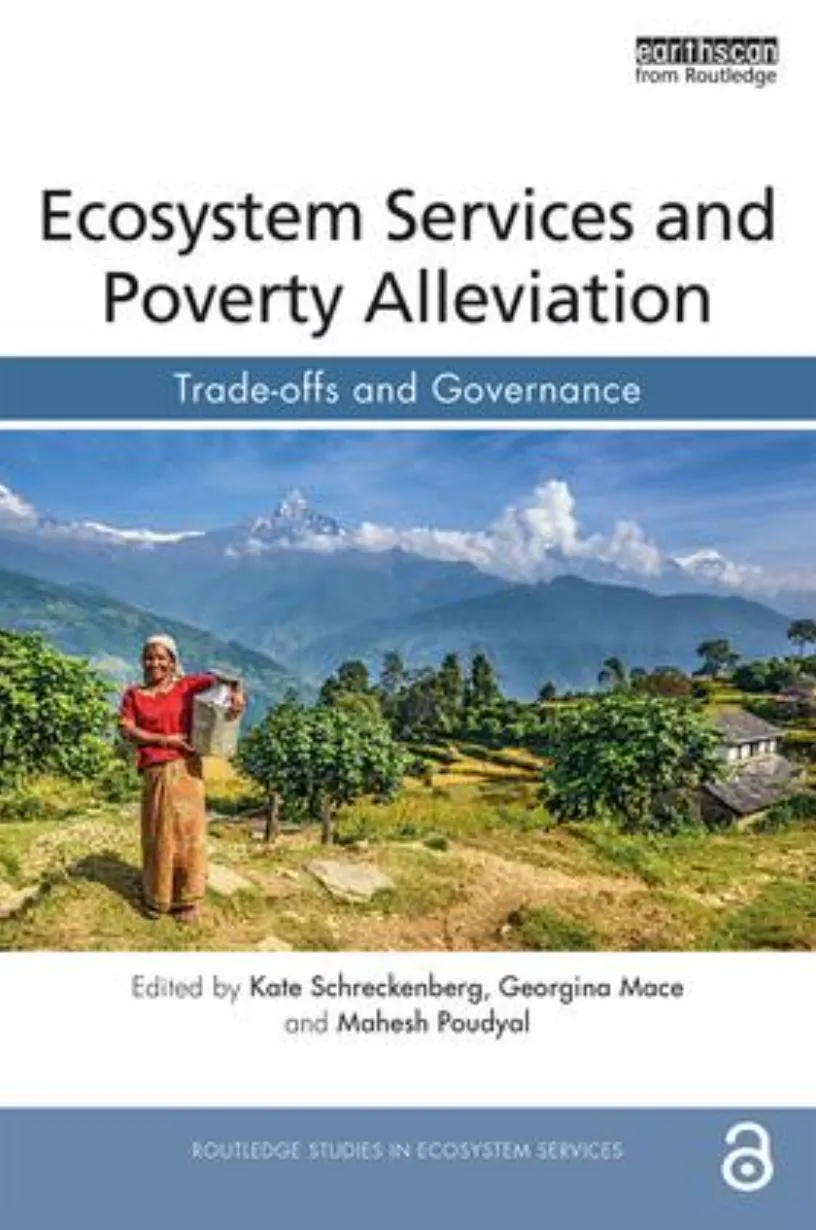
Image Books Ecosystem services and poverty alleviation This open access book, edited by Kate Schreckenberg, Georgina Mace and Mahesh Poudyal, explores the link between ecosystems services and alleviating poverty. Topics include trade-offs associated with land intensification, population dynamics, governance for ecosystem health and human wellbeing, and payments for ecosystems services. Read
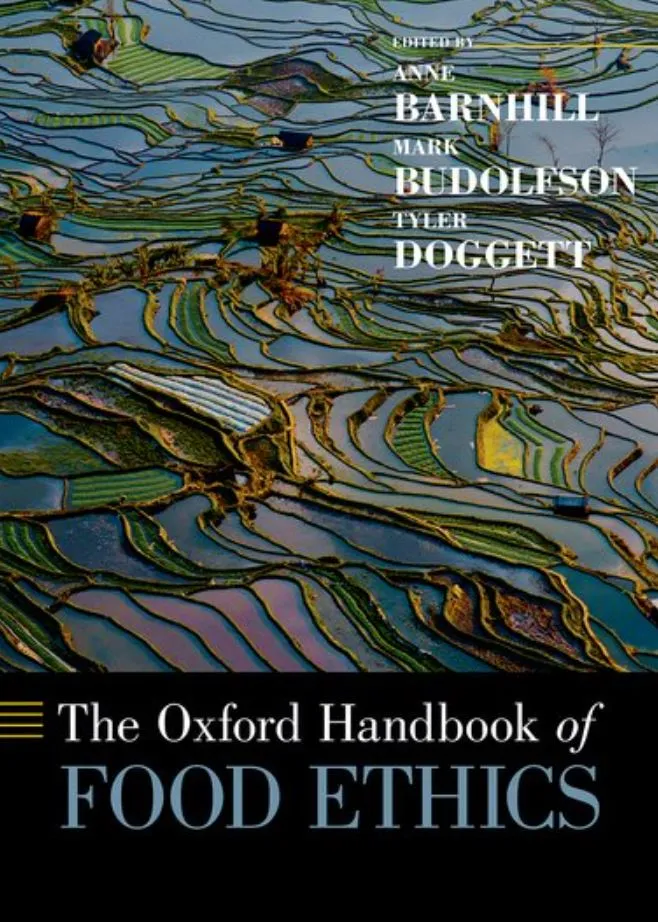
Image Books The Oxford handbook of food ethics This book, edited by Anne Barnhill, Tyler Doggett, and Mark Budolfson, provides an overview of the philosophy of food ethics across a range of subject matter. Topics include genetically modified food, animal sentience, vegan and omnivorous diets, body image, global markets and activism. Read
Image Reports UK food prices could rise without a post-Brexit trade deal The report “Brexit: food prices and availability” from the EU Energy and Environment Sub-Committee of the UK House of Lords examines the potential impacts of Brexit on the UK food supply. 30% of the UK food supply is currently imported from the EU and a further 11% from non-EU countries under terms set by EU trade deals. Read
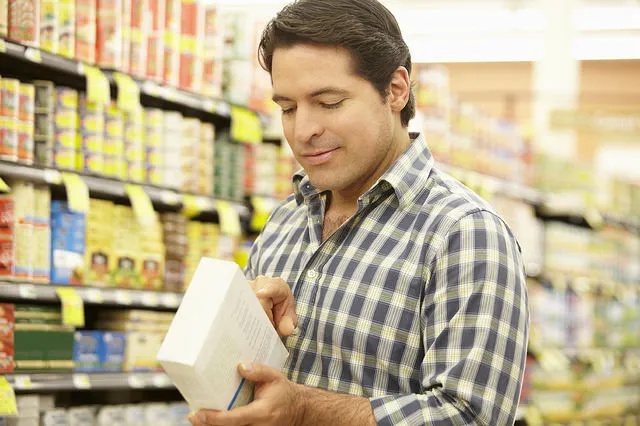
Image Reports Consumers do not notice on-pack sustainability claims Shoppers do not notice sustainability rating logos on packaging, according to a report by QuadPackaging and Package Insight. In the study, 60 participants had their eye movements tracked while “shopping” in a retail laboratory. The products they were presented with were fictional brands with logos claiming different levels of sustainability. The logos did not represent a real sustainability standard. While 40% of the participants said that sustainability affects their purchasing decisions, the eye-tracking technology showed that 92% of the participants did not notice the sustainability logos. Read
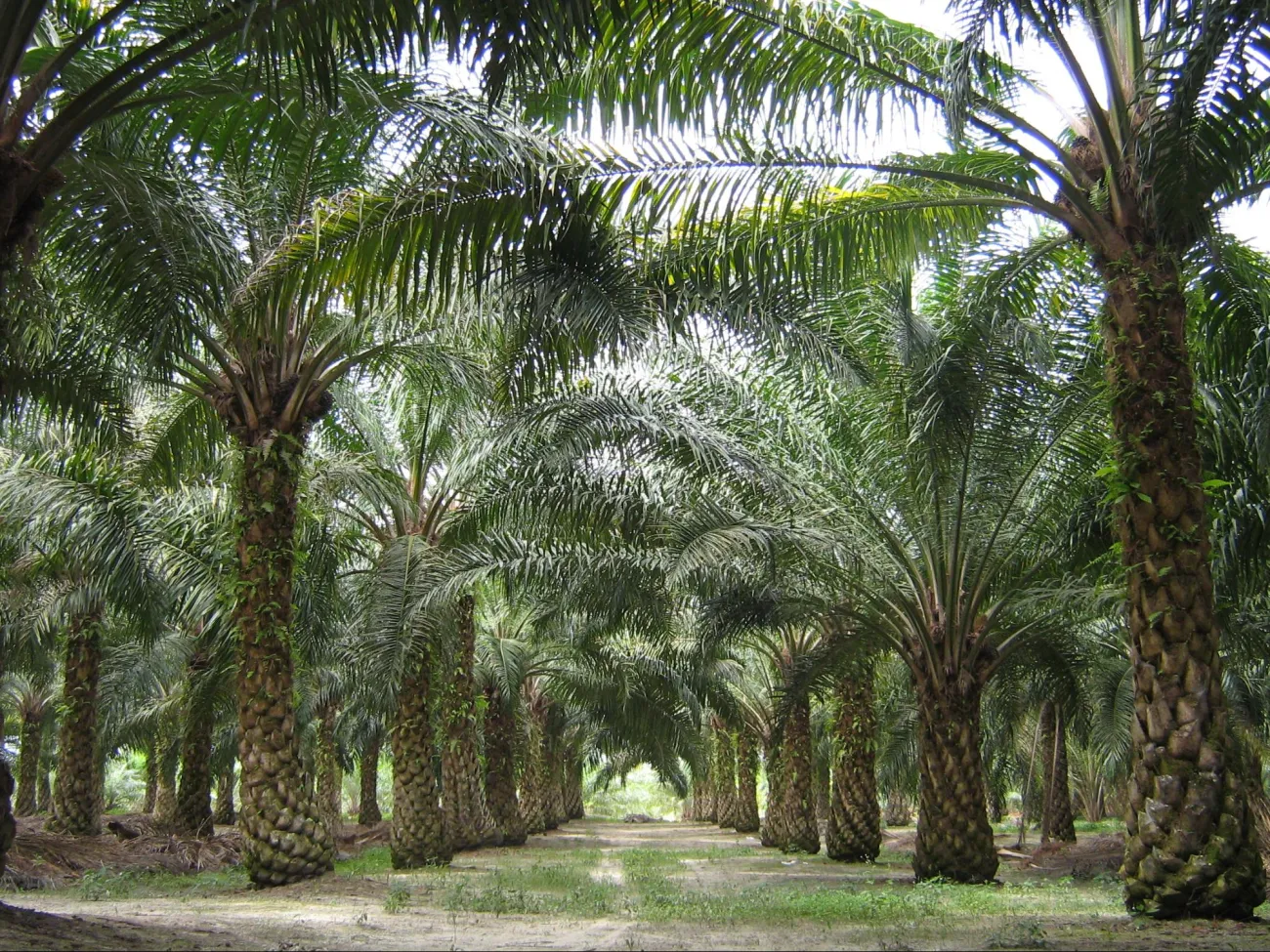
Image Journal articles Global politics of “sustainable” palm oil This paper outlines the difficulties of governing the complex global palm oil supply chain, examines the narratives around the environmental and social sustainability of palm oil and analyses how power dynamics create a fragmented governance structure for palm oil. The author concludes that the palm oil industry has created a narrative in which only “unsustainable” palm oil production is to blame for negative environmental and social effects, and in which “sustainable” palm oil - and an increase in its production - is presented as being beneficial for conservation and local communities. Read
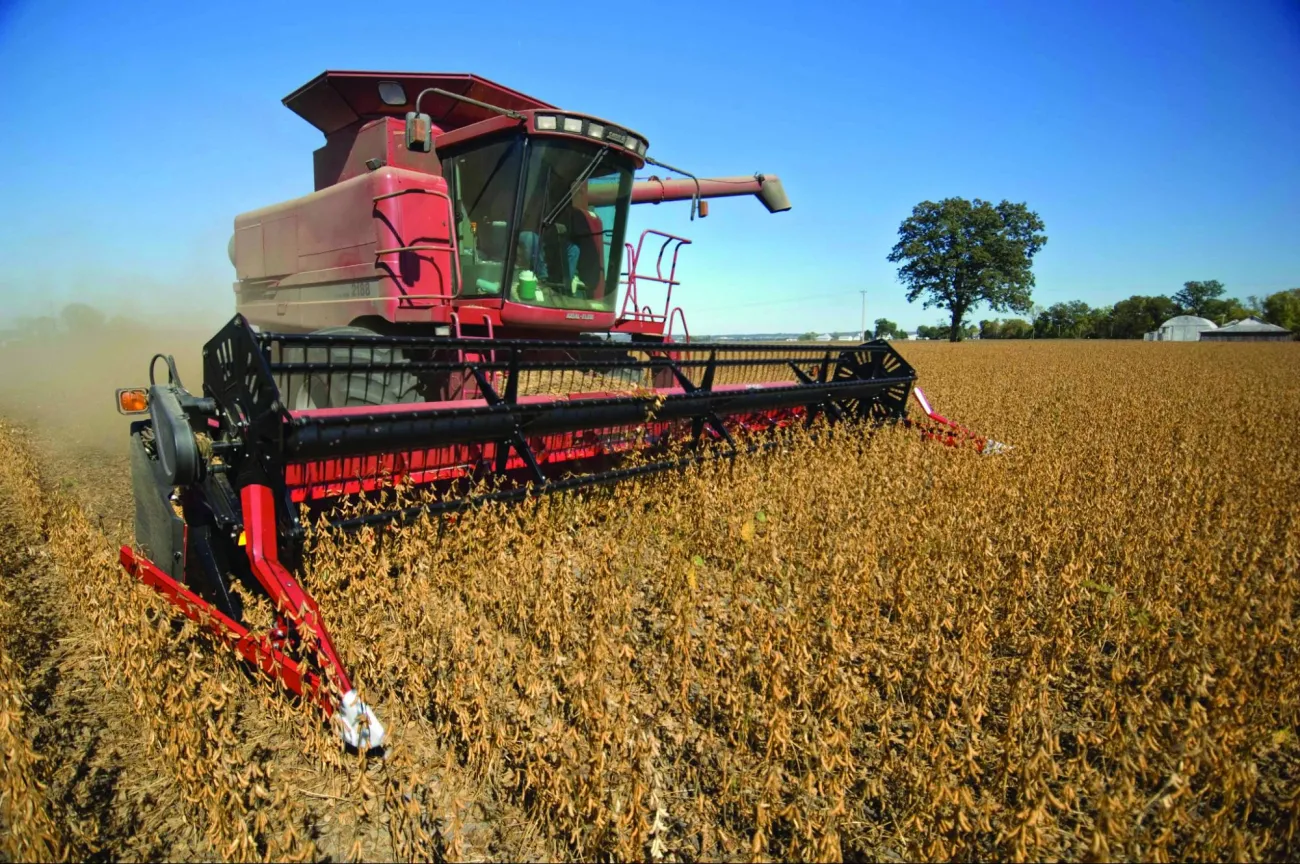
Image Journal articles Global and local land use and the planetary boundaries The paper presents land use scenarios that provide enough food for 9 billion people, biodiversity protection and terrestrial carbon storage while staying inside the planetary boundaries for land and water use. The main features of these scenarios are improved agricultural productivity (through reducing the gap between current and maximum potential crop yields, and replacing some ruminant meat production with pork and poultry) and redistribution of agricultural production to areas with relatively high productivity and water supplies but low existing levels of biodiversity. Read