Image Resources Our extensive research library contains thousands of summaries of journal articles, reports and news stories that can be searched by keyword and category RESOURCES CATEGORYBooksBriefing paperEvent recordingFeatured articlesFeatured reportGameJournal articlesNews and resourcesReportsThink pieceVideoWorking paperWorkshop summary YEAR201220132014201520162017201820192020202120222023202420252026 Image Reports The importance of agricultural biodiversity FCRN member Seth Cook of the International Institute for Environment and Development has written a discussion paper on the importance of agricultural biodiversity. The report notes that crop diversity is declining: today, just 30 crops supply 95% of food calories, with maize, rice, wheat and potatoes providing over 60%. For comparison, humans have domesticated or collected around 7000 species of food plants. Read Image Journal articles Restaurant menu design affects vegetarian food choice Redesigning restaurant menus to promote vegetarian dishes can change behaviour, but the effect depends on how frequently customers have eaten vegetarian food in the last week, according to an online survey. Presenting vegetarian dishes as the chef’s recommendation or using more appealing menu descriptions both make infrequent eaters of vegetarian foods more likely to choose the vegetarian option (compared to a control case), and frequent eaters of vegetarian foods less likely to do so. Putting vegetarian options in a separate menu section didn’t affect the choices made by infrequent eaters of vegetarian foods, but made those who eat them frequently less likely to choose a vegetarian dish. Read Image Journal articles Antifungal resistance challenges health and food security The emergence of disease-causing fungi that are resistant to antifungal drugs threatens both human health and food security, according to a recent paper. Some resistance has been found to every main class of agricultural fungicides and many medical antifungals used to treat humans and animals. The paper outlines some factors contributing to emerging resistance and makes some policy recommendations. Read Image News and resources Keeping food histories alive The FAO runs the Globally Important Agricultural Heritage Systems programme, which documents and protects traditional farming methods and systems from around the world. Systems included in the programme include agroforestry in northern Tanzania, floating gardens in Bangladesh and rice terraces in the Philippines. Read Image News and resources Dealing with incomplete knowledge in food systems In this IFSTAL blog post, Harley Pope of the University of Reading addresses some of the challenges of thinking about food systems that are too complex for any one person to understand fully. Read Image Books Beyond One Health: From recognition to results This book, edited by John A. Herrmann and Yvette J. Johnson-Walker, explores the One Health concept, which links the health of humans, animals and ecosystems. Topics covered include the links between biodiversity and health, food and water security, zoological institutions, One Health initiatives and the social cost of carbon. Read Image Books Food waste at consumer level This book, by Ludovica Principato, reviews information on consumer-level food waste, including the factors and behaviours affecting food waste levels, policies and initiatives. Read Image Reports Throwaway plastic and food waste in Europe A report by Friends of the Earth Europe finds that plastic food packaging is not a solution to growing levels of food waste in Europe, contrary to some claims that packaging can reduce food waste by extending the shelf life of foods. For example, using packaging to group food together in larger packs could encourage customers to buy more food than necessary. Another example is that green beans are often cut to fit into the packaging, causing losses of 30 to 40%. Read Image Reports The importance of pollination for international development Over two billion people in developing countries are smallholder farmers and often depend on pollinators, according to this report by the UK Collaborative on Development Sciences. The report finds that insufficient pollination has already been found across many crops in the developing world, which could negatively affect cash crops (such as coffee and cocoa) and intake of nutritious foods such as fruit and nuts. The report points to a lack of data on pollinators in developing countries, and calls for further research, education programmes and sustainable development projects incorporating bee-keeping. Read VIEW MORE
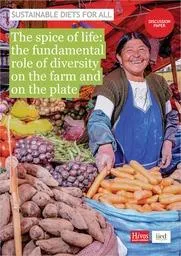
Image Reports The importance of agricultural biodiversity FCRN member Seth Cook of the International Institute for Environment and Development has written a discussion paper on the importance of agricultural biodiversity. The report notes that crop diversity is declining: today, just 30 crops supply 95% of food calories, with maize, rice, wheat and potatoes providing over 60%. For comparison, humans have domesticated or collected around 7000 species of food plants. Read
Image Journal articles Restaurant menu design affects vegetarian food choice Redesigning restaurant menus to promote vegetarian dishes can change behaviour, but the effect depends on how frequently customers have eaten vegetarian food in the last week, according to an online survey. Presenting vegetarian dishes as the chef’s recommendation or using more appealing menu descriptions both make infrequent eaters of vegetarian foods more likely to choose the vegetarian option (compared to a control case), and frequent eaters of vegetarian foods less likely to do so. Putting vegetarian options in a separate menu section didn’t affect the choices made by infrequent eaters of vegetarian foods, but made those who eat them frequently less likely to choose a vegetarian dish. Read
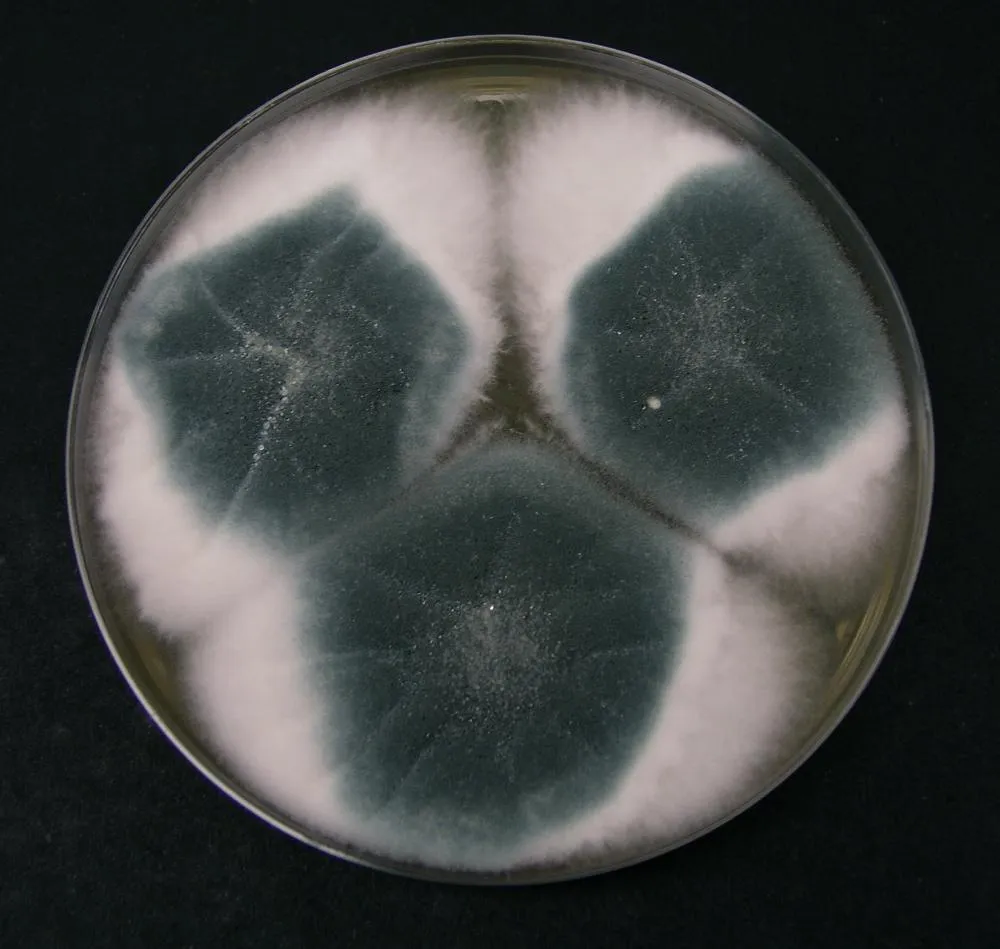
Image Journal articles Antifungal resistance challenges health and food security The emergence of disease-causing fungi that are resistant to antifungal drugs threatens both human health and food security, according to a recent paper. Some resistance has been found to every main class of agricultural fungicides and many medical antifungals used to treat humans and animals. The paper outlines some factors contributing to emerging resistance and makes some policy recommendations. Read
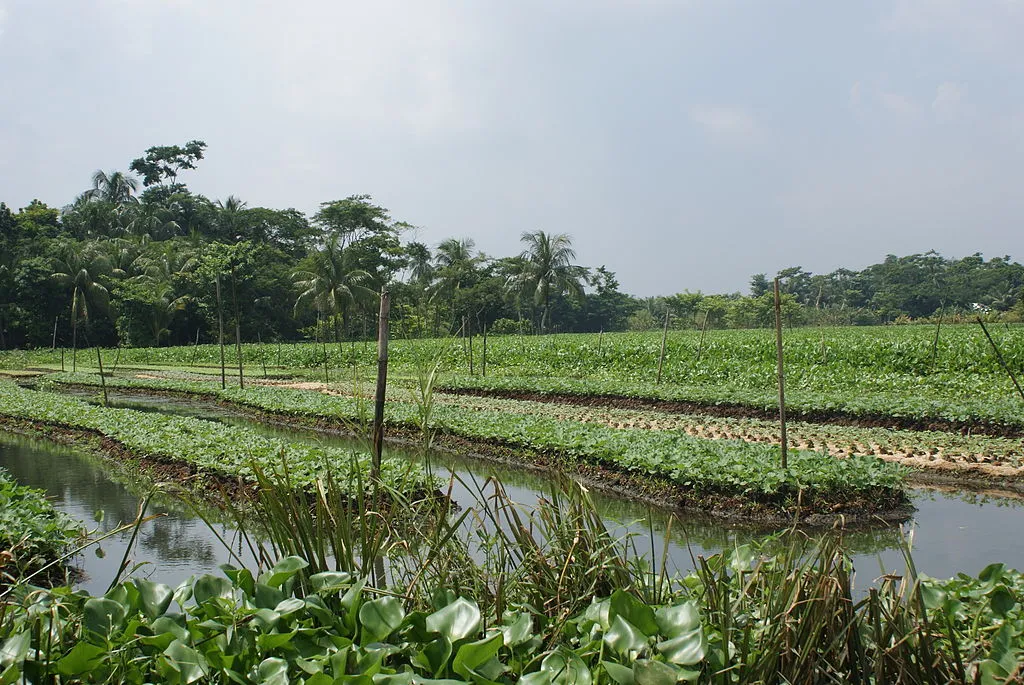
Image News and resources Keeping food histories alive The FAO runs the Globally Important Agricultural Heritage Systems programme, which documents and protects traditional farming methods and systems from around the world. Systems included in the programme include agroforestry in northern Tanzania, floating gardens in Bangladesh and rice terraces in the Philippines. Read
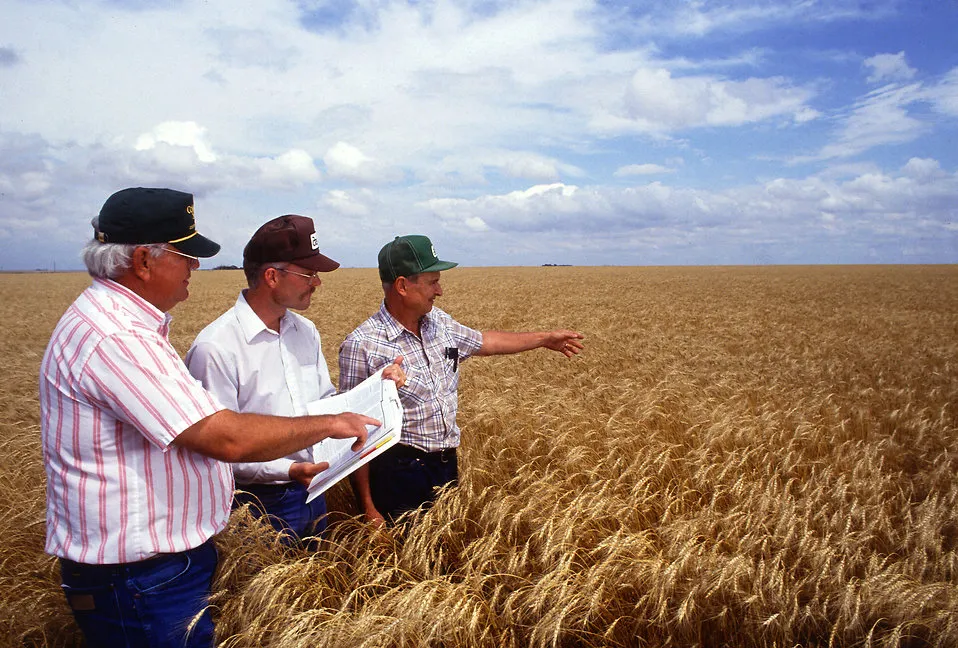
Image News and resources Dealing with incomplete knowledge in food systems In this IFSTAL blog post, Harley Pope of the University of Reading addresses some of the challenges of thinking about food systems that are too complex for any one person to understand fully. Read
Image Books Beyond One Health: From recognition to results This book, edited by John A. Herrmann and Yvette J. Johnson-Walker, explores the One Health concept, which links the health of humans, animals and ecosystems. Topics covered include the links between biodiversity and health, food and water security, zoological institutions, One Health initiatives and the social cost of carbon. Read
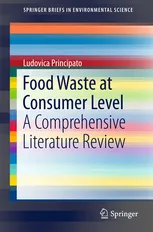
Image Books Food waste at consumer level This book, by Ludovica Principato, reviews information on consumer-level food waste, including the factors and behaviours affecting food waste levels, policies and initiatives. Read
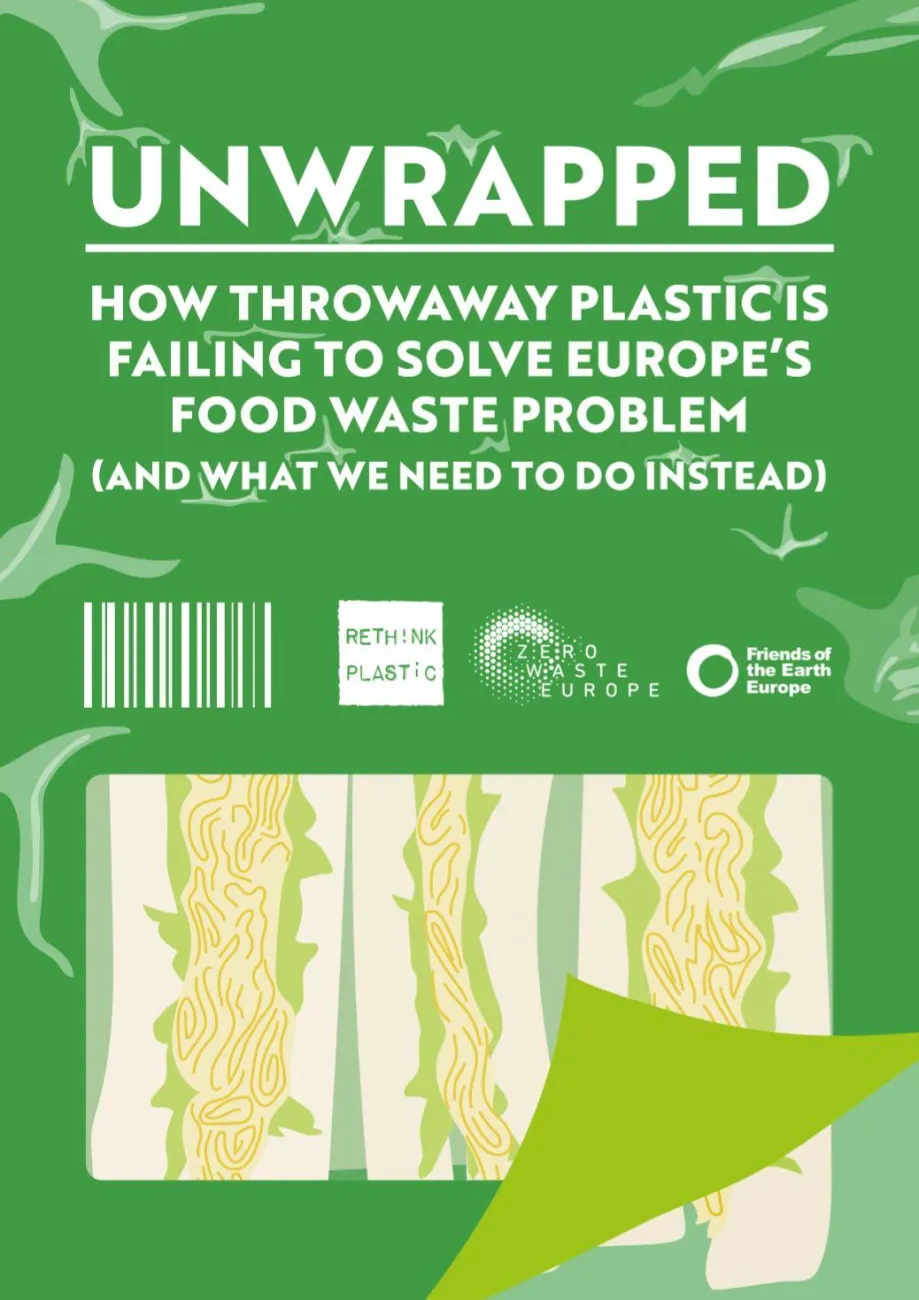
Image Reports Throwaway plastic and food waste in Europe A report by Friends of the Earth Europe finds that plastic food packaging is not a solution to growing levels of food waste in Europe, contrary to some claims that packaging can reduce food waste by extending the shelf life of foods. For example, using packaging to group food together in larger packs could encourage customers to buy more food than necessary. Another example is that green beans are often cut to fit into the packaging, causing losses of 30 to 40%. Read
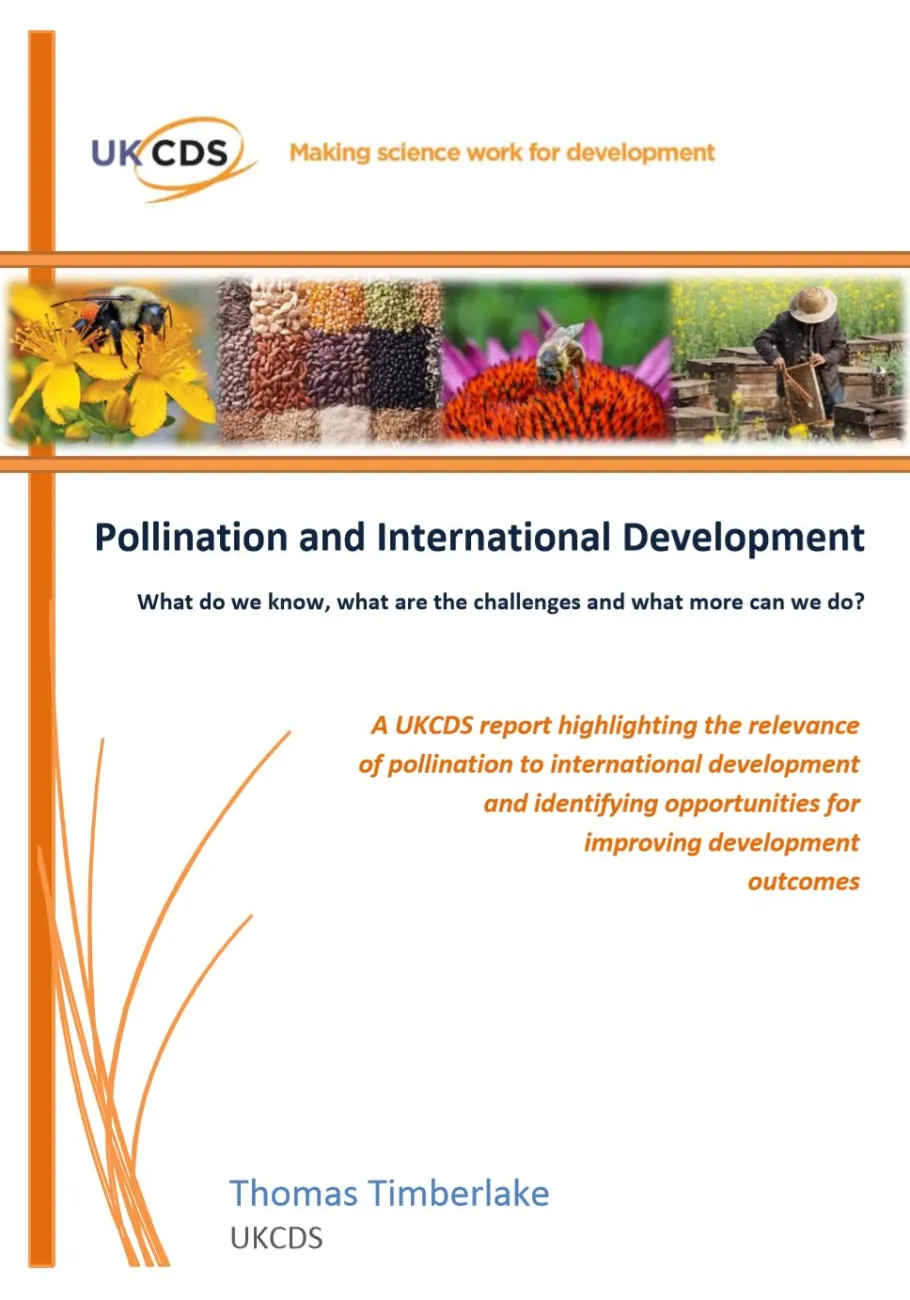
Image Reports The importance of pollination for international development Over two billion people in developing countries are smallholder farmers and often depend on pollinators, according to this report by the UK Collaborative on Development Sciences. The report finds that insufficient pollination has already been found across many crops in the developing world, which could negatively affect cash crops (such as coffee and cocoa) and intake of nutritious foods such as fruit and nuts. The report points to a lack of data on pollinators in developing countries, and calls for further research, education programmes and sustainable development projects incorporating bee-keeping. Read