Image Resources Our extensive research library contains thousands of summaries of journal articles, reports and news stories that can be searched by keyword and category RESOURCES CATEGORYBooksBriefing paperEvent recordingFeatured articlesFeatured reportGameJournal articlesNews and resourcesReportsThink pieceVideoWorking paperWorkshop summary YEAR201220132014201520162017201820192020202120222023202420252026 Image Journal articles GHG emissions and energy use from individual US diets FCRN member Martin Heller of the Centre for Sustainable Systems at the University of Michigan has calculated the greenhouse gas emissions (GHGEs) and energy demand associated with the diets of individuals in the US, based on a one day dietary recall survey. The highest-emitting 20% of diets are responsible for 46% of diet-related GHGEs, while the lowest-emitting 20% of diets cause 6% of diet-related GHGEs. The food types causing the highest percentage of GHGEs are meats (57%), dairy (18%), beverages (6%) and fish and seafood (6%). Read Image Journal articles Greenhouse gas emissions from US household food choices This paper estimates greenhouse gas emissions (GHGEs) associated with the food purchased by US households (based on survey data) and examines the links between food GHGEs and demographic factors. It suggests that education on the links between food and climate could be targeted at more educated and more affluent consumers, since their research shows (see below) that the these households have more GHGE-intensive dietary patterns. Read Image Journal articles Defining a land boundary for sustainable livestock consumption This paper, by FCRN member Hannah van Zanten (and whose authors include FCRN director Tara Garnett), calculates that a food system where livestock are fed only on food waste and industrial and agricultural by-products could provide 9 to 23 g of animal protein to the daily human diet (compared to daily protein needs of 50 to 60 g per person) while using one quarter less land than a food system with no livestock. The paper notes that the waste-fed livestock system could allow people in Asia and Africa to increase their consumption of animal protein, but that current consumption levels in other areas are higher than would be possible under a waste-fed livestock system. Read Image Journal articles Climate change to threaten biodiversity more than land use A new paper examines how both climate change and land use could affect future biodiversity. It finds that, by 2070, climate change could become a greater driver of species loss than land use change. Climate change alone could cause species loss of 11% to 29% relative to 1961-1960, depending on the severity of temperature rise. Read Image News and resources Op-Ed: Trees in pastures can draw down carbon FCRN member Eric Toensmeier, of Yale University, has written an op-ed for the Washington Post in which he discusses the potential of silvopasture - including trees on grazing land - to reduce agricultural emissions. Trees increase production by providing shade to livestock, according to the op-ed. Read Image News and resources Video and images: Artificial glaciers for irrigation A project in Ladakh, India, creates “ice stupas”, a form of artificial glacier, to complement intermittent water flow from retreating natural glaciers. Water from streams is sprayed from vertical pipes during the winter, freezing into pointed mounds, which melt slowly throughout the year, irrigating crops in the summer. Read Image News and resources $63 billion Bayer-Monsanto merger approved Bayer, the German pharmaceutical and life sciences multinational, has bought US agribusiness Monsanto in a $63 billion deal after receiving approval from antitrust regulatory authorities. The US Department of Justice required Bayer to sell some of its crop science assets to BASF as a condition of approving the merger. Read Image News and resources Video: Reducing the carbon footprint of beef The FCRN’s Tara Garnett is featured in this video by UK climate website Carbon Brief, which discusses how farmers could reduce the carbon footprint of beef production. Tara points out that production-side measures only go so far, and that consumption changes are needed as well. Read Image News and resources How should we be eating now? The FCRN’s Tara Garnett was interviewed for a piece on the difficulties of eating ethically by UK newspaper the Evening Standard. The piece, which discusses meat replacements, lab-grown meat and trade standards, also features Dan Crossley of the Food Ethics Council and Kath Dalmeny of Sustain. Read VIEW MORE
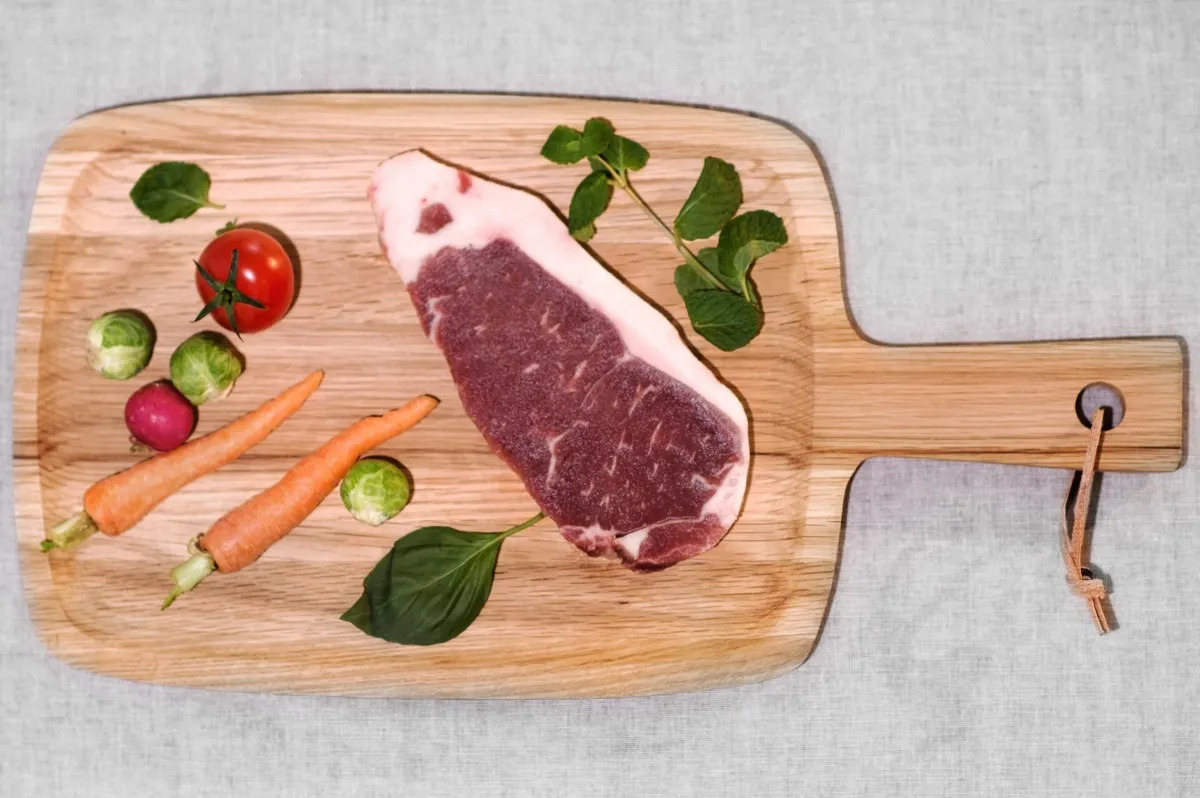
Image Journal articles GHG emissions and energy use from individual US diets FCRN member Martin Heller of the Centre for Sustainable Systems at the University of Michigan has calculated the greenhouse gas emissions (GHGEs) and energy demand associated with the diets of individuals in the US, based on a one day dietary recall survey. The highest-emitting 20% of diets are responsible for 46% of diet-related GHGEs, while the lowest-emitting 20% of diets cause 6% of diet-related GHGEs. The food types causing the highest percentage of GHGEs are meats (57%), dairy (18%), beverages (6%) and fish and seafood (6%). Read
Image Journal articles Greenhouse gas emissions from US household food choices This paper estimates greenhouse gas emissions (GHGEs) associated with the food purchased by US households (based on survey data) and examines the links between food GHGEs and demographic factors. It suggests that education on the links between food and climate could be targeted at more educated and more affluent consumers, since their research shows (see below) that the these households have more GHGE-intensive dietary patterns. Read
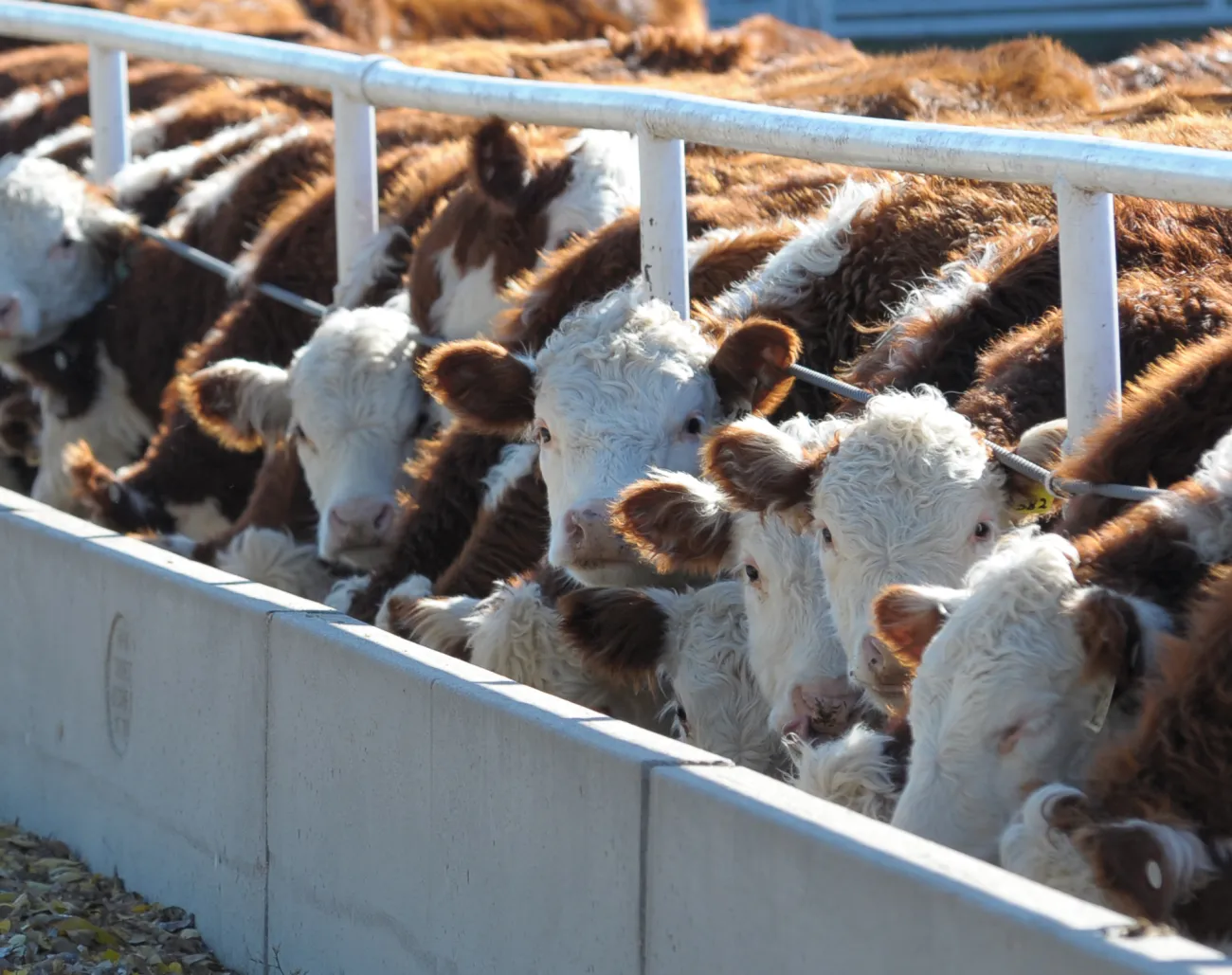
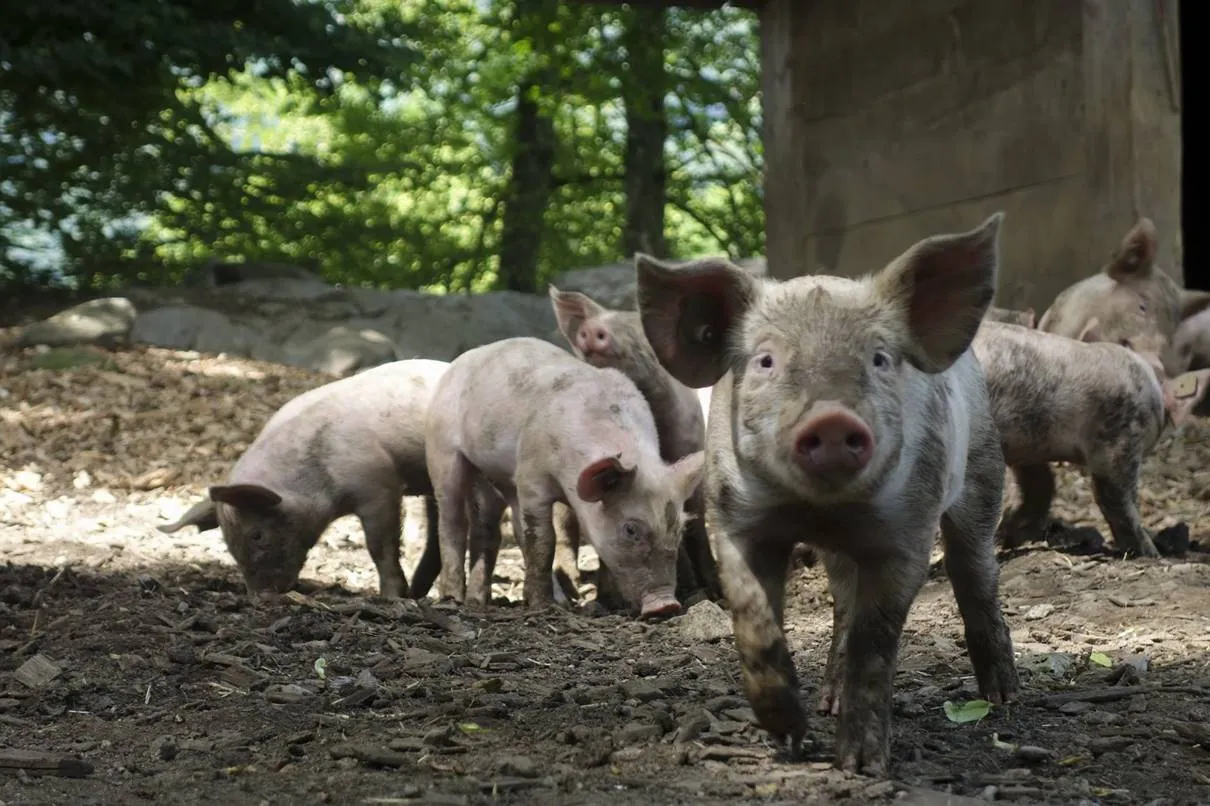
Image Journal articles Defining a land boundary for sustainable livestock consumption This paper, by FCRN member Hannah van Zanten (and whose authors include FCRN director Tara Garnett), calculates that a food system where livestock are fed only on food waste and industrial and agricultural by-products could provide 9 to 23 g of animal protein to the daily human diet (compared to daily protein needs of 50 to 60 g per person) while using one quarter less land than a food system with no livestock. The paper notes that the waste-fed livestock system could allow people in Asia and Africa to increase their consumption of animal protein, but that current consumption levels in other areas are higher than would be possible under a waste-fed livestock system. Read
Image Journal articles Climate change to threaten biodiversity more than land use A new paper examines how both climate change and land use could affect future biodiversity. It finds that, by 2070, climate change could become a greater driver of species loss than land use change. Climate change alone could cause species loss of 11% to 29% relative to 1961-1960, depending on the severity of temperature rise. Read
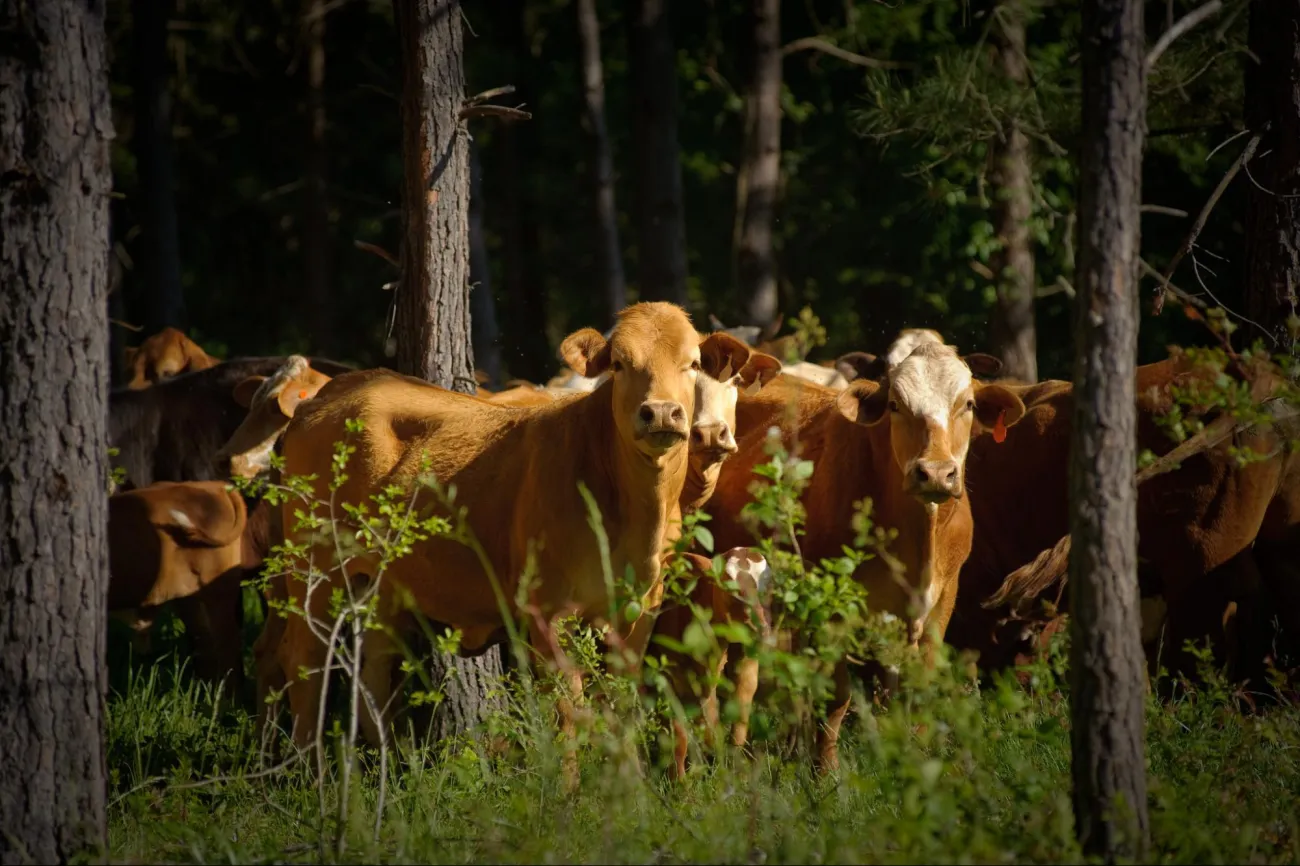
Image News and resources Op-Ed: Trees in pastures can draw down carbon FCRN member Eric Toensmeier, of Yale University, has written an op-ed for the Washington Post in which he discusses the potential of silvopasture - including trees on grazing land - to reduce agricultural emissions. Trees increase production by providing shade to livestock, according to the op-ed. Read
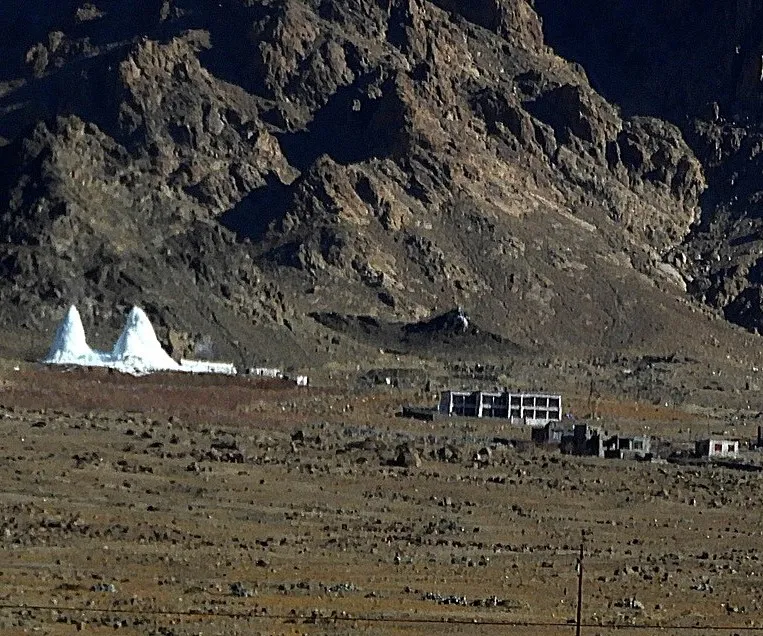
Image News and resources Video and images: Artificial glaciers for irrigation A project in Ladakh, India, creates “ice stupas”, a form of artificial glacier, to complement intermittent water flow from retreating natural glaciers. Water from streams is sprayed from vertical pipes during the winter, freezing into pointed mounds, which melt slowly throughout the year, irrigating crops in the summer. Read
Image News and resources $63 billion Bayer-Monsanto merger approved Bayer, the German pharmaceutical and life sciences multinational, has bought US agribusiness Monsanto in a $63 billion deal after receiving approval from antitrust regulatory authorities. The US Department of Justice required Bayer to sell some of its crop science assets to BASF as a condition of approving the merger. Read
Image News and resources Video: Reducing the carbon footprint of beef The FCRN’s Tara Garnett is featured in this video by UK climate website Carbon Brief, which discusses how farmers could reduce the carbon footprint of beef production. Tara points out that production-side measures only go so far, and that consumption changes are needed as well. Read
Image News and resources How should we be eating now? The FCRN’s Tara Garnett was interviewed for a piece on the difficulties of eating ethically by UK newspaper the Evening Standard. The piece, which discusses meat replacements, lab-grown meat and trade standards, also features Dan Crossley of the Food Ethics Council and Kath Dalmeny of Sustain. Read