Image Resources Our extensive research library contains thousands of summaries of journal articles, reports and news stories that can be searched by keyword and category RESOURCES CATEGORYBooksBriefing paperEvent recordingFeatured articlesFeatured reportGameJournal articlesNews and resourcesReportsThink pieceVideoWorking paperWorkshop summary YEAR201220132014201520162017201820192020202120222023202420252026 Image Journal articles Wealthy countries dominate industrial fishing The vast majority of industrial fishing (defined as fishing vessels of over 24 metres) is done by vessels that are registered to relatively wealthy countries, according to a recent paper. Vessels registered to high income and upper middle income countries (according to World Bank classifications) accounted for 97% of industrial fishing effort in international waters and 78% of industrial fishing effort in the national waters of poorer countries. China, Taiwan, Japan, South Korea, and Spain together account for most of the fishing effort. Read Image News and resources High tech scarecrow: Lasers deter birds from taking crops Lasers might replace poison or shotguns to stop birds from eating fruit crops, according to some farmers who have used automated laser systems to successfully defend their crops. The systems are also quieter than propane cannons and more reliable than trained falcons. However, it isn’t clear whether the lasers can harm birds’ eyes. Read Image News and resources Commentary: Veganism isn’t the answer Writing in the Guardian, Isabella Tree of Knepp Castle Estate argues that vegan diets ignore the potential of wildlife-friendly livestock grazing methods. Tree claims that not using anti-worming agents or antibiotics allows cow dung to feed various soil organisms, contributing to soil restoration and wildlife diversity. Read Image Books Gender and food: A critical look at the food system (gender lens) This book, by Shelley Koch, looks at how gender intersects with the different stages of the food supply chain. Read Image Books Quantification of sustainability indicators in the food sector This book, edited by Subramanian Senthilkannan Muthu, examines the development and implementation of a variety of indicators of sustainability for the food system. Read Image Reports Case studies in forest and landscape restoration The Global Partnership on Forest and Landscape Restoration’s report “Restoring forests and landscapes: the key to a sustainable future” presents case studies of the successful restoration of landscapes that have been affected by deforestation and land degradation. Read Image Reports New Zealand’s methane emissions from livestock New Zealand’s Parliamentary Commissioner for the Environment has released a report exploring how much and over what timescale the climate is affected by methane emissions from livestock. It focused on two questions. First,if methane emissions from livestock were held at current levels or followed business-as-usual trajectories, what would their contribution to future warming be? Second, what reduction in methane emissions from livestock would be needed so that they cause no additional contribution to warming? Read Image Reports WWF examines on-farm crop losses The World Wildlife Fund has released a report measuring on-farm crop waste at various locations in the United States. During the 2017-18 growing season, 40% of tomatoes, 39% of peaches, 2% of potatoes and 56% of romaine lettuce were left in the field. Causes of waste at the farm stage include strict quality standards, damage due to weather, variable consumption patterns and unpredictable labour supply. Some growers pointed out, however, that the nutrients in on-farm waste food are almost always recycled, e.g. as animal feed or by ploughing the waste back into the field. Read Image Reports Affordability of the UK’s Eatwell Guide 14.4 million households don’t currently spend enough on food to follow the UK’s Eatwell Guide recommendations for a healthy diet, according to a report released by the UK-based Food Foundation. The report estimates that a household of two adults and two children (aged 10 and 15) would have to spend £103.17 per week to follow the Eatwell Guide. To meet the Eatwell Guide recommendations, the poorest 50% of households would have to spend around 30% of their disposable income (after tax and housing costs), while the richest 50% of households would have to spend around 12% of their disposable income. Read VIEW MORE
Image Journal articles Wealthy countries dominate industrial fishing The vast majority of industrial fishing (defined as fishing vessels of over 24 metres) is done by vessels that are registered to relatively wealthy countries, according to a recent paper. Vessels registered to high income and upper middle income countries (according to World Bank classifications) accounted for 97% of industrial fishing effort in international waters and 78% of industrial fishing effort in the national waters of poorer countries. China, Taiwan, Japan, South Korea, and Spain together account for most of the fishing effort. Read
Image News and resources High tech scarecrow: Lasers deter birds from taking crops Lasers might replace poison or shotguns to stop birds from eating fruit crops, according to some farmers who have used automated laser systems to successfully defend their crops. The systems are also quieter than propane cannons and more reliable than trained falcons. However, it isn’t clear whether the lasers can harm birds’ eyes. Read
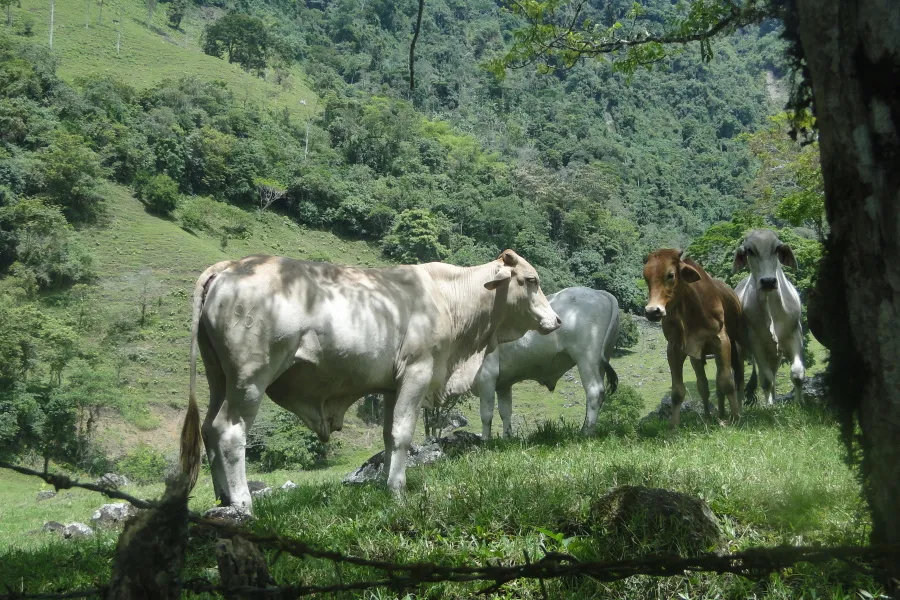
Image News and resources Commentary: Veganism isn’t the answer Writing in the Guardian, Isabella Tree of Knepp Castle Estate argues that vegan diets ignore the potential of wildlife-friendly livestock grazing methods. Tree claims that not using anti-worming agents or antibiotics allows cow dung to feed various soil organisms, contributing to soil restoration and wildlife diversity. Read
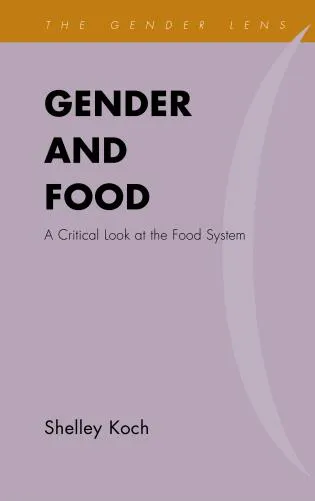
Image Books Gender and food: A critical look at the food system (gender lens) This book, by Shelley Koch, looks at how gender intersects with the different stages of the food supply chain. Read
Image Books Quantification of sustainability indicators in the food sector This book, edited by Subramanian Senthilkannan Muthu, examines the development and implementation of a variety of indicators of sustainability for the food system. Read
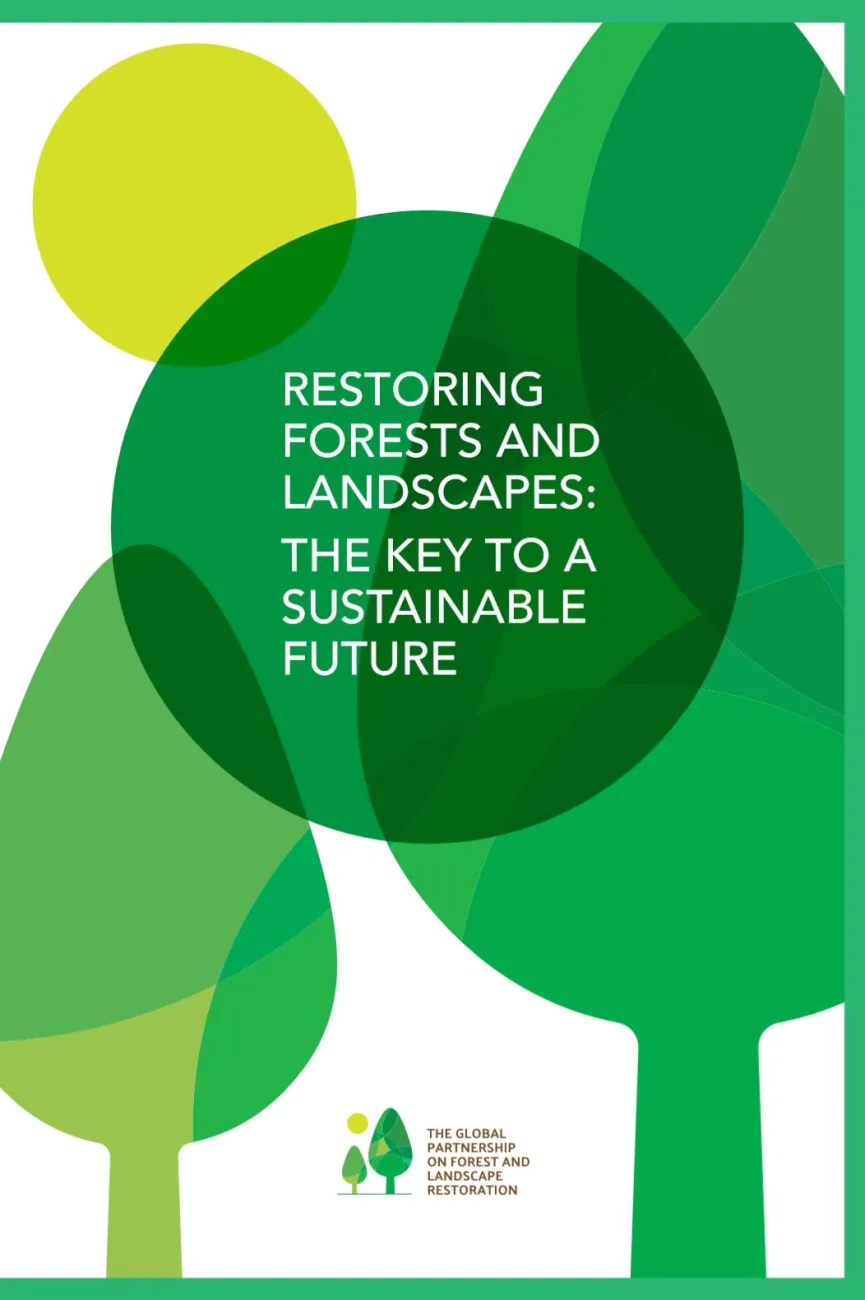
Image Reports Case studies in forest and landscape restoration The Global Partnership on Forest and Landscape Restoration’s report “Restoring forests and landscapes: the key to a sustainable future” presents case studies of the successful restoration of landscapes that have been affected by deforestation and land degradation. Read
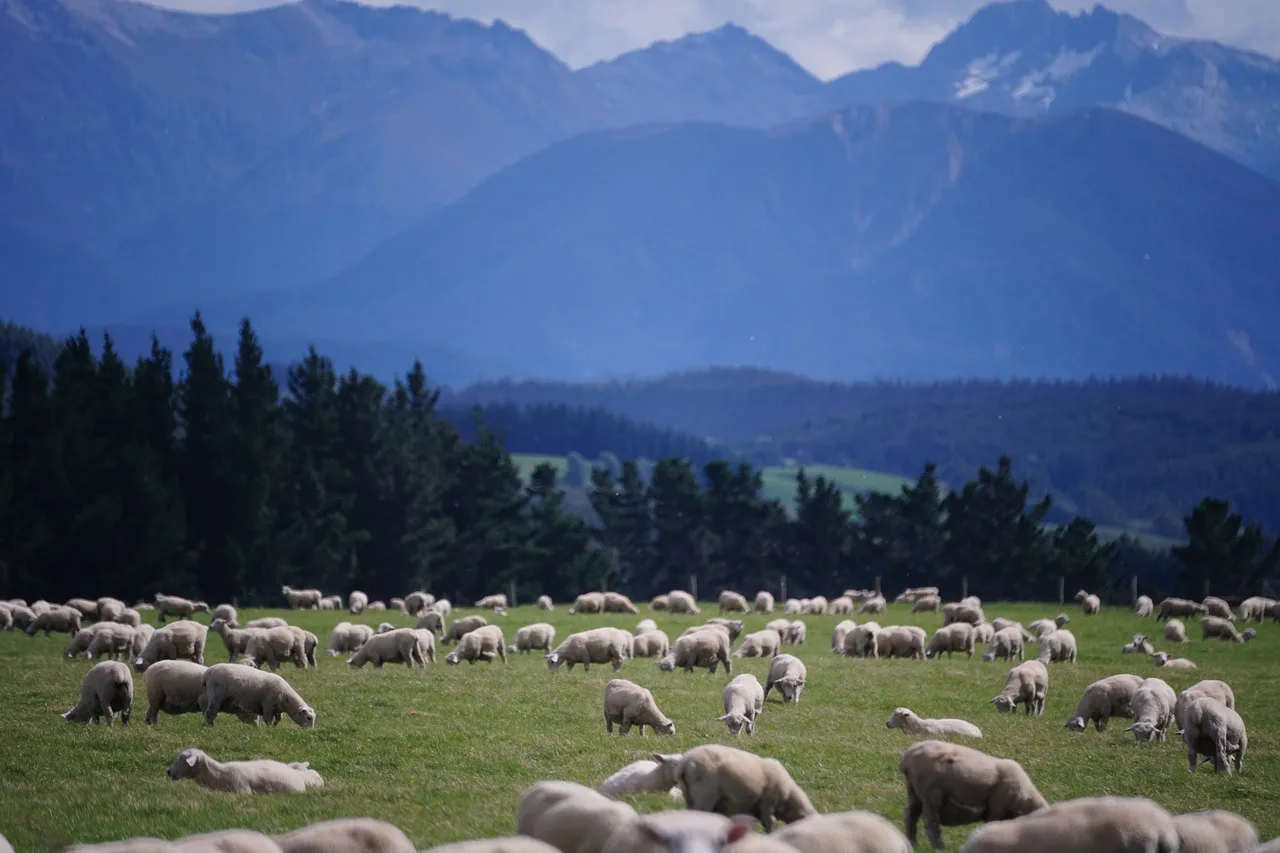
Image Reports New Zealand’s methane emissions from livestock New Zealand’s Parliamentary Commissioner for the Environment has released a report exploring how much and over what timescale the climate is affected by methane emissions from livestock. It focused on two questions. First,if methane emissions from livestock were held at current levels or followed business-as-usual trajectories, what would their contribution to future warming be? Second, what reduction in methane emissions from livestock would be needed so that they cause no additional contribution to warming? Read
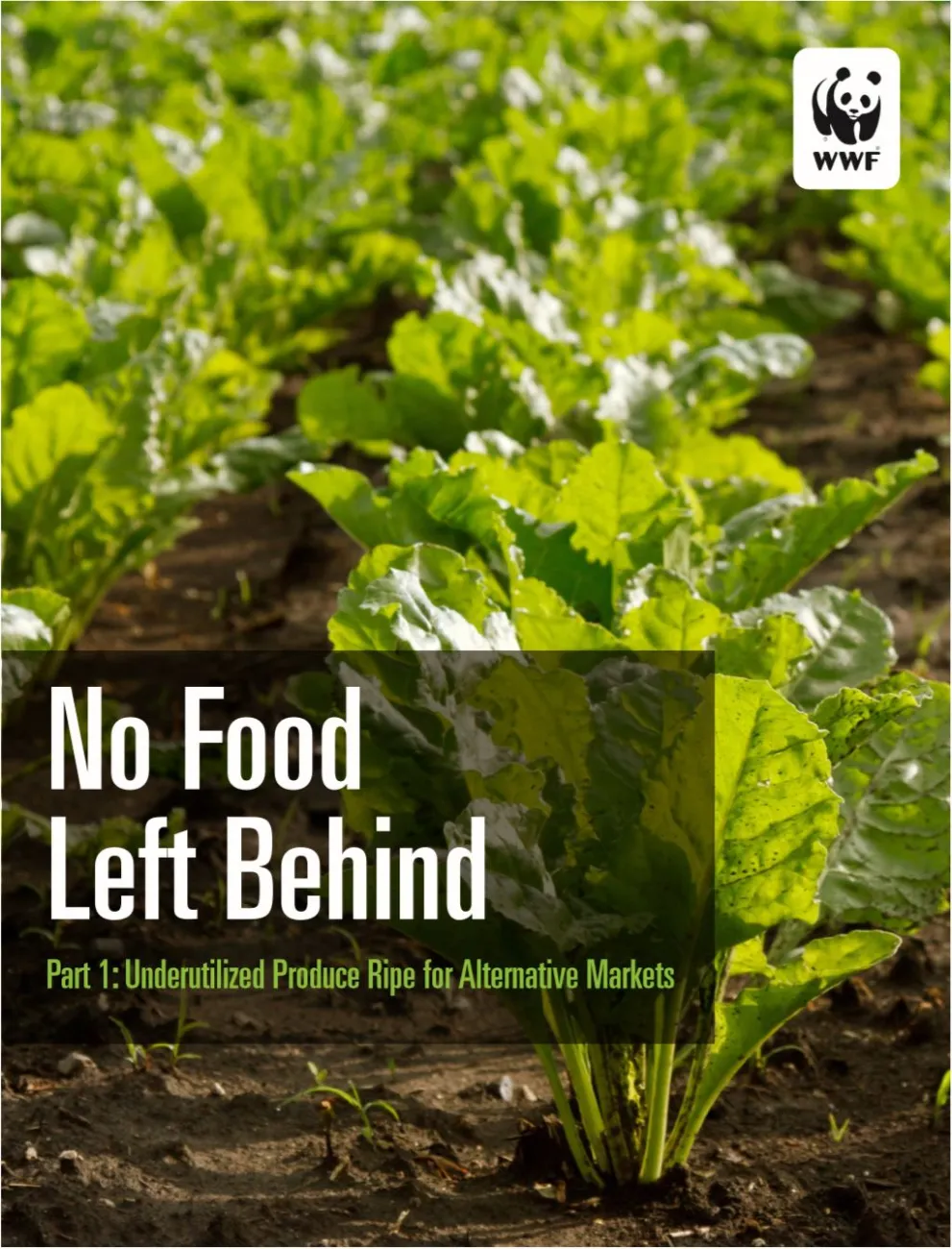
Image Reports WWF examines on-farm crop losses The World Wildlife Fund has released a report measuring on-farm crop waste at various locations in the United States. During the 2017-18 growing season, 40% of tomatoes, 39% of peaches, 2% of potatoes and 56% of romaine lettuce were left in the field. Causes of waste at the farm stage include strict quality standards, damage due to weather, variable consumption patterns and unpredictable labour supply. Some growers pointed out, however, that the nutrients in on-farm waste food are almost always recycled, e.g. as animal feed or by ploughing the waste back into the field. Read
Image Reports Affordability of the UK’s Eatwell Guide 14.4 million households don’t currently spend enough on food to follow the UK’s Eatwell Guide recommendations for a healthy diet, according to a report released by the UK-based Food Foundation. The report estimates that a household of two adults and two children (aged 10 and 15) would have to spend £103.17 per week to follow the Eatwell Guide. To meet the Eatwell Guide recommendations, the poorest 50% of households would have to spend around 30% of their disposable income (after tax and housing costs), while the richest 50% of households would have to spend around 12% of their disposable income. Read