Image Resources Our extensive research library contains thousands of summaries of journal articles, reports and news stories that can be searched by keyword and category RESOURCES CATEGORY Books Briefing paper Event recording Featured articles Featured report Game Journal articles News and resources Reports Think piece Video Working paper Workshop summary Year 2026 2025 2024 2023 2022 2021 2020 2019 2018 2017 2016 2015 2014 2013 2012 2011 2010 2009 2008 2007 2002 2001 Image Reports Soy and environmental compliance in Brazil This brief from Trase (a partnership between the Stockholm Environment Institute and Global Canopy) examines soy grown on unregistered farms in Brazil. Legally, farms in Brazil should be registered with the Rural Environmental Registry as the first step of complying with the Forest Code, which stipulates how much native vegetation should be left intact on private properties. Read Image Reports Case study: Moving to deforestation free animal feed This case study from UK sustainability consultancy 3Keel describes 3Keel’s work with seven European retailers to quantify the amount of soymeal used for animal feed in these supply chains, identify where the soy was produced and determine whether any of that soy was certified as being deforestation-free. Read Image Reports Engaging with convenience stores for healthier food The Food Research Collaboration has produced an evidence review and guidance note on the role that convenience stores can play in shaping diets in the UK - specifically, how convenience store operators can be persuaded to offer more healthy food options. Read Image Journal articles Childhood obesity linked to distance from fast food outlets Children in New York City who live less than 0.025 miles (about half a city block) from a fast-food outlet are more likely to be obese or overweight than children who live further away, according to this paper. The probability of a child being overweight was up to 4.4% lower and the probability of obesity was up to 2.9% lower for children who lived further away, relative to those who lived closest to fast-food outlets. The study used over 3.5 million data points (measurements of body mass index) from the New York City public school system between 2009 and 2013. Read Image Journal articles Changes to UK farming under unmitigated climate change This paper models the changes in vegetation and agricultural land use that might be expected if action is not taken to mitigate climate change. Temperatures in the UK would increase by around 5.4°C in the growing season and 4.7°C out of the growing season by the end of the century. The growing season would become drier by around 37% and the non-growing season would become 7% wetter, with drying being less pronounced in the north of the UK than the rest of the country. Read Image Featured articles Alignment in health and environmental impacts of foods This paper from researchers at Oxford’s Livestock, Environment and People (LEAP) project considers the health and environmental impacts of consuming an extra portion per day of 15 different foods. For many of the foods, those with beneficial health impacts also have lower environmental impacts, while many of those with greater environmental impacts also have greater disease risk. Read Image News and resources GGDOT games on food and climate The Greenhouse Gas and Dietary choices Open source Toolkit (GGDOT) project funded by N8 Agrifood has launched two games about for public engagement on food and climate. The Climate Food Challenge is a single-player online game while the climate food flashcards can be printed off for two players to use. Both involve comparing the carbon footprint of different food types. Read Image News and resources Video: Securing our future - people, food and nature On 22 September 2019, the Food and Land Use Coalition hosted the event "Securing Our Future: People, Food and Nature Solving the Planetary Emergency", which set out how leadership and innovative partnerships can change food systems to promote livelihoods while protecting ecosystems and the climate. Read Image Books Emerging technologies in agriculture, livestock, and climate This book discusses how networks of wireless sensors could be used in African agriculture, e.g. to minimise conflicts between wildlife, people and livestock, or to monitor livestock health. Read VIEW MORE
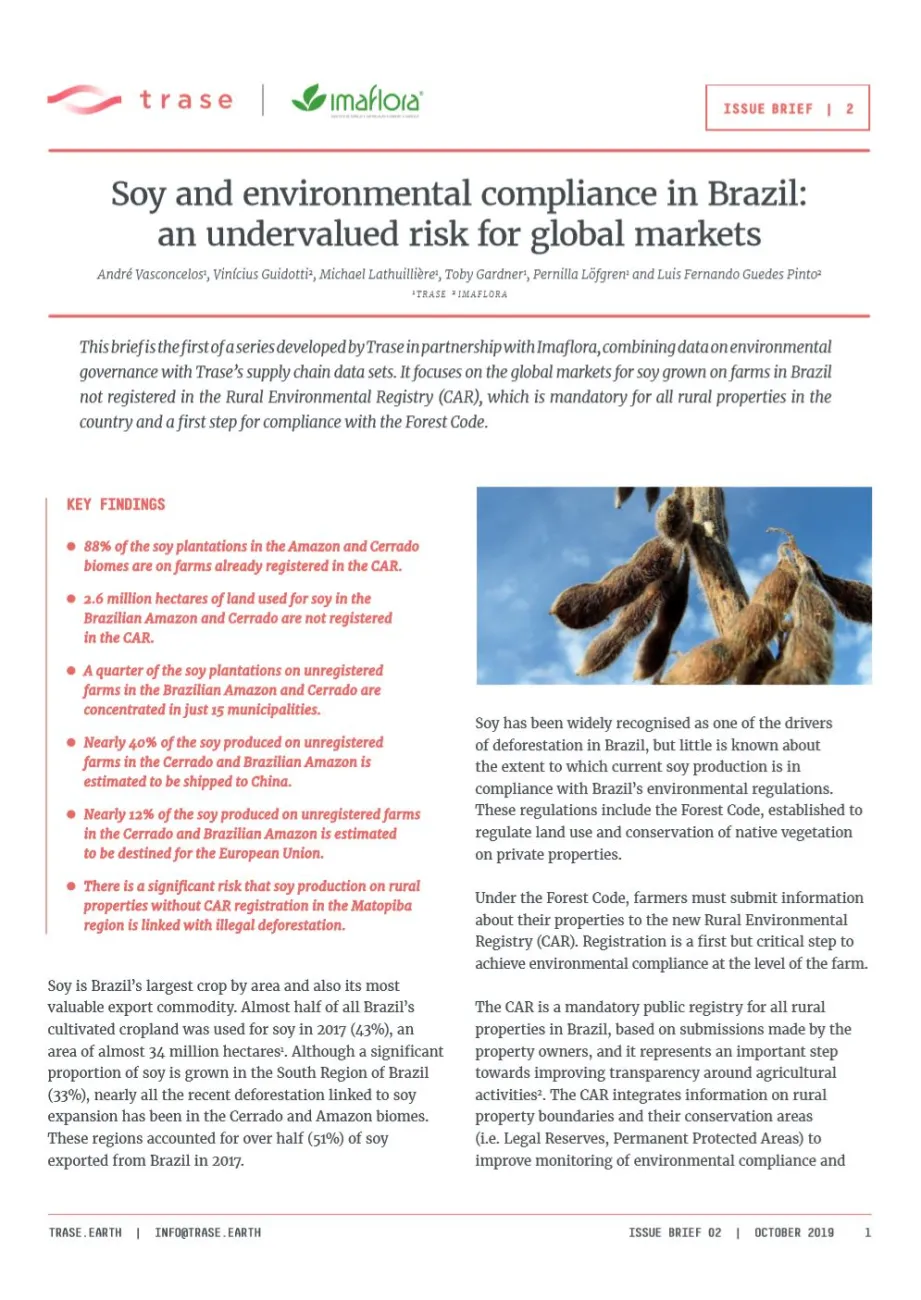
Image Reports Soy and environmental compliance in Brazil This brief from Trase (a partnership between the Stockholm Environment Institute and Global Canopy) examines soy grown on unregistered farms in Brazil. Legally, farms in Brazil should be registered with the Rural Environmental Registry as the first step of complying with the Forest Code, which stipulates how much native vegetation should be left intact on private properties. Read
Image Reports Case study: Moving to deforestation free animal feed This case study from UK sustainability consultancy 3Keel describes 3Keel’s work with seven European retailers to quantify the amount of soymeal used for animal feed in these supply chains, identify where the soy was produced and determine whether any of that soy was certified as being deforestation-free. Read
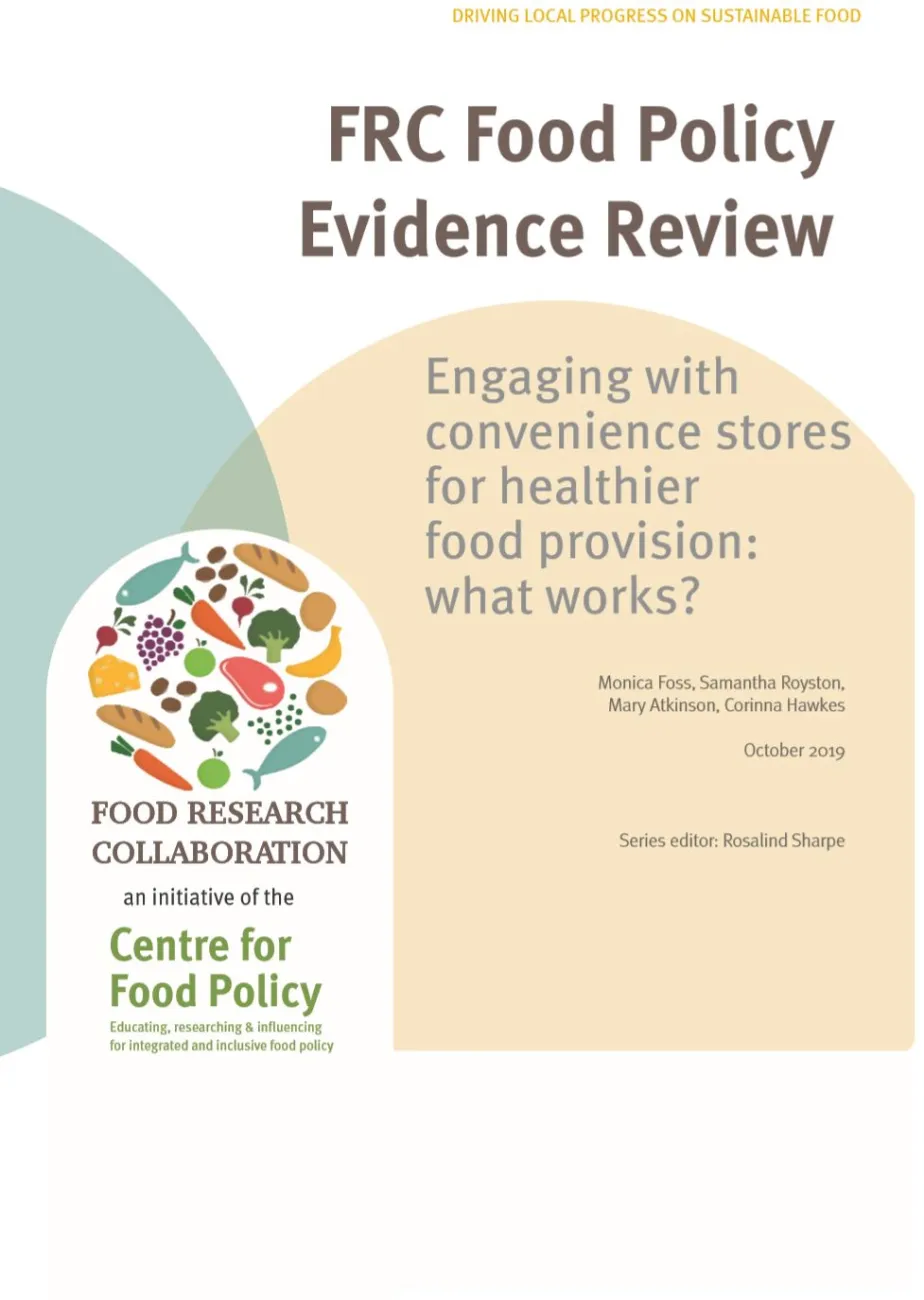
Image Reports Engaging with convenience stores for healthier food The Food Research Collaboration has produced an evidence review and guidance note on the role that convenience stores can play in shaping diets in the UK - specifically, how convenience store operators can be persuaded to offer more healthy food options. Read
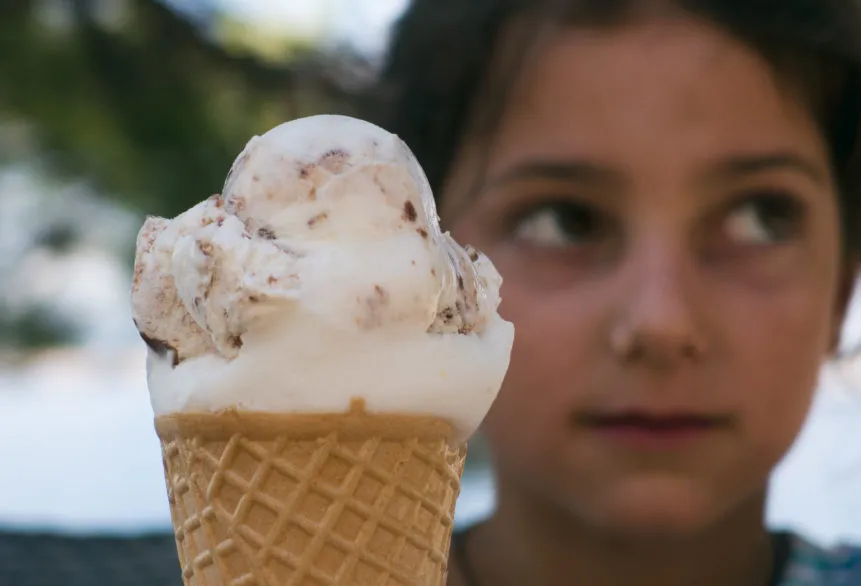
Image Journal articles Childhood obesity linked to distance from fast food outlets Children in New York City who live less than 0.025 miles (about half a city block) from a fast-food outlet are more likely to be obese or overweight than children who live further away, according to this paper. The probability of a child being overweight was up to 4.4% lower and the probability of obesity was up to 2.9% lower for children who lived further away, relative to those who lived closest to fast-food outlets. The study used over 3.5 million data points (measurements of body mass index) from the New York City public school system between 2009 and 2013. Read
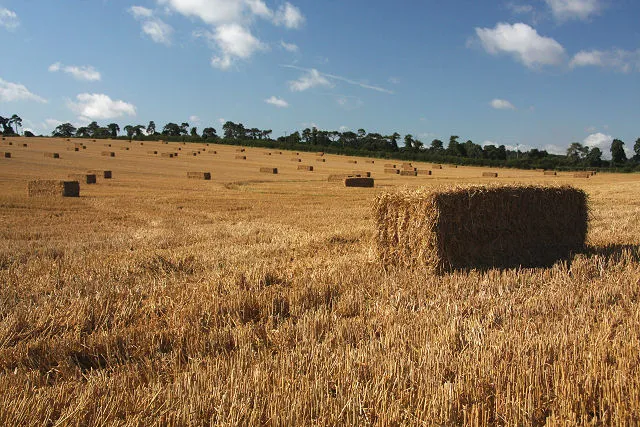
Image Journal articles Changes to UK farming under unmitigated climate change This paper models the changes in vegetation and agricultural land use that might be expected if action is not taken to mitigate climate change. Temperatures in the UK would increase by around 5.4°C in the growing season and 4.7°C out of the growing season by the end of the century. The growing season would become drier by around 37% and the non-growing season would become 7% wetter, with drying being less pronounced in the north of the UK than the rest of the country. Read
Image Featured articles Alignment in health and environmental impacts of foods This paper from researchers at Oxford’s Livestock, Environment and People (LEAP) project considers the health and environmental impacts of consuming an extra portion per day of 15 different foods. For many of the foods, those with beneficial health impacts also have lower environmental impacts, while many of those with greater environmental impacts also have greater disease risk. Read
Image News and resources GGDOT games on food and climate The Greenhouse Gas and Dietary choices Open source Toolkit (GGDOT) project funded by N8 Agrifood has launched two games about for public engagement on food and climate. The Climate Food Challenge is a single-player online game while the climate food flashcards can be printed off for two players to use. Both involve comparing the carbon footprint of different food types. Read
Image News and resources Video: Securing our future - people, food and nature On 22 September 2019, the Food and Land Use Coalition hosted the event "Securing Our Future: People, Food and Nature Solving the Planetary Emergency", which set out how leadership and innovative partnerships can change food systems to promote livelihoods while protecting ecosystems and the climate. Read
Image Books Emerging technologies in agriculture, livestock, and climate This book discusses how networks of wireless sensors could be used in African agriculture, e.g. to minimise conflicts between wildlife, people and livestock, or to monitor livestock health. Read