Image Resources Our extensive research library contains thousands of summaries of journal articles, reports and news stories that can be searched by keyword and category RESOURCES CATEGORY Books Briefing paper Event recording Featured articles Featured report Game Journal articles News and resources Reports Think piece Video Working paper Workshop summary Year 2026 2025 2024 2023 2022 2021 2020 2019 2018 2017 2016 2015 2014 2013 2012 2011 2010 2009 2008 2007 2002 2001 Image Reports Fixing the system: dealing with plastic pollution This report from the UK think tank Green Alliance argues that the problem of plastic pollution cannot be solved by simply replacing plastic with alternative materials - instead, a system-wide transition to a circular economy is required, prioritising safety, sustainability and efficiency. The report focuses on the UK’s culture of single-use packaging. Read Image Journal articles Effects of implicit and explicit green signals in advertising This paper finds that downplaying explicit statements of environmental benefits can be a more effective advertising strategy than prioritising the environmental aspects in product categories that are not normally seen as “green”. This is because consumers often perceive green products as performing less well than conventional products, according to the paper. Read Image Journal articles Environmental benchmarking of the Swedish diet FCRN member Elin Röös has co-authored this paper, which finds that the average Swedish diet far exceeds the planetary boundaries (scaled to the per capita level) suggested by the EAT-Lancet Commission for greenhouse gas emissions, cropland use, application of nutrients and biodiversity. The diet is within the boundary for freshwater use. Read Image Featured articles Re-framing post-harvest losses: pineapples in Uganda FCRN member Margareta Lelea of the German Institute for Tropical and Subtropical Agriculture (DITSL) has co-authored this paper, which uses the example of the pineapple supply chain in Uganda to argue that efforts to reduce post-harvest losses often neglect the uses of waste streams by local people. Read Image News and resources Farm Gate podcast: Climate, food and national security In this episode of the Farm Gate podcast, FCRN member ffinlo Costain speaks to Caitlin Werrell (co-founder of the Washington-based Centre for Climate & Security) and to Rear Admiral Neil Morisetti (the UK's former Climate, Energy & Security Envoy) to explore how climate change might impact food security in developed nations such as the UK and the United States. Read Image News and resources A pea and lentil renaissance? This article from Civil Eats examines how the rise of both plant-based diets and regenerative agriculture practices have encouraged more farmers in the United States to grow pulses such as lentils, peas and chickpeas. As pulses become more popular with US consumers, a smaller fraction of the US pulse harvest is exported to other countries. Read Image Books Agrobiodiversity, school gardens and healthy diets This book examines the role of school gardens in addressing malnutrition among students and promoting healthy eating. It includes case studies in Nepal and the Philippines. Read Image Books Lume: Economic-ecological analysis of agroecosystems This book describes Lume, a method for analysing the economic and ecological impacts of agroecological farming systems. It includes a case study of family farms in a region of Brazil affected by droughts. Read Image Reports Afterres2050 scenario for the French food system French non-profit Solagro has released an English version of this report, which presents the Afterres2050 scenario: a bottom-up assessment of the future of the French food system. The scenario was developed in consultation with farmers, foresters, nutritionists, community representatives, etc. as well as a multidisciplinary scientific council. Read VIEW MORE
Image Reports Fixing the system: dealing with plastic pollution This report from the UK think tank Green Alliance argues that the problem of plastic pollution cannot be solved by simply replacing plastic with alternative materials - instead, a system-wide transition to a circular economy is required, prioritising safety, sustainability and efficiency. The report focuses on the UK’s culture of single-use packaging. Read
Image Journal articles Effects of implicit and explicit green signals in advertising This paper finds that downplaying explicit statements of environmental benefits can be a more effective advertising strategy than prioritising the environmental aspects in product categories that are not normally seen as “green”. This is because consumers often perceive green products as performing less well than conventional products, according to the paper. Read
Image Journal articles Environmental benchmarking of the Swedish diet FCRN member Elin Röös has co-authored this paper, which finds that the average Swedish diet far exceeds the planetary boundaries (scaled to the per capita level) suggested by the EAT-Lancet Commission for greenhouse gas emissions, cropland use, application of nutrients and biodiversity. The diet is within the boundary for freshwater use. Read
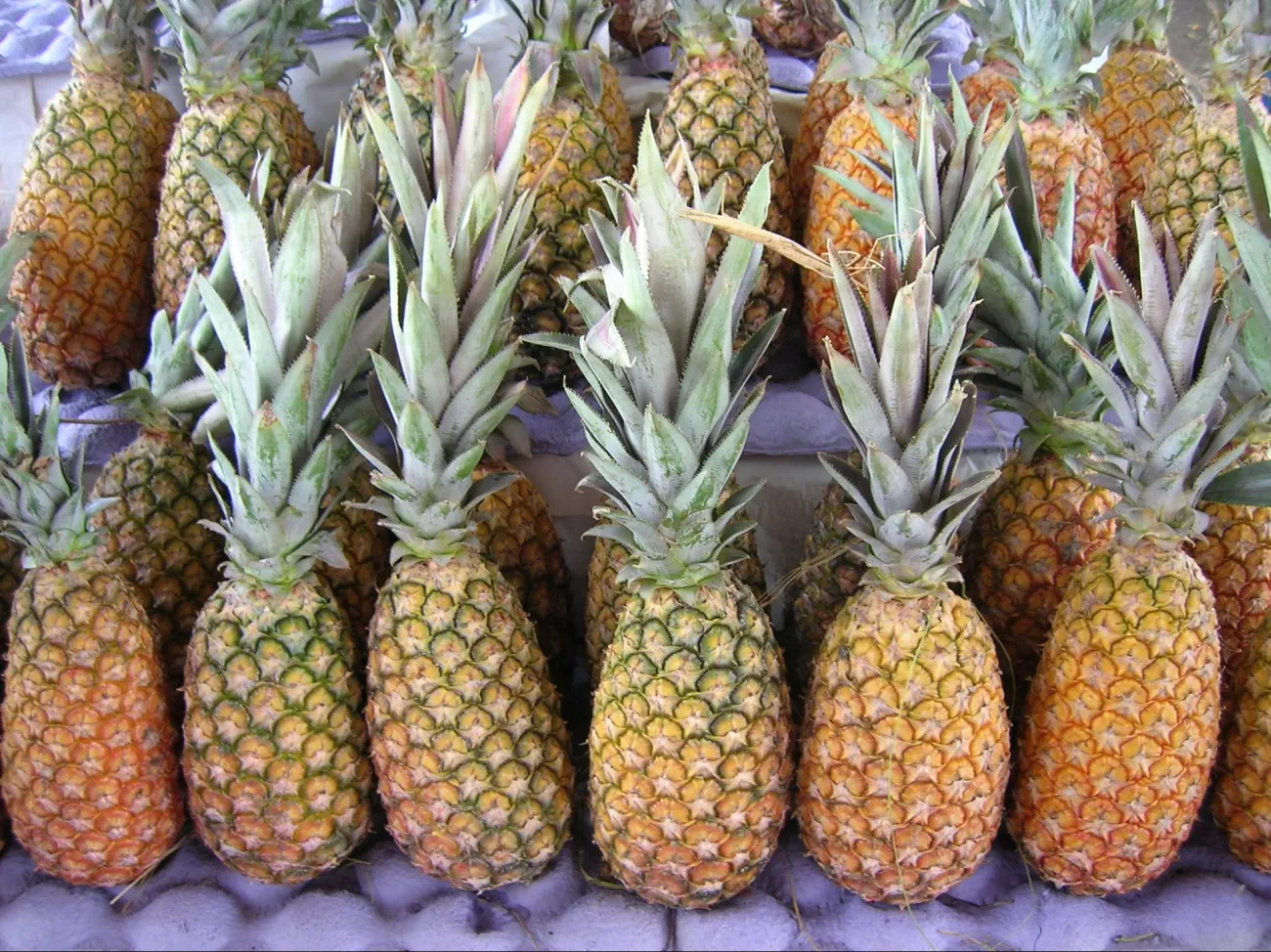
Image Featured articles Re-framing post-harvest losses: pineapples in Uganda FCRN member Margareta Lelea of the German Institute for Tropical and Subtropical Agriculture (DITSL) has co-authored this paper, which uses the example of the pineapple supply chain in Uganda to argue that efforts to reduce post-harvest losses often neglect the uses of waste streams by local people. Read
Image News and resources Farm Gate podcast: Climate, food and national security In this episode of the Farm Gate podcast, FCRN member ffinlo Costain speaks to Caitlin Werrell (co-founder of the Washington-based Centre for Climate & Security) and to Rear Admiral Neil Morisetti (the UK's former Climate, Energy & Security Envoy) to explore how climate change might impact food security in developed nations such as the UK and the United States. Read
Image News and resources A pea and lentil renaissance? This article from Civil Eats examines how the rise of both plant-based diets and regenerative agriculture practices have encouraged more farmers in the United States to grow pulses such as lentils, peas and chickpeas. As pulses become more popular with US consumers, a smaller fraction of the US pulse harvest is exported to other countries. Read
Image Books Agrobiodiversity, school gardens and healthy diets This book examines the role of school gardens in addressing malnutrition among students and promoting healthy eating. It includes case studies in Nepal and the Philippines. Read
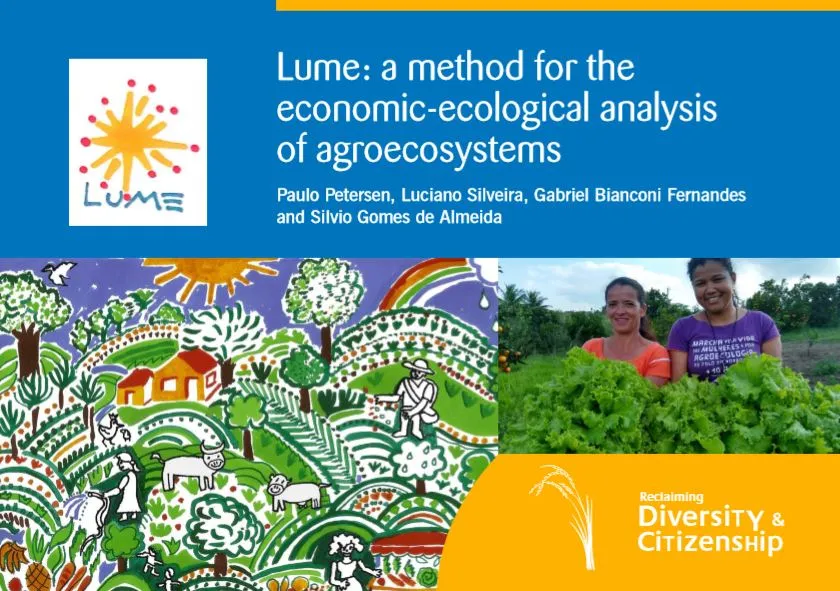
Image Books Lume: Economic-ecological analysis of agroecosystems This book describes Lume, a method for analysing the economic and ecological impacts of agroecological farming systems. It includes a case study of family farms in a region of Brazil affected by droughts. Read
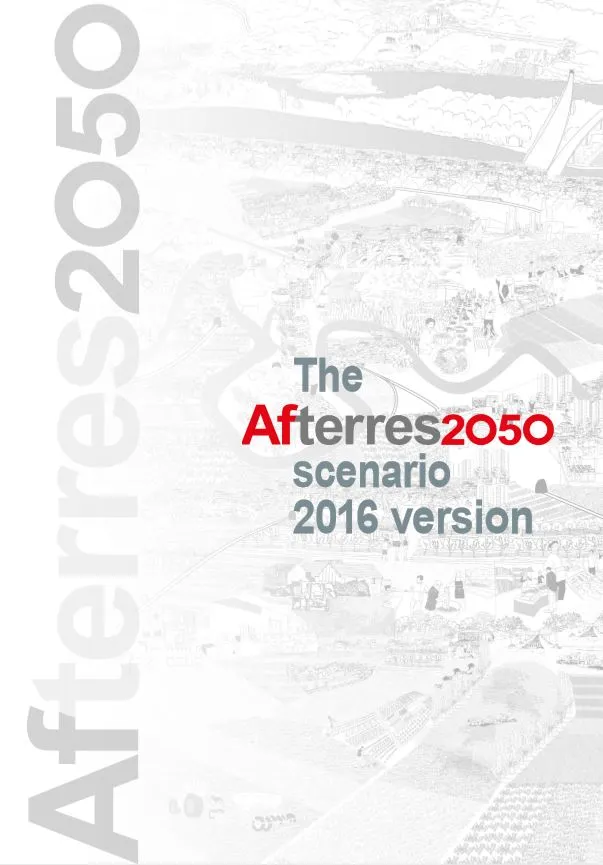
Image Reports Afterres2050 scenario for the French food system French non-profit Solagro has released an English version of this report, which presents the Afterres2050 scenario: a bottom-up assessment of the future of the French food system. The scenario was developed in consultation with farmers, foresters, nutritionists, community representatives, etc. as well as a multidisciplinary scientific council. Read