Close
Login Register
Search
  • About
    • What We Do
    • Who We Are
    • FAQs
  • Our Writing
    • Explainers
    • Essays
    • Letterbox
    • Reports & More
  • Podcasts
  • Our Events
  • Projects
    • Power In The Food Systems
    • Local-Global Scale Project
    • MEAT: The Four Futures Podcast
    • Fuel To Fork
    • Nature
    • Reckoning with Regeneration
    • SHIFT
    • Games at TABLE
    • Rethinking the Global Soy Dilemma
  • Resources
  • Opportunities
    • Jobs
    • Funding
    • Courses
    • Collaborations
    • Events
  • Newsletter
  • TABLE (EN)
Search
Back

Governance, policy, and power

Image
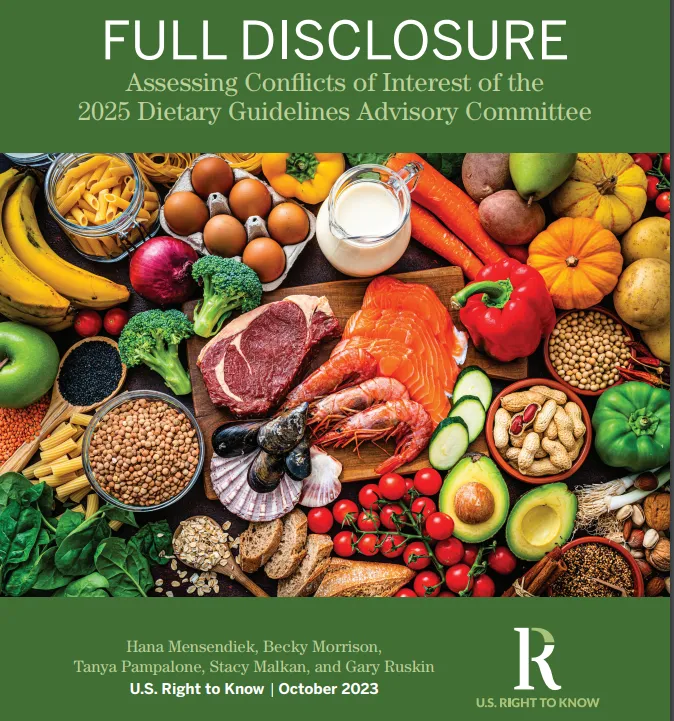
The cover of Full Disclosure: Assessing conflicts of interest of the 2025 Dietary Guidelines Advisory Committee a report by U.S. Right to Know
Reports
Nearly Half of US Dietary Guidelines Advisory Committee Members Have Conflicts of Interest
This report provides disclosure of conflicts of interest of the 20 members of the 2025 Dietary Guidelines Advisory Committee who determine the national Dietary Guidelines for America. The report found that almost half of the members had a medium to high risk of conflict of interest due to connections with industry actors.
Read
Image
A pile of sugar coated doughnuts. Photo by Kyle Brinker via Unsplash.
News and resources
Further salt and sugar levies could prevent two million cases of disease
Supported by thirty six well-known organisations, Royal Colleges and charities, a new campaign ‘Recipe for Change’ is calling on the Government to introduce a new industry levy to make food healthier. The campaign highlights research by the London School of Hygiene & Tropical Medicine demonstrating that salt and sugar levies could prevent over 1 million cases of cardiovascular disease (CVD), 571,00 cases of type 2 diabetes, 11,000 cases of cancer and 249,000 cases of respiratory disease.
Read
Image
Photo of Tesco shop. Image via The Conversation
News and resources
Farmers are bearing the brunt of big food companies’ decarbonisation efforts
Given the huge impact that the food system has on climate change, the food industry is coming under increasing pressure from investors, politicians, environmental groups and consumers to clean up their operations and set out strong net zero targets. However this is exerting downward pressure on farmers who are being forced to comply with large industry players' demands or risk losing their contracts.
Read
Image
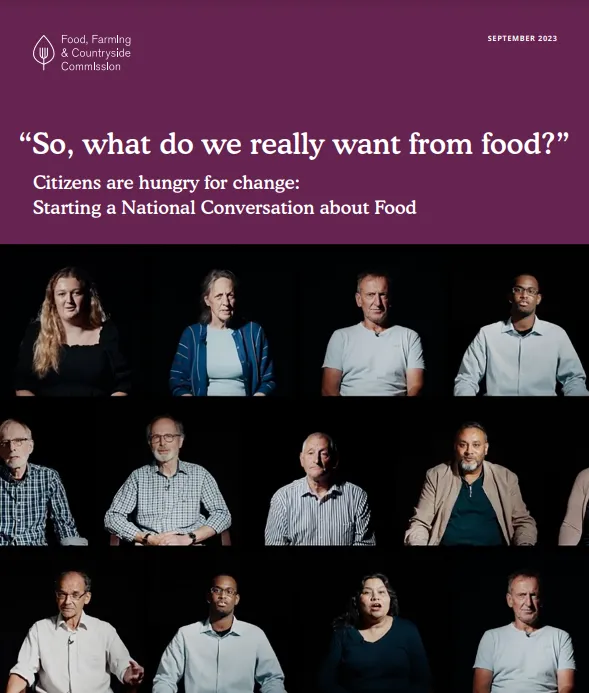
The cover of ‘So, what do we really want from food?’ a report by the food, farming and countryside commission.
Reports
So, what do we really want from food?
In the UK, there is a pervasive narrative that people don't want a ‘nanny state’ intervening in the food system, they only want ‘cheap food’. This report, based on extensive public dialogue sessions in Birmingham and Cambridge, and a new national poll of 2,000 people, shows that citizens across all demographics, ages and political groups reject these concerns and overwhelmingly back increasing government intervention to fix the food system.  
Read
Image
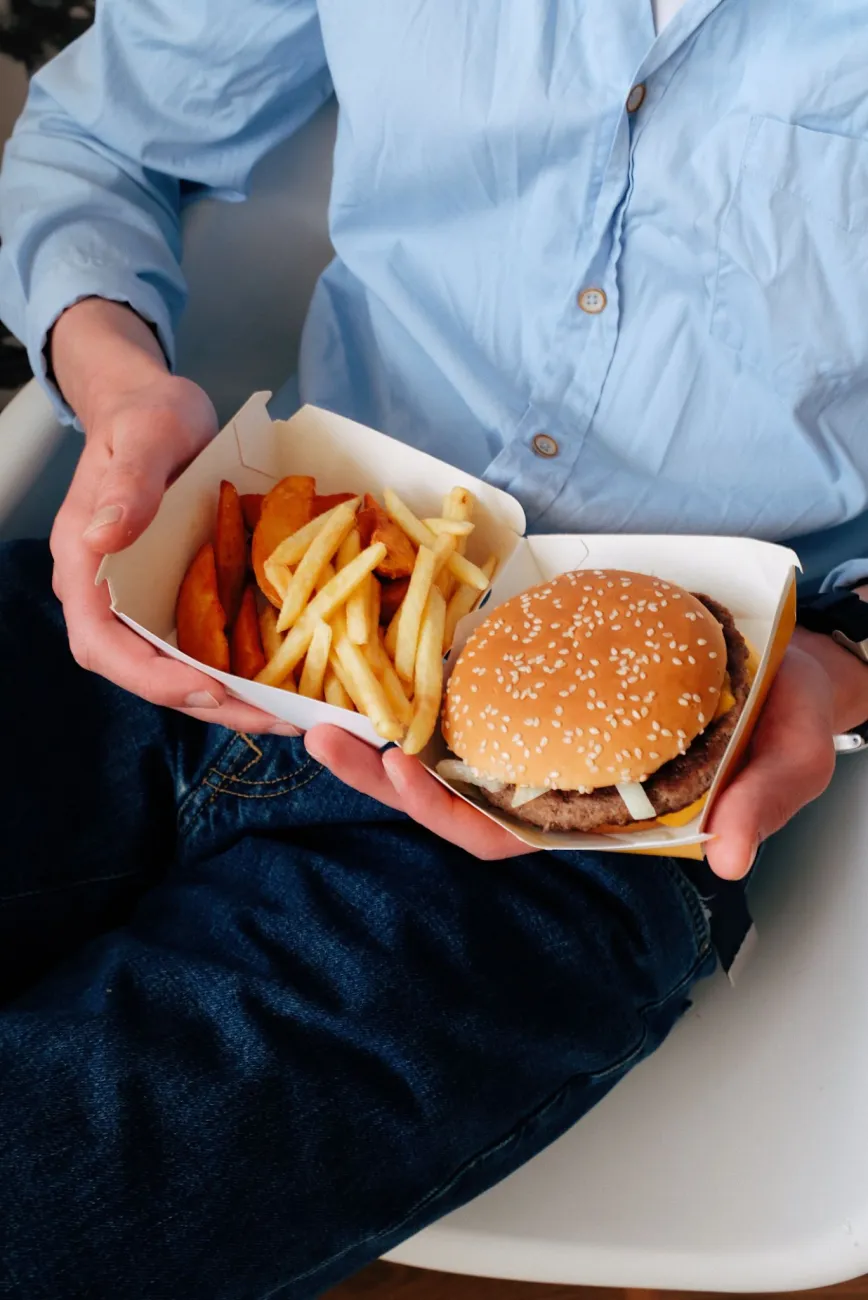
Photo of a burger and chips in single use packaging. Photo by ready made via Pexels.
News and resources
Academics call out McDonald’s for misleading packaging reports
58 academics have joined forces with two NGOs, the Environmental Paper Network and Fern, to draft a letter to MEPs warning them about misleading industry funded studies, including those by McDonald’s and the European Paper and Packaging Association. The letter highlights that the reports directly contradict the European Commission’s Impact Assessment and the UN report on single-use, and are sowing doubt about policies to reduce single-use packaging.
Read
Image
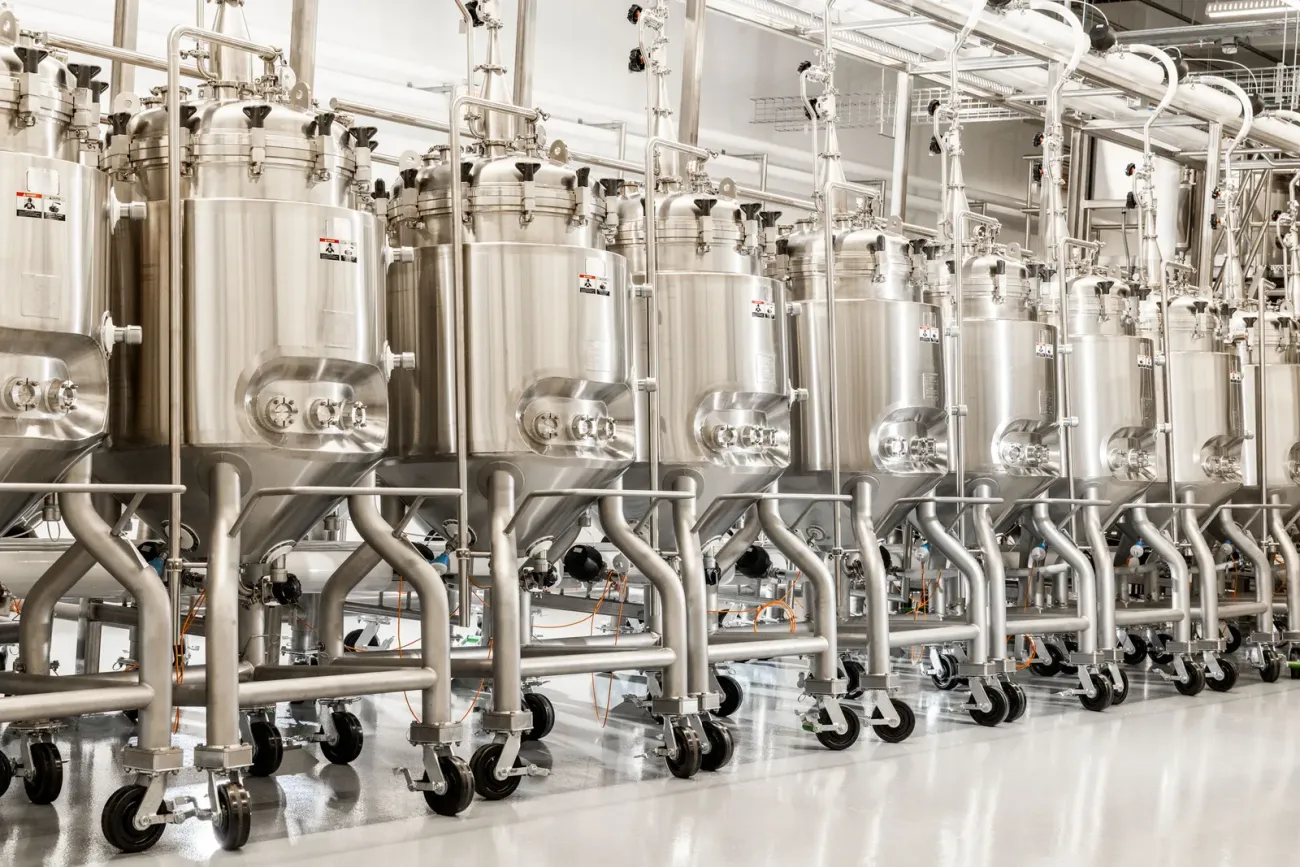
Bioreactors used for brewing cultivated meat. Photograph by Christie Hemm Klok via WIRED.
News and resources
Insiders Reveal Major Problems at Lab-Grown-Meat Startup Upside Foods
Recent revelations from Upside Foods employees raise serious questions about how much cultured meat companies have achieved after billions of dollars in investment in recent years, and whether wholecut cultivated meat products will ever be commercially viable. Upside meat has received a fifth of investment in cultured meats up to 2022, using its ability to produce wholecuts (rather than ground meat) as its distinguishing feature against competitors. However, interviews with employees reveal that bioreactors have failed to produce viable products and wholecuts still require intensive human intervention at small scales.
Read
Image
The cover of the agroecological intelligence report
Reports
Establishing the criteria for appropriate agroecological technology
This report brings together farmers from a variety of agroecological backgrounds to understand what they may want from new technologies and how they decide which technologies are appropriate for their business. Through a series of workshops this report establishes the main values that underpin the decision making of agroecological farmers and which technologies could fit into this philosophy. 
Read
Image
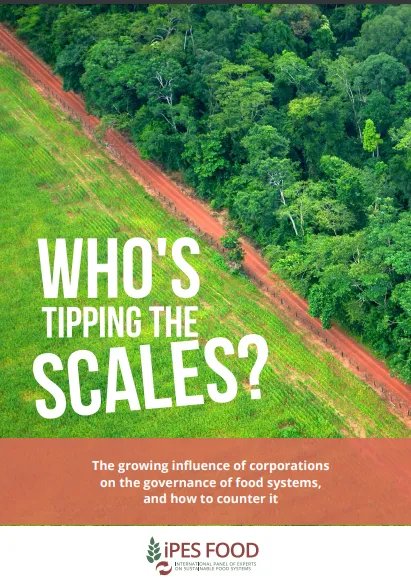
whos tipping the scale report cover
Reports
Who’s Tipping the Scales
This report by IPES-Food, documents a history of growing corporate influence over the governance of the food system. As transnational food and farming companies grow ever bigger, they have convinced governments that they must be central in all discussion on the future of food, and their ability to set the agenda of the food system is ever increasing as a result. The authors propose a set of transformative solutions to democratise decision making and redress the balance of power in the food system.
Read
Image
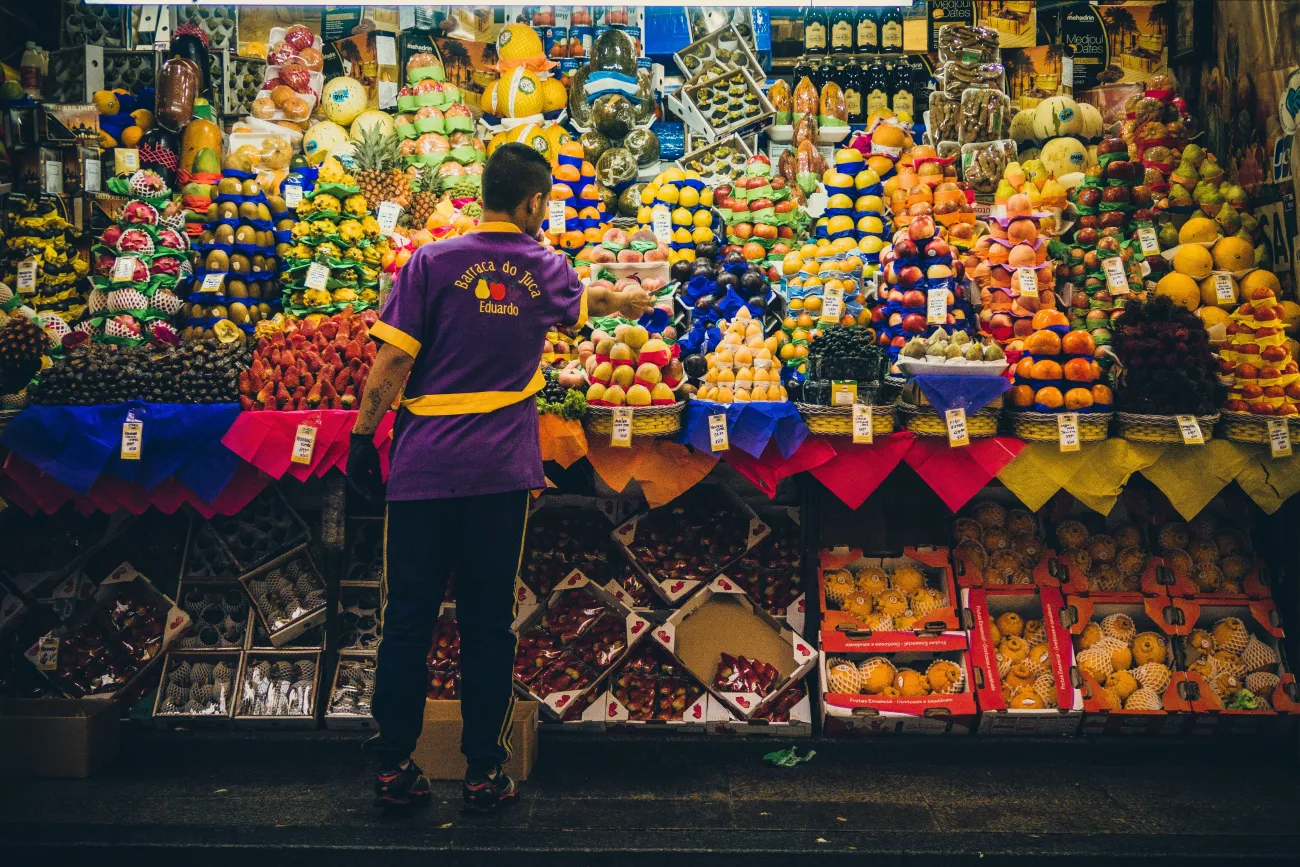
Photo of food market trader in São Paulo. Photo by D A V I D S O N L U N A via Unsplash
Journal articles
How Neoliberalism dismantled public food procurement programs aimed at environmental good: a case study of Brazil
Successful programmes in both Global North countries (such as United States and Sweden) and Global South countries (including Paraguay and South Africa) demonstrate that public food procurement programmes have the potential to promote food security, stimulate biodiversity, revitalise local economies, foster sustainable production systems and more. However, these programmes can be hindered by a neoliberal government committed to financial austerity and the free market.  
Read
  • VIEW MORE

Sign up for Fodder, our monthly newsletter unpacking the future of food.

Tick below to opt-in to email communications.

You can change your mind at any time by clicking the unsubscribe link in the footer of any email you receive from us, or by contacting us at info@tabledebates.org.

We use Mailchimp as our marketing platform. By clicking below to subscribe, you acknowledge that your information will be transferred to Mailchimp for processing. Learn more about Mailchimp's privacy practices.
  • Glossary
  • About
  • Our Writing
  • Podcasts
  • Resources

Social

YouTube Facebook Instagram

© Copyright 2025

A collaboration between: