Image Resources Our extensive research library contains thousands of summaries of journal articles, reports and news stories that can be searched by keyword and category RESOURCES CATEGORY Books Briefing paper Event recording Featured articles Featured report Game Journal articles News and resources Reports Think piece Video Working paper Workshop summary Year 2026 2025 2024 2023 2022 2021 2020 2019 2018 2017 2016 2015 2014 2013 2012 2011 2010 2009 2008 2007 2002 2001 Image Journal articles Zero-deforestation policies can be impactful if implemented This paper assesses the impacts of corporate zero-deforestation supply chain commitments (ZDCs) in Brazil. It finds that in the Brazilian Amazon, where the Soy Moratorium ZDC has been both adopted and implemented, the commitment reduced direct deforestation for soy by 57% between 2006 and 2015 in the municipalities that it covered. In the Cerrado, in contrast, none of the seven companies (covering 66% of soy production) that have adopted ZDCs there appear to have fully implemented them - if they had done so, deforestation for soy in the biome could have been reduced by 46% between 2006 and 2015, estimates the paper. Read Image Journal articles Low-meat diets can improve European resilience to conflict Shifting to the low-meat EAT-Lancet diet across Europe could reduce overall demand for many crops and hence provide resilience against disruptions to food supply, notably those caused by the Russia-Ukraine conflict, according to this paper. The shift could also provide environmental co-benefits through increased carbon sequestration and reduced blue water use and greenhouse gas emissions. Read Image Journal articles Macronutrient (im)balance drives energy intake This paper, based on Australian dietary survey data, provides support for the “protein leverage hypothesis” - the theory that people’s appetites regulate their protein intake to be within a narrow range, and hence that if protein makes up a lower proportion of the foods they eat, people will end up consuming more calories (in the form of fats and carbohydrates) as a side effect of their appetite for protein. Hence, it argues, protein is key to understanding the high prevalence of obesity. It identifies highly processed foods as one of the food categories that has the strongest “diluting” effect on dietary protein. Read Image News and resources Solar Foods receives microbial protein approval in Singapore The Singapore Food Agency has approved the sale of food products containing Solein®, the microbial protein-rich powder produced by Finnish startup Solar Foods. The production process runs on electricity, carbon dioxide, hydrogen, oxygen and small amounts of other nutrients. Solar Foods is also seeking regulatory approval in the United States, the UK and the European Union. Read Image News and resources The apple in Indian cookery This piece from digital exhibition Apples & People explains the history of the apple in Indian cookery. It also features a short book of Indian apples recipes, which can be downloaded for free. Read Image Books Terra Viva: A memoir by Vandana Shiva This memoir by Indian environmental activist Dr Vandana Shiva recounts her advocacy for diversity, indigenous knowledge, localisation, seed saving and food sovereignty. Read Image Books A Research Agenda for Food Systems This book outlines key issues currently facing the global food system, as well as responses to them, including corporate concentration, the planetary boundaries, food poverty, alternative proteins, urban food systems and circular food systems. Read Image Reports Climate financing for food systems transformation This report by the Global Alliance for the Future of Food argues that public climate finance should be directed into food system transformation because of the potential to deliver cost-effective co-benefits for climate mitigation, biodiversity, health and food system resilience. Currently, food systems receive only 3% of public climate finance despite producing one third of global emissions. Read Image Reports Alternative proteins for food and national security This policy brief from Climate Advisers and the Good Food Institute suggests that alternative proteins (both plant-based and cultivated, i.e. lab-grown, options) are important for food security around the world and national security in the United States. It argues that feeding edible crops to livestock drives up the price of staple crops, negatively affects the quantity of food available to people, and makes food reliant on long, fragile supply chains (e.g. at risk of zoonotic disease outbreaks). Read VIEW MORE
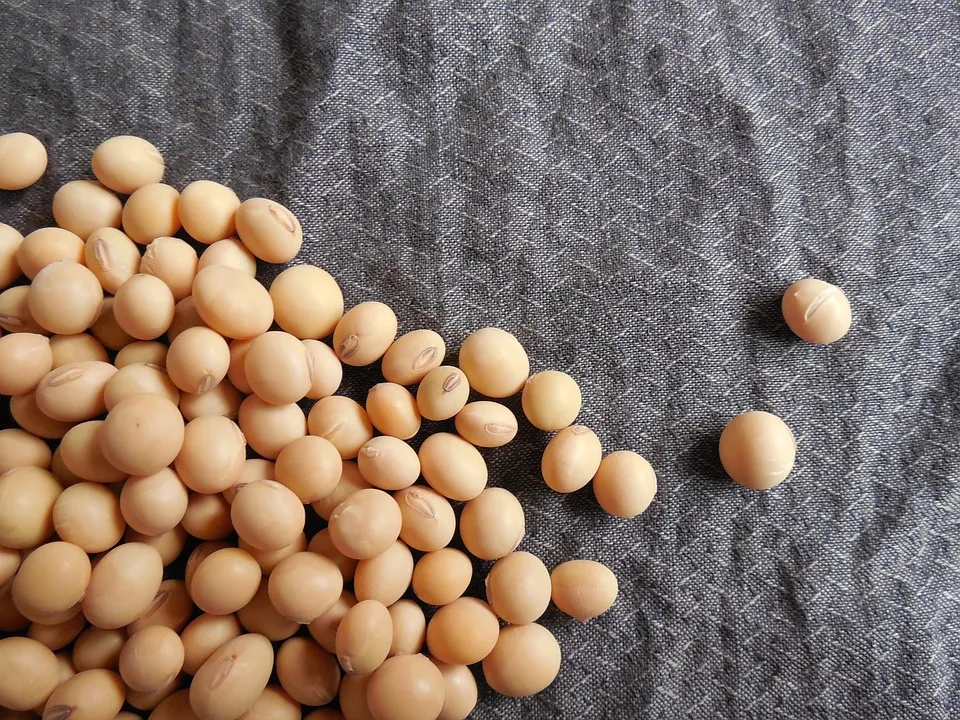
Image Journal articles Zero-deforestation policies can be impactful if implemented This paper assesses the impacts of corporate zero-deforestation supply chain commitments (ZDCs) in Brazil. It finds that in the Brazilian Amazon, where the Soy Moratorium ZDC has been both adopted and implemented, the commitment reduced direct deforestation for soy by 57% between 2006 and 2015 in the municipalities that it covered. In the Cerrado, in contrast, none of the seven companies (covering 66% of soy production) that have adopted ZDCs there appear to have fully implemented them - if they had done so, deforestation for soy in the biome could have been reduced by 46% between 2006 and 2015, estimates the paper. Read
Image Journal articles Low-meat diets can improve European resilience to conflict Shifting to the low-meat EAT-Lancet diet across Europe could reduce overall demand for many crops and hence provide resilience against disruptions to food supply, notably those caused by the Russia-Ukraine conflict, according to this paper. The shift could also provide environmental co-benefits through increased carbon sequestration and reduced blue water use and greenhouse gas emissions. Read
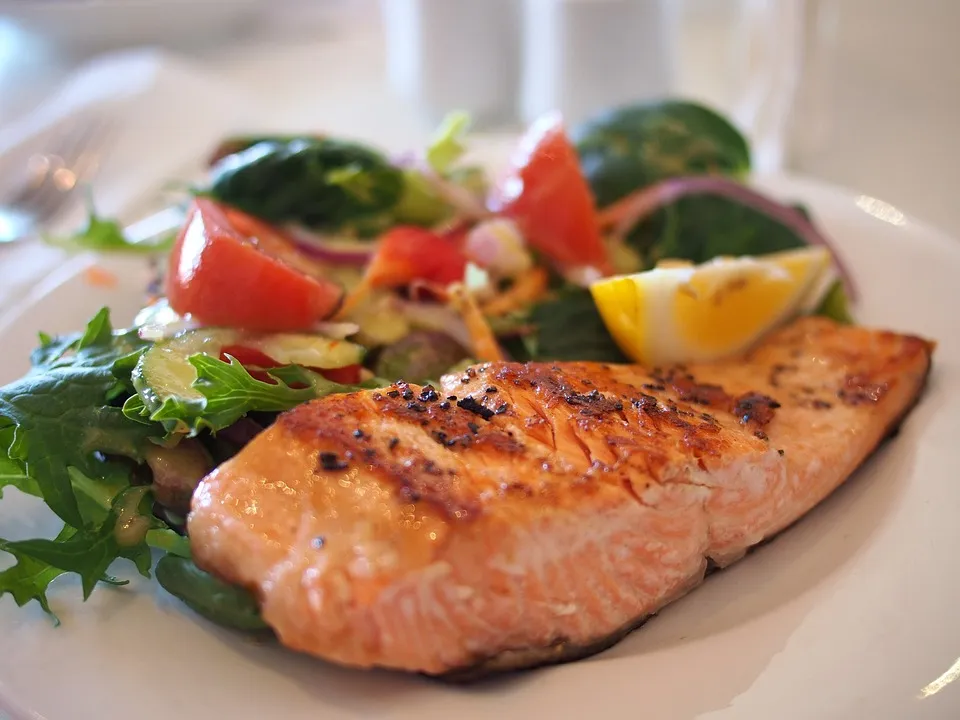
Image Journal articles Macronutrient (im)balance drives energy intake This paper, based on Australian dietary survey data, provides support for the “protein leverage hypothesis” - the theory that people’s appetites regulate their protein intake to be within a narrow range, and hence that if protein makes up a lower proportion of the foods they eat, people will end up consuming more calories (in the form of fats and carbohydrates) as a side effect of their appetite for protein. Hence, it argues, protein is key to understanding the high prevalence of obesity. It identifies highly processed foods as one of the food categories that has the strongest “diluting” effect on dietary protein. Read
Image News and resources Solar Foods receives microbial protein approval in Singapore The Singapore Food Agency has approved the sale of food products containing Solein®, the microbial protein-rich powder produced by Finnish startup Solar Foods. The production process runs on electricity, carbon dioxide, hydrogen, oxygen and small amounts of other nutrients. Solar Foods is also seeking regulatory approval in the United States, the UK and the European Union. Read
Image News and resources The apple in Indian cookery This piece from digital exhibition Apples & People explains the history of the apple in Indian cookery. It also features a short book of Indian apples recipes, which can be downloaded for free. Read
Image Books Terra Viva: A memoir by Vandana Shiva This memoir by Indian environmental activist Dr Vandana Shiva recounts her advocacy for diversity, indigenous knowledge, localisation, seed saving and food sovereignty. Read
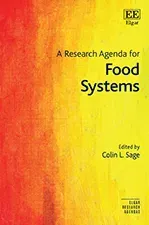
Image Books A Research Agenda for Food Systems This book outlines key issues currently facing the global food system, as well as responses to them, including corporate concentration, the planetary boundaries, food poverty, alternative proteins, urban food systems and circular food systems. Read
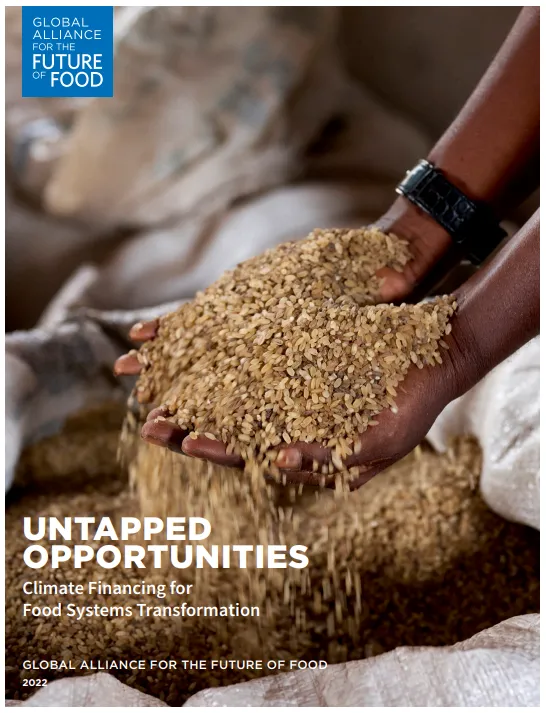
Image Reports Climate financing for food systems transformation This report by the Global Alliance for the Future of Food argues that public climate finance should be directed into food system transformation because of the potential to deliver cost-effective co-benefits for climate mitigation, biodiversity, health and food system resilience. Currently, food systems receive only 3% of public climate finance despite producing one third of global emissions. Read
Image Reports Alternative proteins for food and national security This policy brief from Climate Advisers and the Good Food Institute suggests that alternative proteins (both plant-based and cultivated, i.e. lab-grown, options) are important for food security around the world and national security in the United States. It argues that feeding edible crops to livestock drives up the price of staple crops, negatively affects the quantity of food available to people, and makes food reliant on long, fragile supply chains (e.g. at risk of zoonotic disease outbreaks). Read