Image Resources Our extensive research library contains thousands of summaries of journal articles, reports and news stories that can be searched by keyword and category RESOURCES CATEGORY Books Briefing paper Event recording Featured articles Featured report Game Journal articles News and resources Reports Think piece Video Working paper Workshop summary Year 2026 2025 2024 2023 2022 2021 2020 2019 2018 2017 2016 2015 2014 2013 2012 2011 2010 2009 2008 2007 2002 2001 Image News and resources Alternative protein investment trends in 2022 This article by The Good Food Institute explores global trends in investment in alternative proteins during 2022. Alternative protein companies raised $2.9 billion globally in 2022 - a 42% decrease compared to 2021, which followed several years of increasing global investment in alternative proteins. The article attributes 2022’s lower investment to broader market conditions, as economy-wide private venture funding also declined 35% in 2022. The article also sets out the results of an investor survey showing that 99% of respondents remain optimistic about the alternative protein sector in the long term. Read Image News and resources A consensus on food, farming and nature A consensus statement on a shared vision of the future for the food system has been published by WWF-UK and co-signed by representatives of several UK organisations, including Pasture for Life, the Soil Association, the Eating Better Alliance and the Food, Farming and Countryside Commission. The statement says that the food system should make space for nature both on farms and in wider landscapes; that farmers should be supported in reducing their use of pesticides and synthetic fertilisers; that regenerative soil management should become the norm; and that technology can play a role in sustainable food production. The statement also criticises intensive livestock production and the marketing of unhealthy ultra-processed foods. It does not call for a reduction in animal product consumption. Read Image News and resources Big Livestock's Big Greenwash NGO Feedback has published a website, Big Livestock's Big Greenwash, outlining the marketing strategies used by large livestock companies, including: reporting emissions and climate targets in ways that appear to show more progress than has happened; focusing on technological options (e.g. feed additives) to increase efficiency without reducing meat and dairy production; downplaying the climate impact of livestock; and building narratives that argue livestock production is good for farmer wellbeing, food security and traditional meat-based diets. Feedback argues that these strategies amount to greenwash. Read Image News and resources Recordings: 2023 Oxford Real Farming Conference Video recordings from the 2023 Oxford Real Farming Conference are now available online, covering a wide range of topics from agroecology and seaweed to land justice, regenerative farming and philanthropy. Read Image Books Food System Transformations: Social Movements This book looks at how a “second generation” of local food movements aims to make the global food system more socially just and healthy. Read Image Books Hoofprints on the Land This book argues that traditional nomadic herding practices offer lessons for regenerating a healthy planet and producing food sustainably. Read Image Reports Achieving fair, resilient food supply chains in the UK This report from Forum for the Future, based on a series of interviews as well as desk research, identifies barriers to food supply chain transformation in the UK as well as options for voluntary action and policy to support change. Read Image Reports Multifunctional landscapes This report from The Royal Society sets out a “multifunctional” approach to land use (with a focus on the UK) - i.e. an approach that considers how land can produce not only goods with a market value (such as food) but also a wide range of products and services that for the most part do not have a market value (e.g. biodiversity provision, carbon sequestration and flood alleviation). Read Image Journal articles Reducing global land-use pressures with seaweed farming This paper maps the global potential for producing 34 varieties of seaweed and uses five scenarios to model the impacts of expanding the use of seaweed for human food (10% of diets), animal feed (10% of intake), transport fuels (50%), all three of the previous uses, or supplementing ruminant feed (0.5% of feed) to reduce enteric methane production and increase feed conversion efficiency. Read VIEW MORE
Image News and resources Alternative protein investment trends in 2022 This article by The Good Food Institute explores global trends in investment in alternative proteins during 2022. Alternative protein companies raised $2.9 billion globally in 2022 - a 42% decrease compared to 2021, which followed several years of increasing global investment in alternative proteins. The article attributes 2022’s lower investment to broader market conditions, as economy-wide private venture funding also declined 35% in 2022. The article also sets out the results of an investor survey showing that 99% of respondents remain optimistic about the alternative protein sector in the long term. Read
Image News and resources A consensus on food, farming and nature A consensus statement on a shared vision of the future for the food system has been published by WWF-UK and co-signed by representatives of several UK organisations, including Pasture for Life, the Soil Association, the Eating Better Alliance and the Food, Farming and Countryside Commission. The statement says that the food system should make space for nature both on farms and in wider landscapes; that farmers should be supported in reducing their use of pesticides and synthetic fertilisers; that regenerative soil management should become the norm; and that technology can play a role in sustainable food production. The statement also criticises intensive livestock production and the marketing of unhealthy ultra-processed foods. It does not call for a reduction in animal product consumption. Read
Image News and resources Big Livestock's Big Greenwash NGO Feedback has published a website, Big Livestock's Big Greenwash, outlining the marketing strategies used by large livestock companies, including: reporting emissions and climate targets in ways that appear to show more progress than has happened; focusing on technological options (e.g. feed additives) to increase efficiency without reducing meat and dairy production; downplaying the climate impact of livestock; and building narratives that argue livestock production is good for farmer wellbeing, food security and traditional meat-based diets. Feedback argues that these strategies amount to greenwash. Read
Image News and resources Recordings: 2023 Oxford Real Farming Conference Video recordings from the 2023 Oxford Real Farming Conference are now available online, covering a wide range of topics from agroecology and seaweed to land justice, regenerative farming and philanthropy. Read
Image Books Food System Transformations: Social Movements This book looks at how a “second generation” of local food movements aims to make the global food system more socially just and healthy. Read
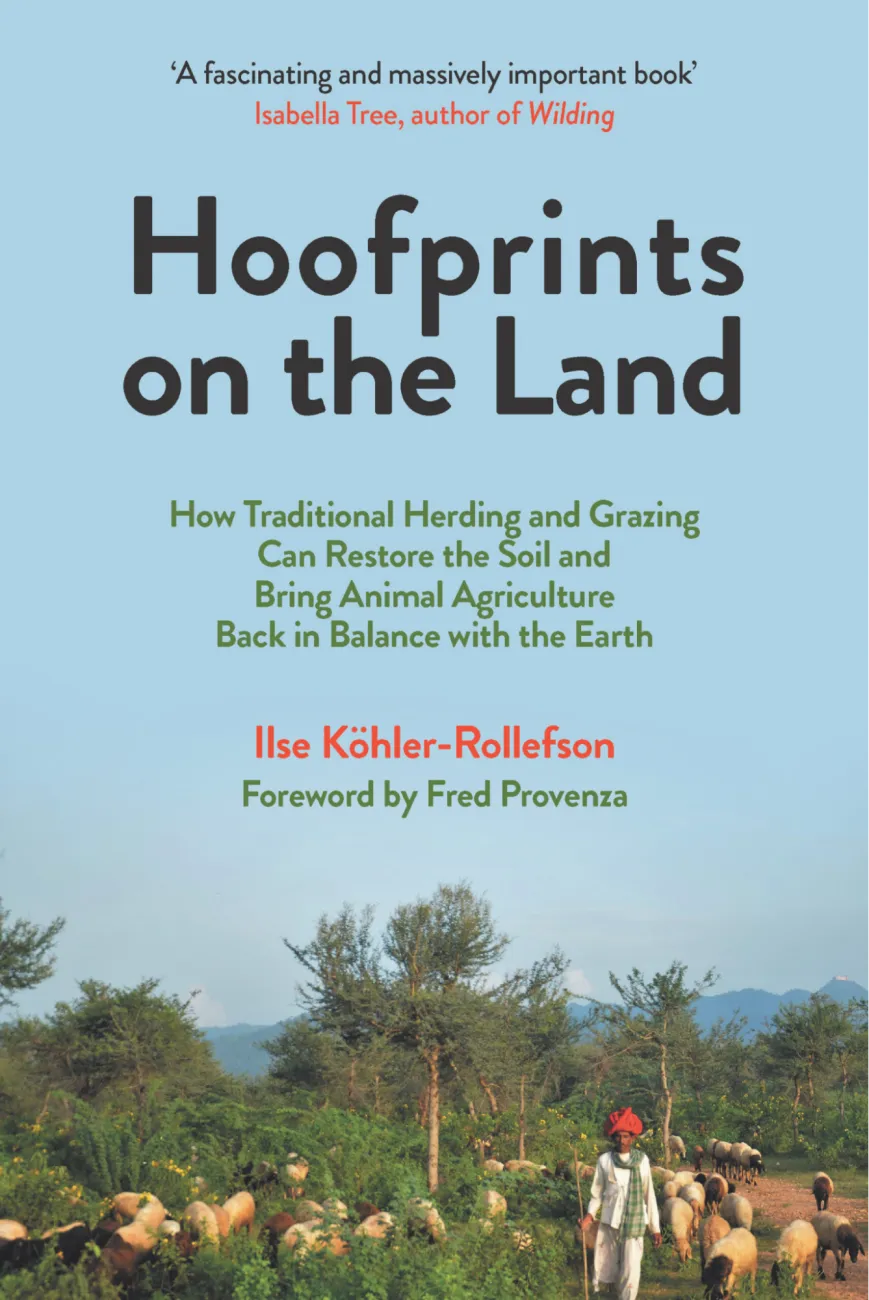
Image Books Hoofprints on the Land This book argues that traditional nomadic herding practices offer lessons for regenerating a healthy planet and producing food sustainably. Read
Image Reports Achieving fair, resilient food supply chains in the UK This report from Forum for the Future, based on a series of interviews as well as desk research, identifies barriers to food supply chain transformation in the UK as well as options for voluntary action and policy to support change. Read
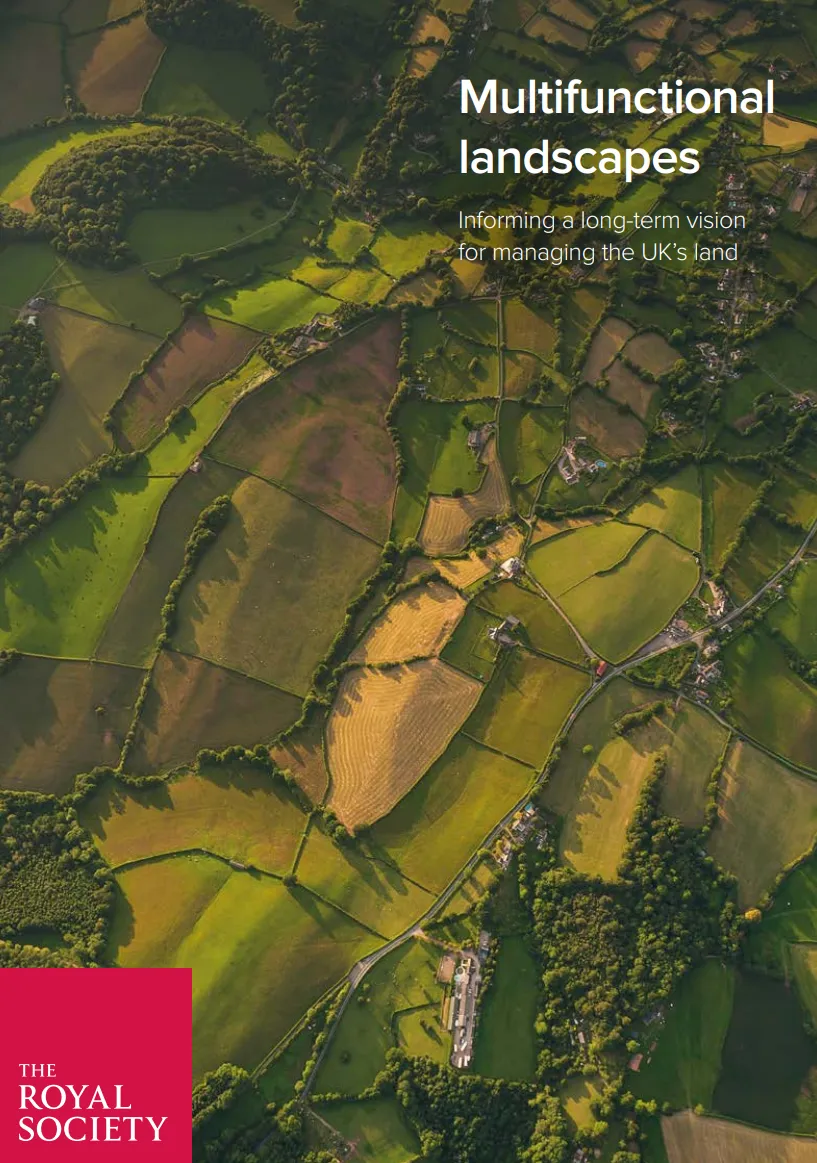
Image Reports Multifunctional landscapes This report from The Royal Society sets out a “multifunctional” approach to land use (with a focus on the UK) - i.e. an approach that considers how land can produce not only goods with a market value (such as food) but also a wide range of products and services that for the most part do not have a market value (e.g. biodiversity provision, carbon sequestration and flood alleviation). Read
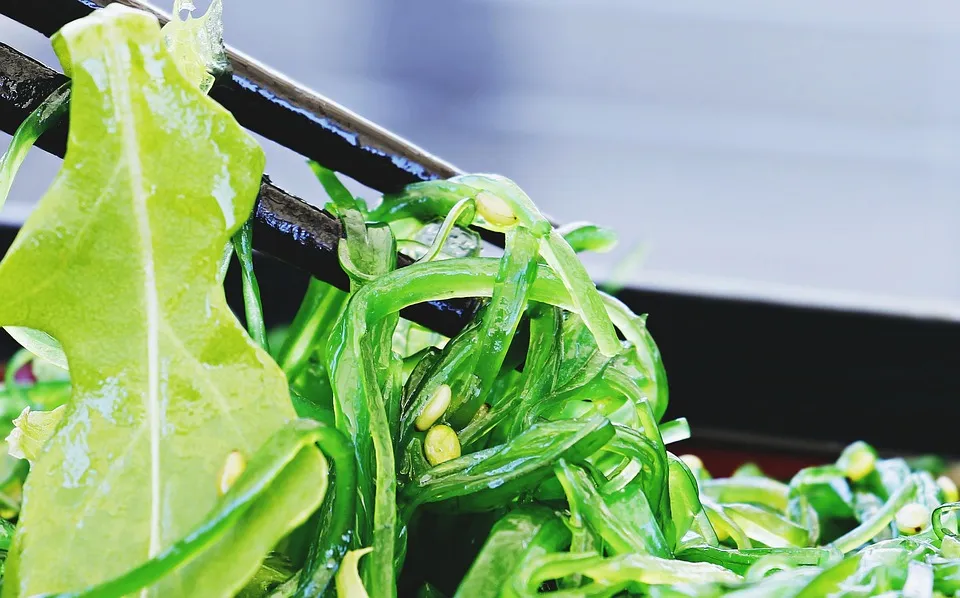
Image Journal articles Reducing global land-use pressures with seaweed farming This paper maps the global potential for producing 34 varieties of seaweed and uses five scenarios to model the impacts of expanding the use of seaweed for human food (10% of diets), animal feed (10% of intake), transport fuels (50%), all three of the previous uses, or supplementing ruminant feed (0.5% of feed) to reduce enteric methane production and increase feed conversion efficiency. Read