Image Resources Our extensive research library contains thousands of summaries of journal articles, reports and news stories that can be searched by keyword and category RESOURCES CATEGORYBooksBriefing paperEvent recordingFeatured articlesFeatured reportGameJournal articlesNews and resourcesReportsThink pieceVideoWorking paperWorkshop summary YEAR201220132014201520162017201820192020202120222023202420252026 Image News and resources Cookbook for systems change: Nordic innovation strategies The Nordic Food Policy Lab has produced an online “Cookbook for systems change”, co-authored by former Table colleague Marie Persson. Using a “mission-based” approach, the Cookbook sets out strategies that can be used to trigger food systems innovation. It is primarily aimed at national and regional government innovation bodies, but also discusses the role that entrepreneurs, civil society and researchers can play. Read Image News and resources Recordings: Oxford Real Farming Conference sessions Recordings of sessions from Oxford Real Farming Conference Global 2021 are now available to everyone on YouTube. There are 219 recordings covering a wide range of topics related to agroecology, including organic and regenerative agriculture and indigenous systems. Read Image Books Enough: How your food choices will save the planet This book, based on the Planetary Health Diet produced by the EAT-Lancet Commission, discusses how dietary patterns influence health and the environment and make recommendations for which food groups to favour and which to avoid. Read Image Books Animal, Vegetable, Junk: A History of Food This book uses food as a lens to explore the history of human development. It explores the links between food and exploration, colonialism, slavery and capitalism, as well as the environmental implications of current industrialised food systems. Read Image Reports Quiet climate policy in a post-COVID world This report, from the US think tank The Breakthrough Institute, sets out policy options for the US government to decarbonise the economy despite a polarised political climate, focusing on the energy, transport and agriculture sectors. Read Image Reports A 10+13 agroecology approach for the EU This policy paper from the European Environmental Bureau (a network of environmental citizens' organisations) sets out a proposal for mainstreaming agroecology within the policies that govern food systems in the European Union. The paper defines agroecology as a paradigm shift that encompasses approaches such as organic and regenerative farming. Read Image Reports The Economics of Biodiversity: The Dasgupta Review The UK Government has published the final report of the Independent Review on the Economics of Biodiversity, led by Professor Sir Partha Dasgupta of the University of Cambridge. The review sets out a new framework for how we should account for nature in economics and policy. Read Image Journal articles Letter to the editor: Meat market failure Table member Dominic Moran has written a letter to the editor of the journal Nature Food. In it, he argues that the debate on livestock production and consumption ought to be viewed through the lens of market failure (that is, a situation in which the incentives that influence individual behaviour lead to a suboptimal outcome for society at large) and externalities (costs or benefits produced by a transaction that affect people other than the buyer and seller). Moran concludes that assessing the extent of market failure in the livestock sector can help governments to decide to what extent to intervene. Read Image Journal articles Pest management practices depend on who advises farmers This paper finds that the pest management choices of farmers in Switzerland depend on whether they are advised by public or private extension services (i.e. providers of technical information to farmers). In a survey of 733 Swiss fruit growers dealing with fruit fly infestations, those advised by public extension services were 9-10% more likely to use preventative measures such as nets, while those advised by private extension services were 8-9% more likely to use synthetic insecticides. Read VIEW MORE
Image News and resources Cookbook for systems change: Nordic innovation strategies The Nordic Food Policy Lab has produced an online “Cookbook for systems change”, co-authored by former Table colleague Marie Persson. Using a “mission-based” approach, the Cookbook sets out strategies that can be used to trigger food systems innovation. It is primarily aimed at national and regional government innovation bodies, but also discusses the role that entrepreneurs, civil society and researchers can play. Read
Image News and resources Recordings: Oxford Real Farming Conference sessions Recordings of sessions from Oxford Real Farming Conference Global 2021 are now available to everyone on YouTube. There are 219 recordings covering a wide range of topics related to agroecology, including organic and regenerative agriculture and indigenous systems. Read
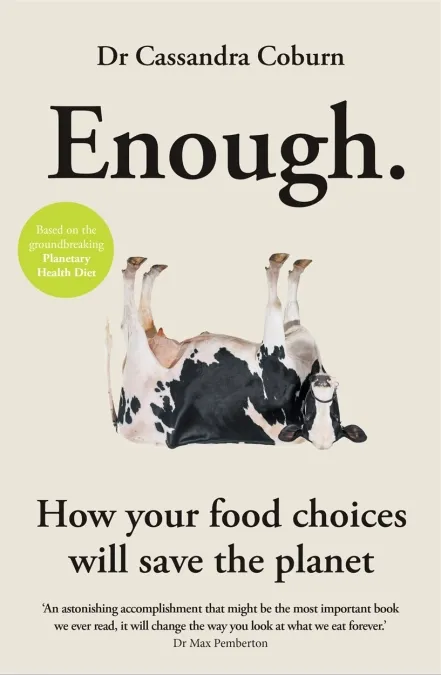
Image Books Enough: How your food choices will save the planet This book, based on the Planetary Health Diet produced by the EAT-Lancet Commission, discusses how dietary patterns influence health and the environment and make recommendations for which food groups to favour and which to avoid. Read
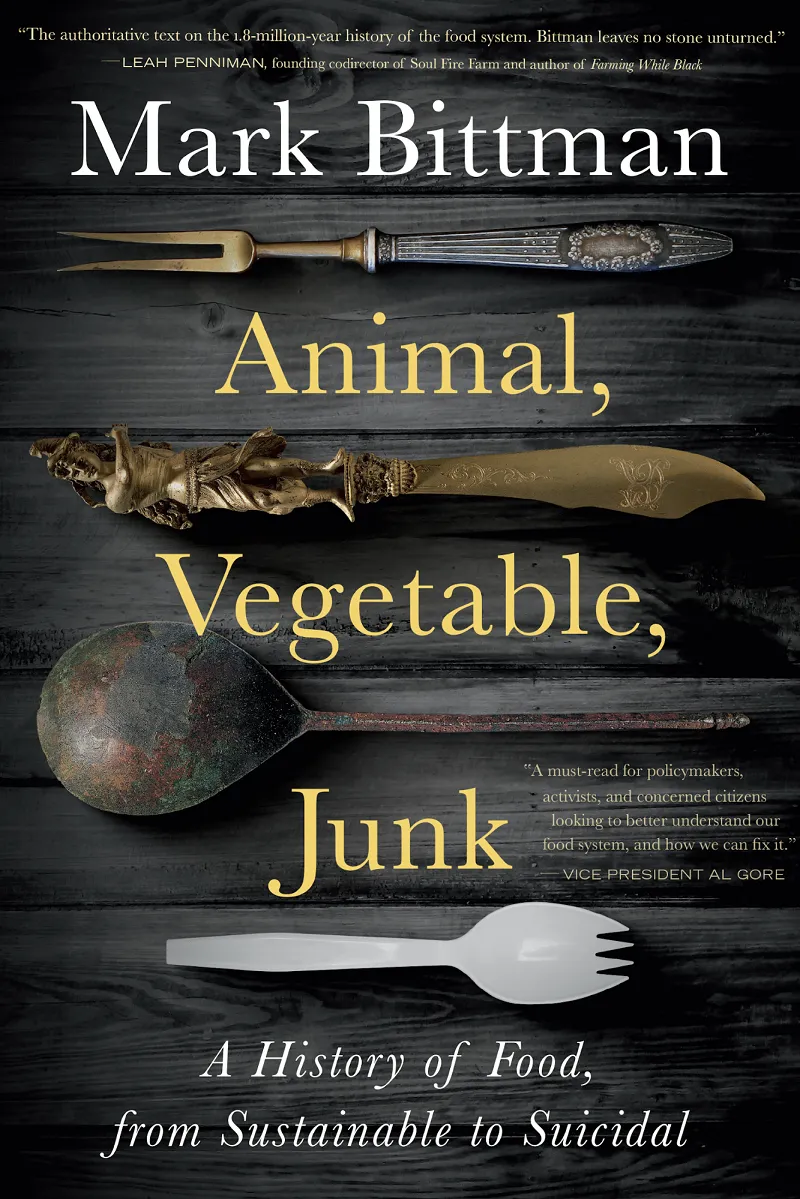
Image Books Animal, Vegetable, Junk: A History of Food This book uses food as a lens to explore the history of human development. It explores the links between food and exploration, colonialism, slavery and capitalism, as well as the environmental implications of current industrialised food systems. Read
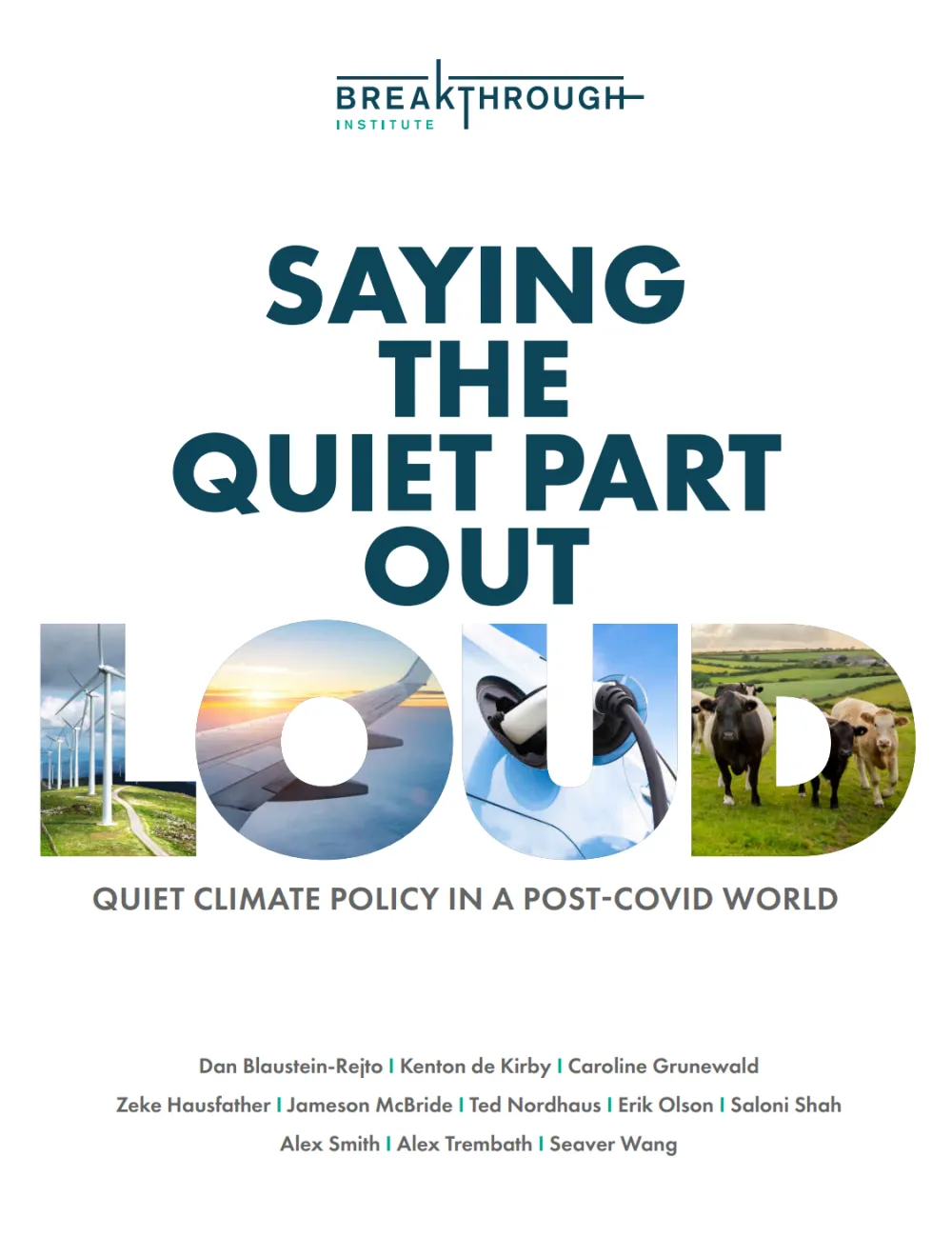
Image Reports Quiet climate policy in a post-COVID world This report, from the US think tank The Breakthrough Institute, sets out policy options for the US government to decarbonise the economy despite a polarised political climate, focusing on the energy, transport and agriculture sectors. Read
Image Reports A 10+13 agroecology approach for the EU This policy paper from the European Environmental Bureau (a network of environmental citizens' organisations) sets out a proposal for mainstreaming agroecology within the policies that govern food systems in the European Union. The paper defines agroecology as a paradigm shift that encompasses approaches such as organic and regenerative farming. Read
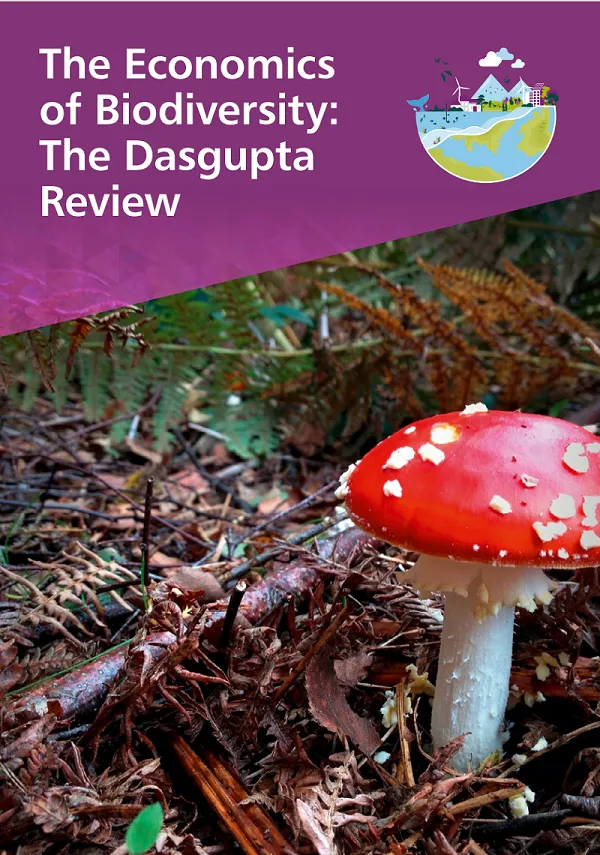
Image Reports The Economics of Biodiversity: The Dasgupta Review The UK Government has published the final report of the Independent Review on the Economics of Biodiversity, led by Professor Sir Partha Dasgupta of the University of Cambridge. The review sets out a new framework for how we should account for nature in economics and policy. Read
Image Journal articles Letter to the editor: Meat market failure Table member Dominic Moran has written a letter to the editor of the journal Nature Food. In it, he argues that the debate on livestock production and consumption ought to be viewed through the lens of market failure (that is, a situation in which the incentives that influence individual behaviour lead to a suboptimal outcome for society at large) and externalities (costs or benefits produced by a transaction that affect people other than the buyer and seller). Moran concludes that assessing the extent of market failure in the livestock sector can help governments to decide to what extent to intervene. Read
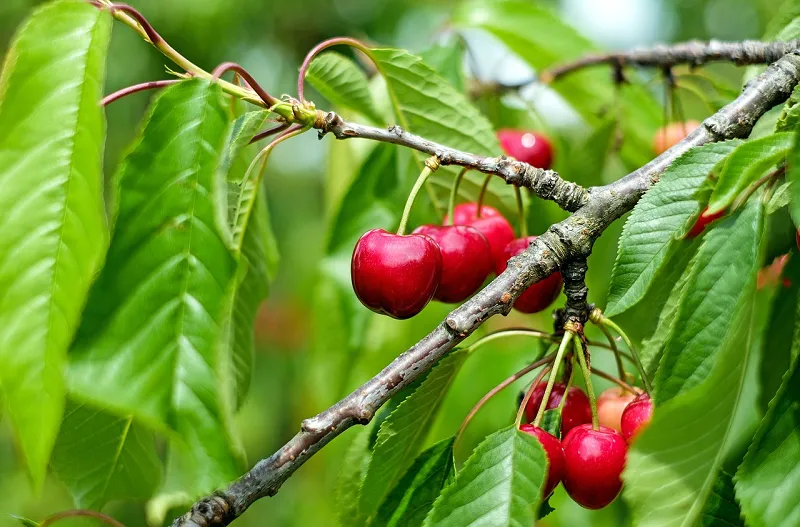
Image Journal articles Pest management practices depend on who advises farmers This paper finds that the pest management choices of farmers in Switzerland depend on whether they are advised by public or private extension services (i.e. providers of technical information to farmers). In a survey of 733 Swiss fruit growers dealing with fruit fly infestations, those advised by public extension services were 9-10% more likely to use preventative measures such as nets, while those advised by private extension services were 8-9% more likely to use synthetic insecticides. Read