Image Resources Our extensive research library contains thousands of summaries of journal articles, reports and news stories that can be searched by keyword and category RESOURCES CATEGORYBooksBriefing paperEvent recordingFeatured articlesFeatured reportGameJournal articlesNews and resourcesReportsThink pieceVideoWorking paperWorkshop summary YEAR201220132014201520162017201820192020202120222023202420252026 Image News and resources Blog: English rewilding projects provide jobs According to this blog post by UK charity Rewilding Britain, a survey of 23 English rewilding projects shows that job opportunities on the rewilding sites increased 47% and volunteering opportunities increased nine-fold, compared to before the rewilding projects began. New job roles focused on nature-based tourism, restoration activities, informal recreation, livestock management and education. Read Image News and resources Civil society groups to boycott UN Food Systems Summit According to this story in the Guardian newspaper, hundreds of farming and human rights groups are planning to boycott the United Nations Food Systems Summit, which is due to take place in September 2021. The Civil Society and Indigenous Peoples’ Mechanism, which represents civil society organisations working on food security, has raised concerns that the Summit may be too strongly influenced by corporate interests, lacks sufficient emphasis on human rights, and underestimates the extent to which food systems must be transformed. The Mechanism intends to set up alternative talks to run in parallel with the Summit. Read Image News and resources Podcast: Luke Spajic interviews Dr Tara Garnett In this episode of the Climate Proof-Food Podcast, food system research student Luke Spajic interviews Table’s Dr Tara Garnett on the history of research about food’s contribution to climate change, the EAT-Lancet Commission, contestation around livestock’s environmental impacts and three common perspectives on what to do about it, and what constitutes a healthy and sustainable diet. Read Image Books Resourcing an agroecological urbanism This book makes the case for an “agroecological urbanism” (urbanism is the study of how people who live in cities and towns interact with the built environment). Chapters cover the foundations of agroecological urbanism, activist methodologies, decolonisation and decommodification of the food system, soil contaminants, urban agroforestry, post-capitalist food sovereignty, and case studies from Italy, Belgium, Mexico, Nicaragua and England. Read Image Books Food in a changing climate This book examines the challenges of adapting the food system to a changing climate. Arguing that corporate food production has colonial origins, it makes the case for “deep adaptation” and rejuvenating local and regional food systems. Read Image Reports Making better policies for food systems This report from the Organisation for Economic Cooperation and Development (OECD) examines three questions: how have food systems performed to date and what role did policies play? How can policy makers design coherent policies across the triple challenge of providing food security, livelihoods and environmental protection? How should policymakers treat the facts, interests, and values that often complicate the task of achieving better policies? It also presents case studies on the seed sector, ruminant livestock and processed foods. Read Image Reports Citizen science and food - A review This report for the UK’s Food Standards Agency (FSA), co-authored by Table member Christian Reynolds, reviews how citizen science methods can be applied to food policy. Citizen science means actively involving citizens and communities in collecting data and creating new knowledge. Read Image Reports UNEP Food Waste Index Report 2021 Table member Tom Quested has co-authored this report for the United Nations Environment Programme. The report presents up-to-date and comprehensive estimates of food waste around the world, based on the collation of a large number of national estimates of food waste. It also presents a methodology for countries to measure food waste consistently. The report focuses on waste from households, food service and retail. Read Image Journal articles Artificial intelligence to explore recipe nutrition & sustainability This perspective article, co-authored by several Table members including Christian Reynolds, discusses the possibilities and challenges of using natural language processing and artificial intelligence to assess the nutritional and sustainability characteristics of recipes. The authors conclude that an interdisciplinary approach is necessary, combining artificial intelligence with expert domain knowledge. Read VIEW MORE
Image News and resources Blog: English rewilding projects provide jobs According to this blog post by UK charity Rewilding Britain, a survey of 23 English rewilding projects shows that job opportunities on the rewilding sites increased 47% and volunteering opportunities increased nine-fold, compared to before the rewilding projects began. New job roles focused on nature-based tourism, restoration activities, informal recreation, livestock management and education. Read
Image News and resources Civil society groups to boycott UN Food Systems Summit According to this story in the Guardian newspaper, hundreds of farming and human rights groups are planning to boycott the United Nations Food Systems Summit, which is due to take place in September 2021. The Civil Society and Indigenous Peoples’ Mechanism, which represents civil society organisations working on food security, has raised concerns that the Summit may be too strongly influenced by corporate interests, lacks sufficient emphasis on human rights, and underestimates the extent to which food systems must be transformed. The Mechanism intends to set up alternative talks to run in parallel with the Summit. Read
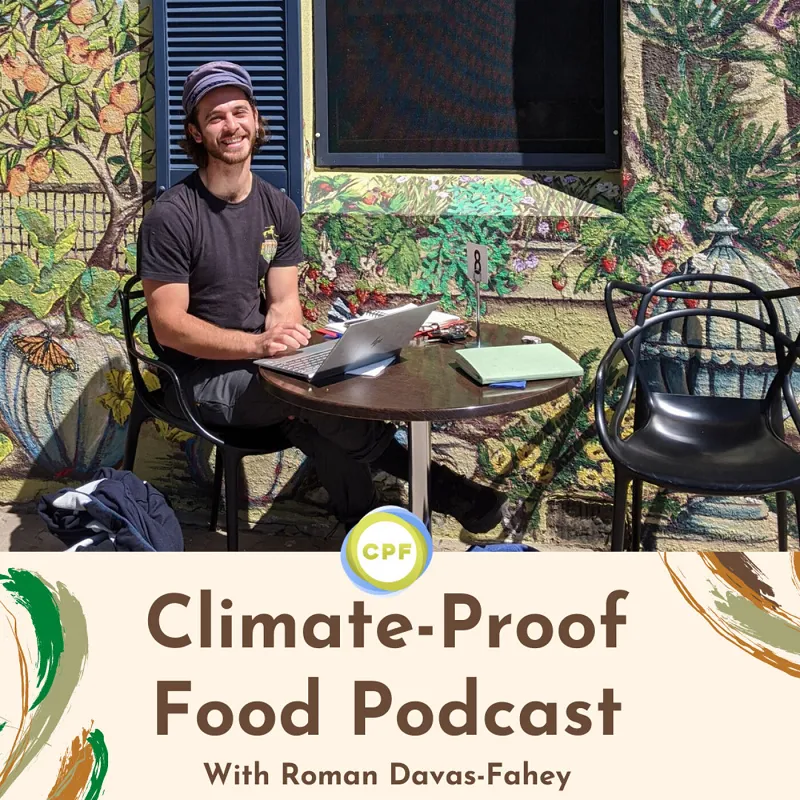
Image News and resources Podcast: Luke Spajic interviews Dr Tara Garnett In this episode of the Climate Proof-Food Podcast, food system research student Luke Spajic interviews Table’s Dr Tara Garnett on the history of research about food’s contribution to climate change, the EAT-Lancet Commission, contestation around livestock’s environmental impacts and three common perspectives on what to do about it, and what constitutes a healthy and sustainable diet. Read
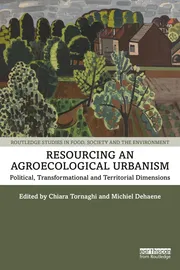
Image Books Resourcing an agroecological urbanism This book makes the case for an “agroecological urbanism” (urbanism is the study of how people who live in cities and towns interact with the built environment). Chapters cover the foundations of agroecological urbanism, activist methodologies, decolonisation and decommodification of the food system, soil contaminants, urban agroforestry, post-capitalist food sovereignty, and case studies from Italy, Belgium, Mexico, Nicaragua and England. Read
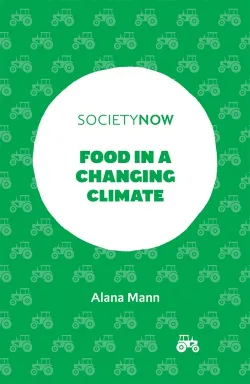
Image Books Food in a changing climate This book examines the challenges of adapting the food system to a changing climate. Arguing that corporate food production has colonial origins, it makes the case for “deep adaptation” and rejuvenating local and regional food systems. Read
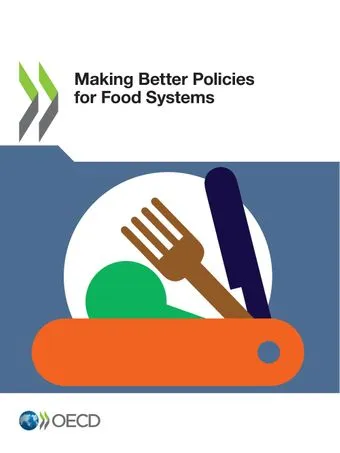
Image Reports Making better policies for food systems This report from the Organisation for Economic Cooperation and Development (OECD) examines three questions: how have food systems performed to date and what role did policies play? How can policy makers design coherent policies across the triple challenge of providing food security, livelihoods and environmental protection? How should policymakers treat the facts, interests, and values that often complicate the task of achieving better policies? It also presents case studies on the seed sector, ruminant livestock and processed foods. Read
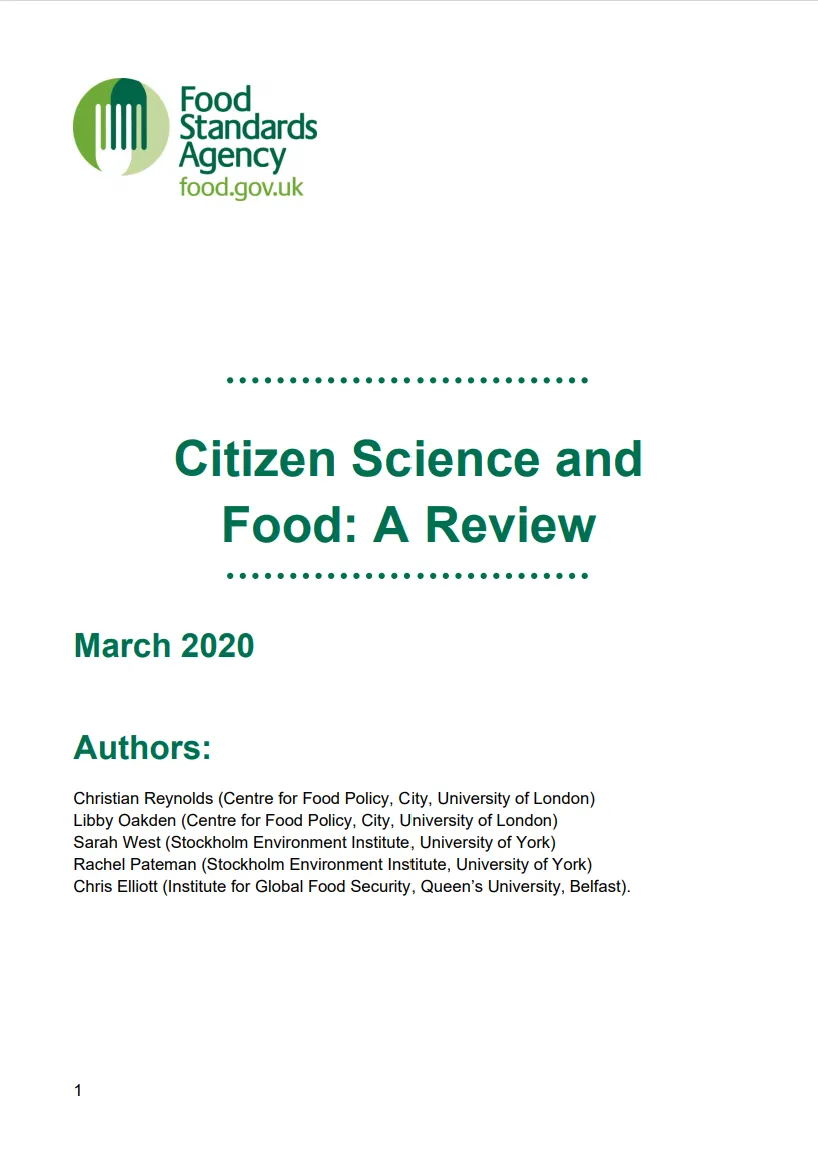
Image Reports Citizen science and food - A review This report for the UK’s Food Standards Agency (FSA), co-authored by Table member Christian Reynolds, reviews how citizen science methods can be applied to food policy. Citizen science means actively involving citizens and communities in collecting data and creating new knowledge. Read
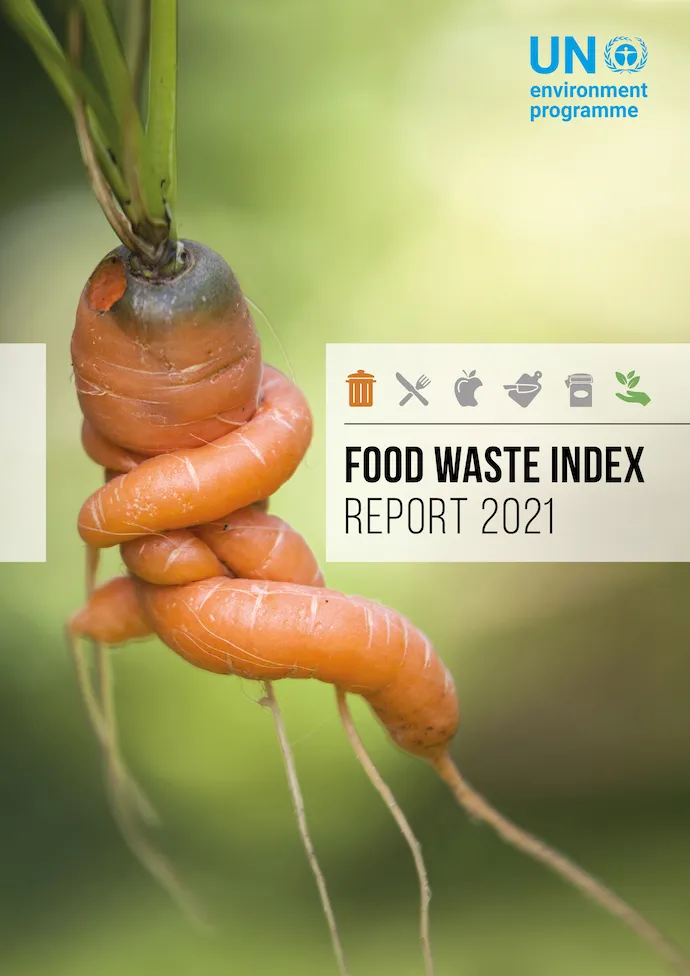
Image Reports UNEP Food Waste Index Report 2021 Table member Tom Quested has co-authored this report for the United Nations Environment Programme. The report presents up-to-date and comprehensive estimates of food waste around the world, based on the collation of a large number of national estimates of food waste. It also presents a methodology for countries to measure food waste consistently. The report focuses on waste from households, food service and retail. Read
Image Journal articles Artificial intelligence to explore recipe nutrition & sustainability This perspective article, co-authored by several Table members including Christian Reynolds, discusses the possibilities and challenges of using natural language processing and artificial intelligence to assess the nutritional and sustainability characteristics of recipes. The authors conclude that an interdisciplinary approach is necessary, combining artificial intelligence with expert domain knowledge. Read